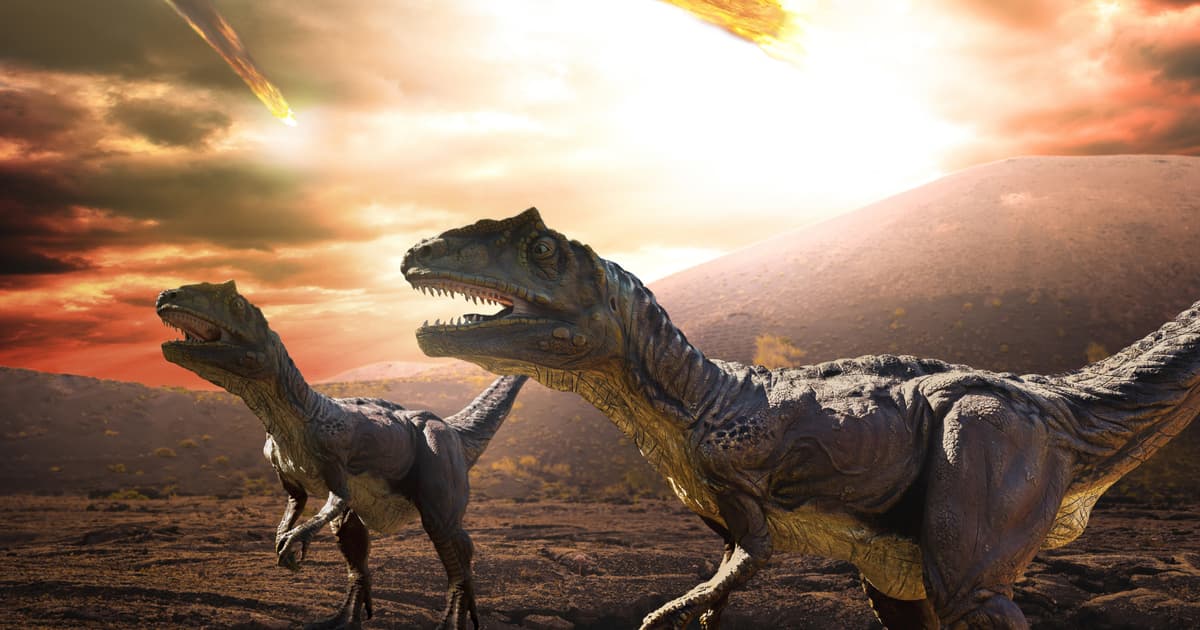
The Asteroid that Ended the Dinosaurs Struck What Is Now Mexico with Such Force that It Blasted Molten Ejecta High Above the Atmosphere Before It Rained Back Down Across the Planet, and Many of the Survivors Were Small, Sheltered Creatures — Including Early Mammals on the Line that Would Eventually Lead to Us.
Why It Matters
Understanding the immediate heat‑pulse mortality filter reshapes how scientists view mass‑extinction dynamics and explains why tiny, sheltered mammals survived to give rise to modern mammals, including humans.
Key Takeaways
- •Chicxulub impact released energy millions of times larger than nuclear weapons
- •Immediate heat pulse incinerated exposed organisms within hours
- •Small, burrowing or aquatic animals had highest survival rates
- •Late‑Cretaceous mammals were mostly ground‑dwelling, non‑arboreal
- •Study suggests primate ancestors may have retained some arboreal habits
Pulse Analysis
The Chicxulub event remains the benchmark for planetary‑scale disruption. By ejecting vast quantities of molten material into sub‑orbital trajectories, the impact produced a brief but intense thermal wave that swept across the globe within hours. This "heat pulse" preceded the longer‑lasting impact winter and proved lethal to any organism lacking immediate shelter. Modern risk‑assessment models for asteroid threats now incorporate both the initial radiative blast and subsequent climatic fallout, underscoring the multi‑phase nature of such catastrophes.
Survival hinged on size and refuge. Small mammals, amphibians, and certain birds that could hide underground, underwater, or within burrows avoided the searing sky, while the massive, surface‑dwelling non‑avian dinosaurs could not. The pattern aligns with paleontological data showing a disproportionate survival of diminutive, ground‑associated taxa. A 2021 study refined this picture, revealing that most surviving mammals were non‑arboreal, though early primate and marsupial lineages may have retained enough flexibility to persist despite widespread forest loss. This nuanced view highlights how ecological versatility can buffer species against abrupt environmental shocks.
Debates continue over the relative contributions of the heat pulse versus the ensuing impact winter to the Cretaceous‑Paleogene extinction. Advances in high‑resolution impact modeling are sharpening estimates of ejecta distribution and re‑entry heating, while interdisciplinary research links these ancient events to modern concerns such as climate resilience and planetary defense. For investors and innovators in aerospace, geoscience, and climate‑tech, the Chicxulub case study offers a stark reminder: mitigation strategies must address both immediate and long‑term consequences of extraterrestrial hazards.
The asteroid that ended the dinosaurs struck what is now Mexico with such force that it blasted molten ejecta high above the atmosphere before it rained back down across the planet, and many of the survivors were small, sheltered creatures — including early mammals on the line that would eventually lead to us.
Comments
Want to join the conversation?
Loading comments...