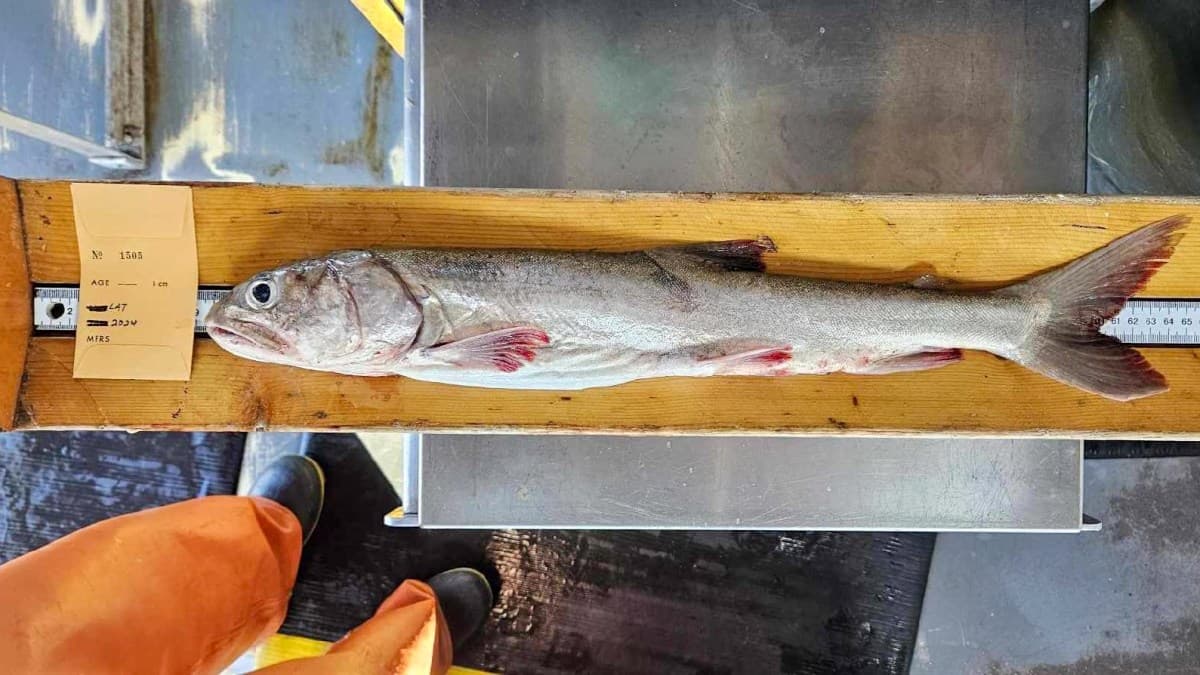
The Bizarre Rise of Lake Superior’s Deep Water ‘Zombie’ Trout
Why It Matters
The decline of siscowet trout jeopardizes the stability of Lake Superior’s deep‑water ecosystem and could reverse gains from recent lake‑trout restoration programs, affecting commercial and recreational fisheries.
Key Takeaways
- •Emaciated siscowet trout now make up ~30% of deep‑water catches
- •Fat loss compromises buoyancy, hindering vertical feeding migrations
- •Researchers suspect prey decline, disease, or mercury toxicity as drivers
- •Rising zombie trout could undermine recent lake‑trout recovery efforts
- •Deep‑water ecosystem resembles a desert, making it vulnerable to food‑web shifts
Pulse Analysis
Lake Superior’s siscowet lake trout have long been prized for their unusually high fat reserves, a trait that lets them thrive in the lake’s abyssal zones where pressure is extreme and food is scarce. Recent surveys by the Michigan Department of Natural Resources reveal a startling shift: a growing share of these deep‑dwelling predators are arriving at nets with half the normal body mass, earning the nickname “zombie” trout. This phenomenon is not merely a curiosity; it signals a fundamental alteration in the energy dynamics of the lake’s most isolated habitat.
Scientists are weighing several hypotheses to explain the rapid onset of emaciation. A decline in key prey species—such as deep‑water ciscoes—could starve the siscowet, while emerging pathogens might impair nutrient absorption. Elevated mercury concentrations detected in tissue samples raise the specter of toxin‑induced metabolic stress, and occasional sea‑lamprey bites, though historically tolerated, could exacerbate fat loss. Ongoing tagging studies and planned June expeditions aim to isolate the primary driver, recognizing that any single factor may be amplified by the lake’s tightly coupled food web.
The stakes extend beyond academic interest. Siscowet trout are a cornerstone of the Great Lakes fishery, and their health underpins both commercial harvests and a burgeoning sport‑fishing market that has rebounded after years of decline. If the zombie trend persists, it could erode the recent “fully recovered” status declared by the Great Lakes Fishery Commission, prompting stricter regulations and costly remediation efforts. Continuous monitoring, adaptive management, and cross‑border research collaborations will be essential to safeguard Lake Superior’s deep‑water ecosystem and the economic activity it supports.
The Bizarre Rise of Lake Superior’s Deep Water ‘Zombie’ Trout
Comments
Want to join the conversation?
Loading comments...