Why It Matters
The findings reveal a natural model of extreme longevity and sustained vigor, offering clues for aging research that could inform human health strategies. Understanding Heliconius’s pollen‑based metabolism may inspire novel dietary or biochemical interventions.
Key Takeaways
- •Heliconius butterflies can live nearly a year, 25× longer than peers
- •Pollen supplementation preserves strength and reproductive output in aging adults
- •Removing pollen cuts Heliconius lifespan by about 25%
- •Dryas butterflies gain no longevity benefit from added pollen
Pulse Analysis
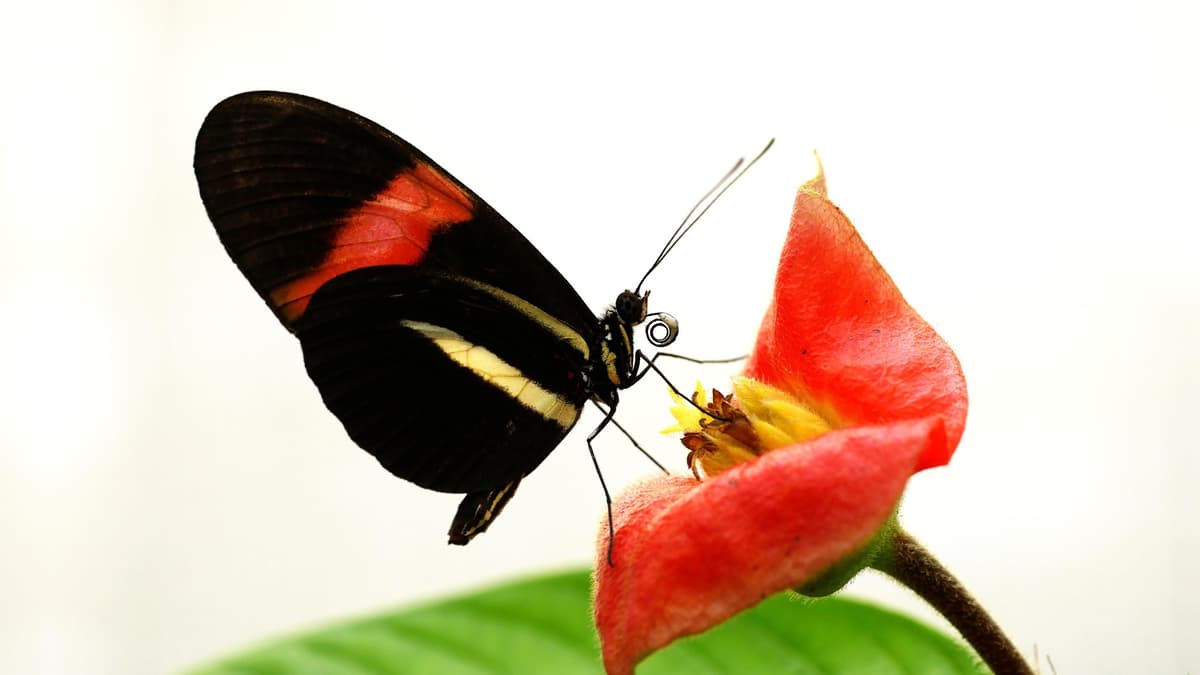
The discovery that Heliconius butterflies achieve multi‑month lifespans by supplementing sugary nectar with protein‑dense pollen reshapes our view of insect aging. Most butterflies die within weeks after emergence, yet Heliconius individuals can persist for up to twelve months, maintaining muscle function and egg production. Researchers at Tufts University demonstrated that pollen deprivation accelerates weight loss and reduces longevity by roughly a quarter, underscoring the diet’s central role. This longevity diet is not merely extra calories; it provides essential amino acids and fats that appear to support cellular repair mechanisms absent in short‑lived species.
Comparative experiments further highlight the specificity of the Heliconius adaptation. When scientists spiked the sugar water of Dryas butterflies—a close relative that typically lives only weeks—with pollen, the lifespan remained unchanged, and the insects continued to lose weight and strength. The disparity suggests that Heliconius has evolved specialized digestive enzymes and neural circuitry for pollen processing, including enlarged brain regions for memory and foraging. Their proboscis can mechanically break tough pollen walls, a feat rarely seen in Lepidoptera. These physiological innovations likely enable efficient nutrient extraction, fueling prolonged vitality.
The broader implications extend beyond entomology. Longevity research has long sought natural models that resist typical senescence, from naked‑mole rats to bowhead whales. Heliconius adds a new dimension: a diet‑driven, species‑specific strategy that preserves function without apparent trade‑offs in reproduction. While the exact molecular pathways remain unknown, the study invites cross‑disciplinary exploration into how protein‑rich, fat‑laden diets influence DNA repair, metabolic rate, and immune modulation. For biotech and pharmaceutical sectors, the butterfly’s “longevity diet” could inspire nutraceutical designs or gene‑targeted therapies aimed at extending healthy human lifespan.
The Butterfly Longevity Diet
Comments
Want to join the conversation?
Loading comments...