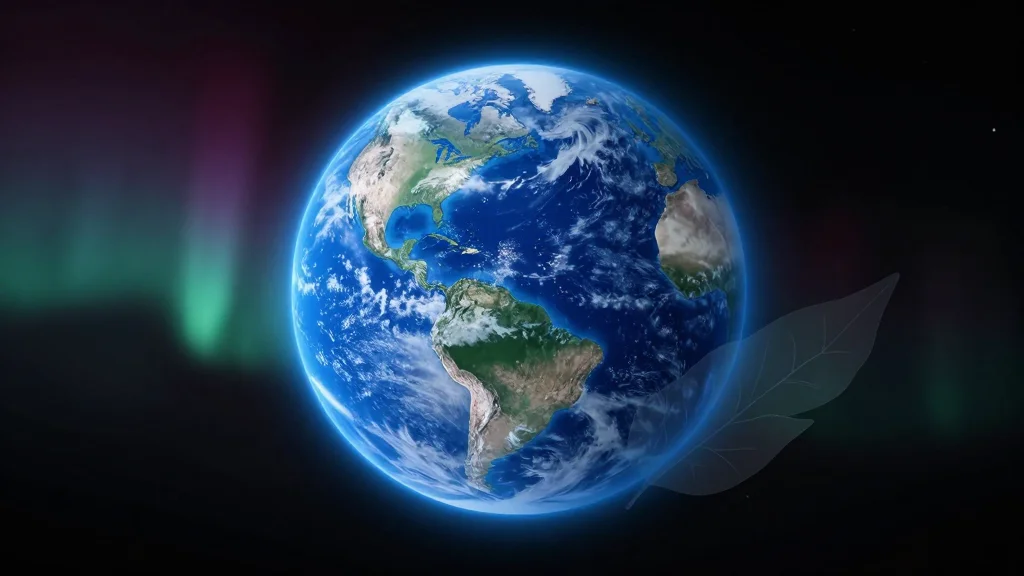
The Climate Issue: The Blue Marble, Then and Now
Why It Matters
Powerful Earth imagery translates abstract climate data into a tangible, emotional narrative, accelerating public support for sustainability policies. The renewed Artemis II photos reinforce the visual catalyst that drives collective climate action.
Key Takeaways
- •Artemis II astronauts captured fresh “blue marble” photos this week.
- •Earth images have spurred environmental activism for over five decades.
- •Stewart Brand foresaw global consciousness shift after seeing whole‑Earth view.
- •Iconic space photos reinforce urgency of climate mitigation efforts.
- •Visuals of Earth help unify public support for climate policies.
Pulse Analysis
The tradition of photographing Earth from orbit began in the 1960s, when the first full‑disk images sparked a cultural shift. Stewart Brand, a key figure in the countercultural movement, argued that seeing the planet as a fragile, isolated sphere would reshape humanity’s self‑image. Decades later, the “blue marble” became a rallying symbol for the emerging environmental movement, appearing on protest signs, policy briefs, and educational curricula, cementing a visual shorthand for planetary stewardship.
Fast‑forward to April 2026, the Artemis II crew’s fresh Earth shots have reignited that same spark. Modern high‑resolution cameras capture unprecedented detail—cloud dynamics, oceanic patterns, and urban footprints—offering scientists and communicators richer data to illustrate climate trends. By pairing scientific insight with striking visuals, these images bridge the gap between complex climate models and everyday understanding, making the urgency of rising temperatures and sea‑level rise more palpable for a broad audience.
The impact of such imagery extends beyond awareness; it influences policy discourse and funding priorities. Legislators often cite the “blue marble” when framing climate legislation, leveraging its emotional resonance to justify ambitious mitigation targets. As space missions become more frequent, the steady stream of Earth photographs will likely deepen public engagement, fostering a shared sense of responsibility that transcends borders. In an era where visual storytelling drives social change, the continued evolution of Earth‑from‑space photography remains a vital tool for galvanizing global climate action.
The Climate Issue: The blue marble, then and now
Comments
Want to join the conversation?
Loading comments...