The Creepiest Ocean Discoveries: Pyramids, Monster Squid, and a Deafening ‘Bloop’
Why It Matters
Unexplored marine zones hold untapped resources, climate data, and biotech potential, making these discoveries a catalyst for investment in oceanic research and technology. Understanding such phenomena can reshape sectors from renewable energy to tourism.
Key Takeaways
- •Giant squid footage captured by NOAA and Japanese fishermen in 2019
- •Baltic Sea Anomaly resembles UFO but likely natural rock formation
- •1997 “Bloop” sound traced to Antarctic iceberg collapse
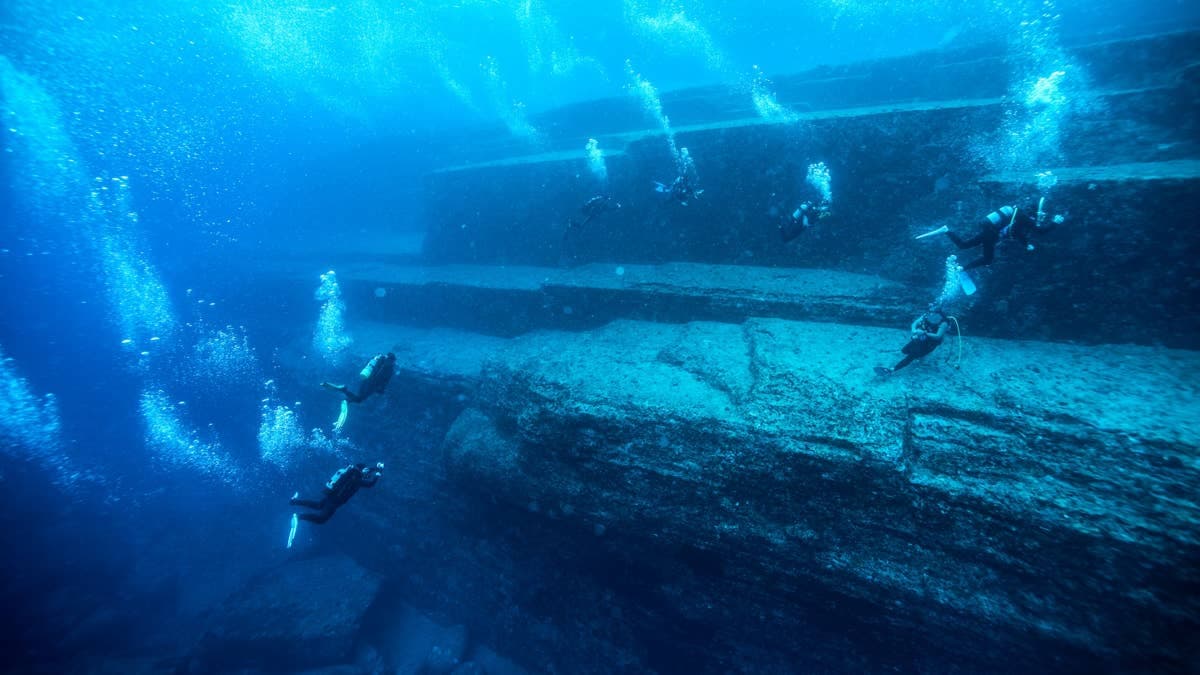
- •Yonaguni Monument's pyramid-like structures spark debate over origins
- •Less than 30% of seafloor mapped, leaving vast unknown
Pulse Analysis
The ocean’s uncharted expanse represents both a scientific blind spot and a strategic opportunity. While satellite imaging and autonomous underwater vehicles have accelerated seafloor mapping, the fact that over 70% remains unseen limits our grasp of marine biodiversity, mineral deposits, and carbon sequestration pathways. Companies in renewable energy, deep‑sea mining, and climate analytics are watching these gaps closely, as new data can unlock lucrative extraction rights and inform sustainable practices.
Recent high‑profile sightings—such as the 2019 giant squid recordings and the resolution of the "Bloop" mystery—highlight how advanced sensing technologies are turning myth into measurable fact. The Baltic Sea Anomaly and Yonaguni Monument, though often sensationalized, illustrate the need for rigorous geological surveys to differentiate between natural formations and potential archaeological sites, which can drive niche tourism and heritage funding. Moreover, these discoveries stimulate public interest, prompting private capital to flow into ocean‑focused startups developing AI‑driven sonar, submersible drones, and real‑time data platforms.
Looking ahead, the convergence of AI, robotics, and high‑resolution mapping promises to shrink the unknown oceanic frontier dramatically within the next decade. Investors should monitor government grants, such as NOAA’s research initiatives, and partnerships between tech firms and marine institutes. As the industry matures, the ability to locate and responsibly exploit deep‑sea resources will become a competitive differentiator, positioning early adopters at the forefront of the next wave of blue‑economy growth.
The Creepiest Ocean Discoveries: Pyramids, Monster Squid, and a Deafening ‘Bloop’
Comments
Want to join the conversation?
Loading comments...