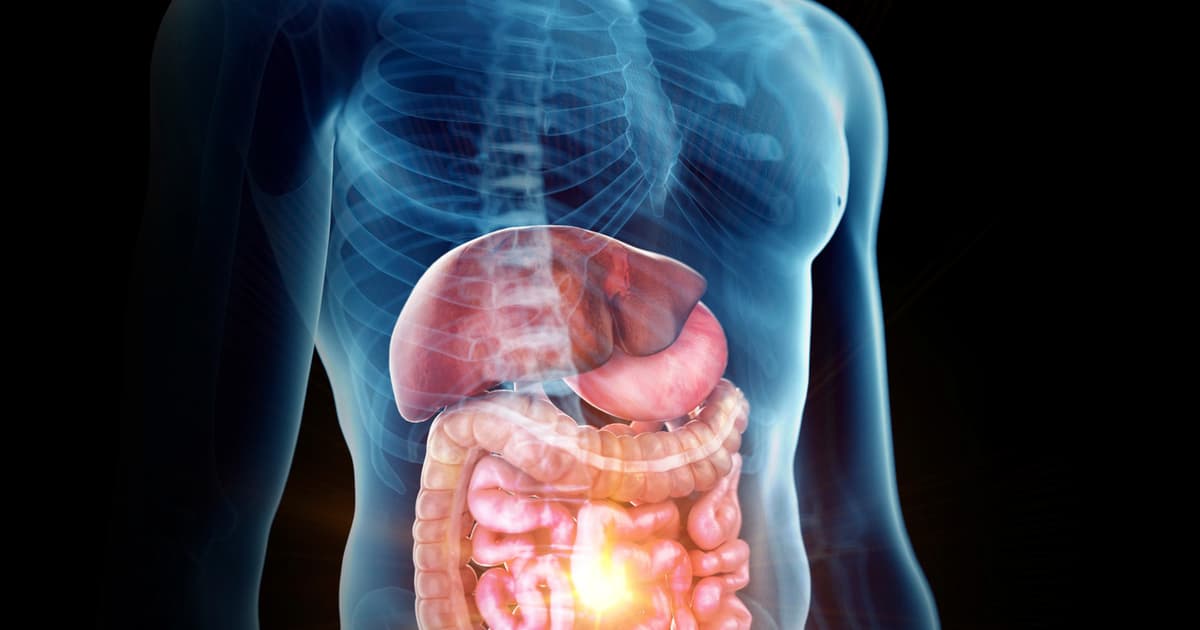
The Deepest Part of the Human Gut Contains a Peripheral Nervous System of About 500 Million Neurons — More than the Spinal Cord — Operating with Enough Independence that Researchers Sometimes Call It the “Second Brain,” And the Body’s Emotional Responses Are Frequently Well Underway in the Gut Before the Conscious Mind Has Been Informed About Whatever It Is Responding To
Why It Matters
Understanding the ENS reshapes how we view mood disorders and gastrointestinal health, opening new avenues for treatments that target the gut‑brain axis.
Key Takeaways
- •Enteric nervous system holds ~500 million neurons, outnumbering spinal cord.
- •Gut produces ~95% of the body’s serotonin, affecting mood regulation.
- •ENS operates autonomously, managing digestion without brain input.
- •Vagus nerve provides bidirectional gut‑brain communication, gut signals dominate.
- •“Gut feelings” reflect real biochemical responses preceding conscious awareness.
Pulse Analysis
The enteric nervous system (ENS) has emerged as a formidable neural network rivaling the brain in sheer size and complexity. With an estimated 500 million neurons embedded in the gastrointestinal tract, the ENS surpasses the spinal cord’s neuronal count fivefold. Its architecture—two layered plexuses capable of local processing—allows it to orchestrate peristalsis, enzyme secretion, and vascular regulation independently of central oversight. This autonomy justifies the long‑standing moniker “second brain” and challenges the traditional view that cognition resides solely in the skull.
Beyond mechanical control, the ENS is a biochemical powerhouse. Approximately 95% of the body’s serotonin originates in the gut, where it modulates not only motility but also mood and immune responses. Coupled with microbial metabolites such as short‑chain fatty acids and neuroactive compounds, these signals travel to the brain via the vagus nerve and bloodstream, shaping affective states before the cortex becomes aware. Emerging research links dysbiosis and altered ENS signaling to anxiety, depression, and irritable bowel syndrome, underscoring the gut‑brain axis as a critical frontier in mental‑health science.
Clinically, recognizing the ENS’s influence prompts a paradigm shift in therapeutic design. Interventions ranging from targeted probiotics to neuromodulation of vagal pathways aim to recalibrate gut‑derived neurotransmission, offering alternatives to conventional psychiatric drugs. Moreover, biomarkers derived from ENS activity could enable early detection of mood disorders. As scientists decode this distributed nervous system, the notion of a unified, brain‑centric self gives way to a more nuanced model where the gut plays an active, sometimes leading, role in emotional experience.
The deepest part of the human gut contains a peripheral nervous system of about 500 million neurons — more than the spinal cord — operating with enough independence that researchers sometimes call it the “second brain,” and the body’s emotional responses are frequently well underway in the gut before the conscious mind has been informed about whatever it is responding to
Comments
Want to join the conversation?
Loading comments...