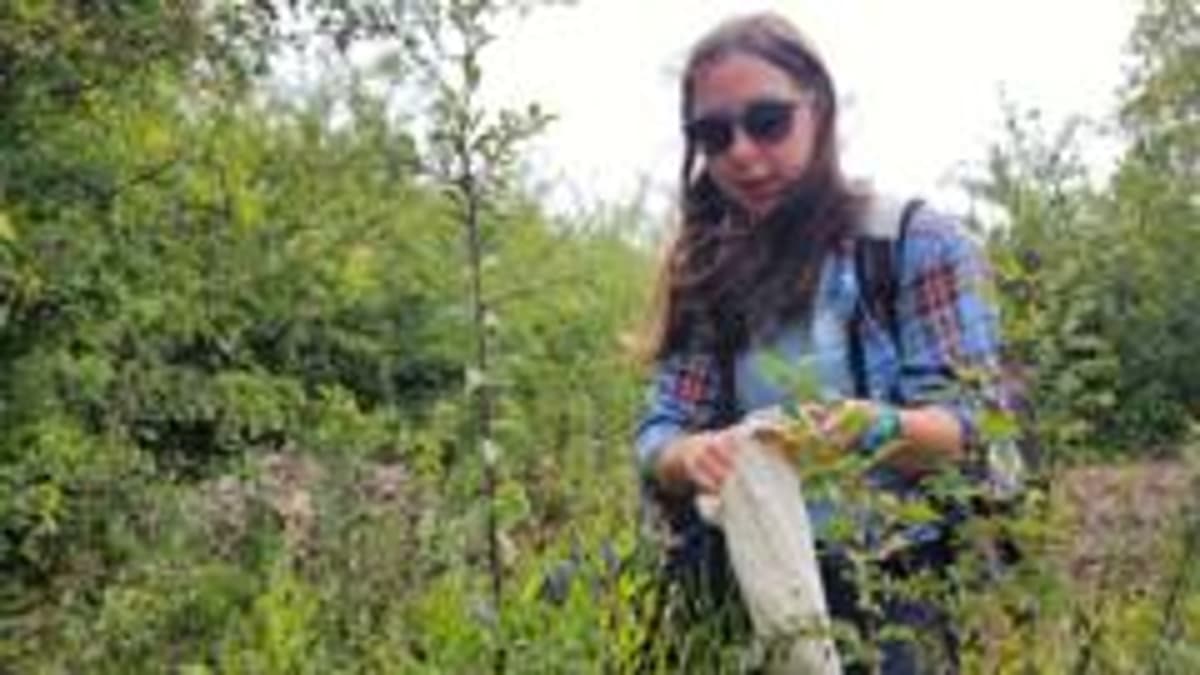
The Doomsday Seed Collectors Fighting to Save Wales' Native Species
Why It Matters
Preserving native seed diversity protects Wales' unique flora and underpins ecosystem resilience, food security, and climate adaptation. The seed bank provides a critical safety net against local extinctions and broader environmental shocks.
Key Takeaways
- •Only 11% of Wales' 15,000 plant species are banked
- •Seed bank stored 5 million seeds, half in Millennium Vault
- •Recent success: restored Shore Dock after landslide extinction
- •Goal: 100 collections from SSSI sites over next two years
- •Wild crop relatives may hold disease‑resistant genes for agriculture
Pulse Analysis
Seed banks have become a cornerstone of global biodiversity strategy, offering a genetic insurance policy against habitat loss, climate change, and catastrophic events. Wales’ effort, launched in 2018 after the Millennium Seed Bank flagged that three‑quarters of its flora remained unprotected, now holds more than five million seeds. By splitting collections between a sub‑zero vault in Sussex and state‑of‑the‑art freezers at the National Botanic Gardens, the program aligns with international best practices and ensures redundancy against floods, fires, or radiation exposure.
Collecting wild seeds is a race against phenology and geography. Baker and McGinn must pinpoint precise flowering windows that can last mere days, often traveling across rugged terrain to locate viable populations. Their work highlights the pervasive issue of "plant blindness," where the public undervalues the ecosystem services plants provide—pollination, soil health, and flood mitigation. Successful restoration of Shore Dock after a landslide demonstrates how timely seed banking can reverse local extinctions, preserving not just plant species but the insects and microbes that depend on them.
Looking ahead, the Welsh seed bank’s focus on wild relatives of crops such as lettuce, quinoa, and alfalfa could unlock genetic traits for pest resistance and climate tolerance, feeding directly into sustainable agriculture goals. With a target of 100 targeted collections from Sites of Special Scientific Interest within two years, the initiative positions Wales as a model for regional seed conservation. Policymakers and investors are watching, as the tangible benefits—enhanced food security, resilient ecosystems, and potential pharmaceutical discoveries—underscore the strategic value of protecting plant genetic diversity.
The doomsday seed collectors fighting to save Wales' native species
Comments
Want to join the conversation?
Loading comments...