The Download: The North Pole’s Future and Humanoid Data
Why It Matters
Understanding the Arctic’s past informs projections of future sea‑level rise, and the surge in humanoid‑training data underscores privacy and safety challenges as AI becomes more embodied. The record AI spending and policy push signal a pivotal shift in how tech firms allocate capital and navigate regulation.
Key Takeaways
- •Arctic seabed cores may reveal if the ocean was ever ice‑free
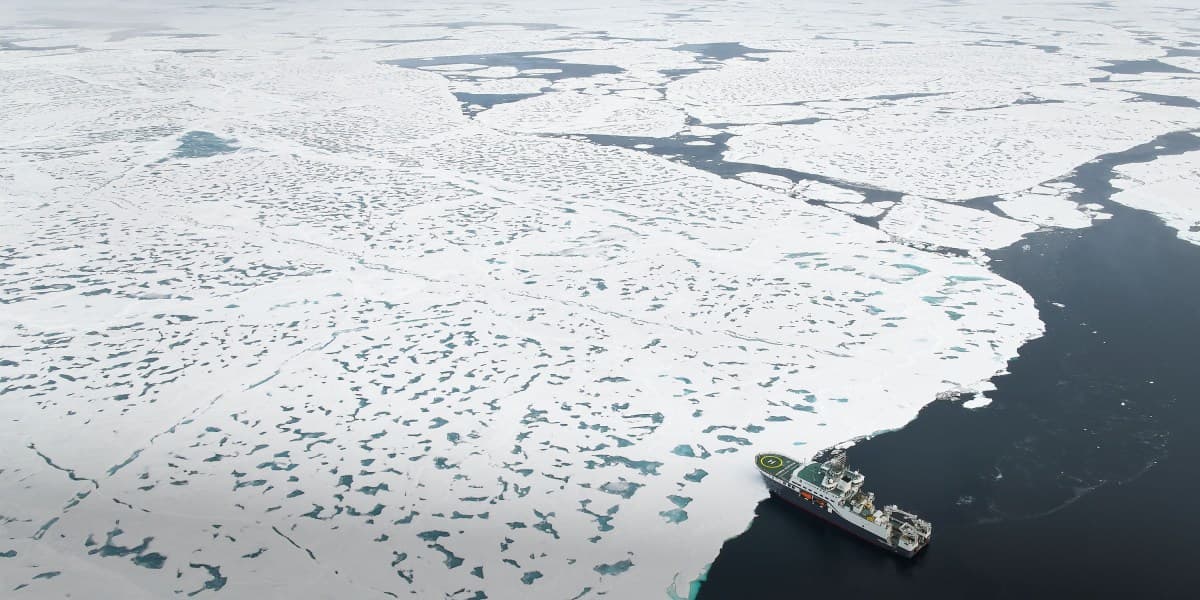
- •Open water routes this year signal accelerating Arctic melt
- •Companies are crowdsourcing everyday motions to train humanoid robots
- •AI giants' Q1 spend up 71% YoY, fueling data‑center expansion
- •U.S. regulators scrutinize Anthropic’s Mythos model over cyber‑risk concerns
Pulse Analysis
The Arctic’s shifting ice cover is no longer a distant curiosity; it is a measurable signal of climate acceleration. By extracting sediment cores from the ocean floor, researchers hope to reconstruct temperature and ice‑coverage histories that predate modern observations. Such data can refine sea‑level rise models, informing coastal planning and global mitigation strategies at a time when policymakers are scrambling to meet ambitious emissions targets.
Meanwhile, the race to build truly human‑like robots is being fueled by an unprecedented influx of everyday motion data. Companies are paying volunteers to film mundane tasks—pouring cereal, microwaving meals—or to remotely operate robotic arms, converting these recordings into training sets for machine‑learning algorithms. While this approach promises more adaptable and dexterous humanoids, it also raises questions about consent, data ownership, and the potential for surveillance‑grade datasets to be repurposed beyond their original intent.
The broader AI landscape reflects these technical ambitions with a stark financial surge: the four biggest cloud providers collectively increased AI‑related spending by 71% compared with the same quarter last year, largely to expand compute capacity for large‑scale models. At the same time, regulators in Washington are tightening scrutiny, exemplified by the White House’s objection to Anthropic’s Mythos model over perceived cyber‑risk. This convergence of massive capital inflows and heightened oversight suggests the industry is entering a phase where strategic investment decisions will be tightly coupled with compliance and ethical considerations, reshaping competitive dynamics for years to come.
The Download: the North Pole’s future and humanoid data
Comments
Want to join the conversation?
Loading comments...