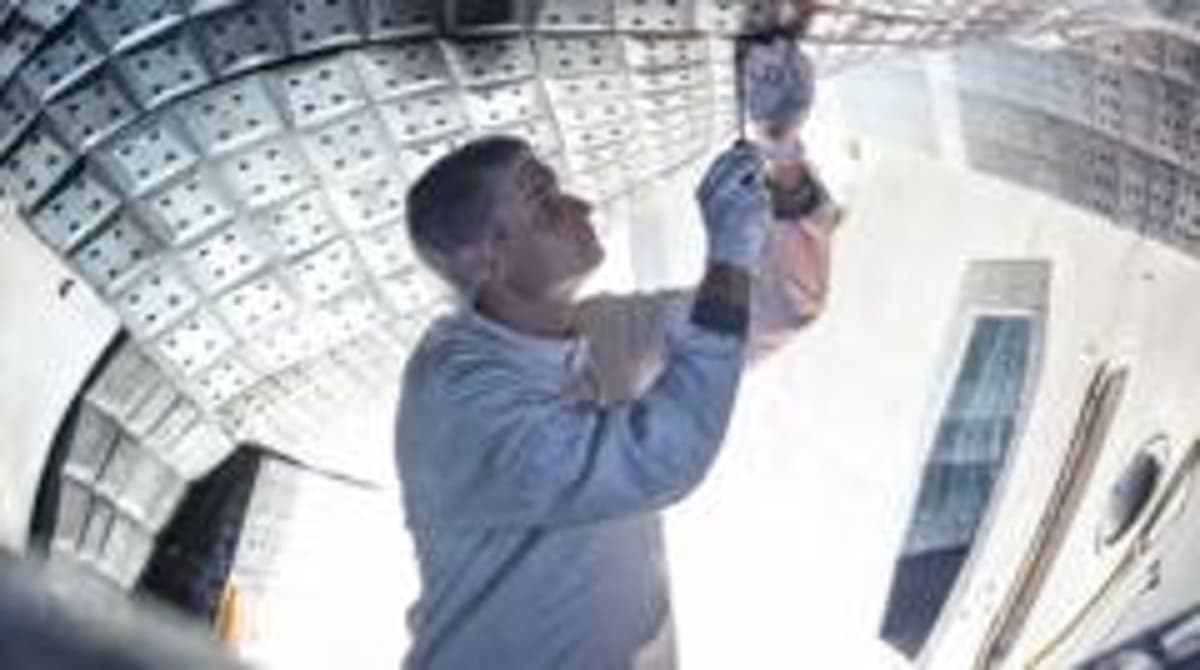
The 'Dumb Machine' Promising a Clean Energy Breakthrough
Companies Mentioned
Why It Matters
If Proxima succeeds, it could dramatically lower the cost and time to commercial fusion, accelerating the transition to abundant, carbon‑free electricity and reshaping the global energy landscape.
Key Takeaways
- •Proxima Fusion targets faster, cheaper tokamak magnet production.
- •Germany's 550k CNC machinists give manufacturing advantage over US.
- •Prototype coil to be tested next year; 40 more planned.
- •Alpha machine aims operational in ~3 years, far quicker than W7‑X.
- •Rapid magnet scaling crucial for commercial fusion power viability.
Pulse Analysis
Fusion energy remains the holy grail of clean power, promising limitless electricity without greenhouse‑gas emissions. While tokamaks have dominated research due to their relatively simple magnetic geometry, the high cost and long lead times of custom magnets have kept commercial deployment out of reach. Proxima Fusion’s "dumb machine" strategy flips the script by treating the reactor’s magnetic system as a mass‑manufacturable component, betting that precision CNC machining can deliver the intricate coil shapes at scale. This approach could bridge the gap between experimental plasma performance and the economics required for a viable power plant.
The crux of Proxima’s plan lies in manufacturing prowess. Germany boasts roughly 550,000 CNC machinists, far outpacing the United States' 350,000, and this skilled labor pool underpins the company’s confidence in rapid coil production. The prototype coil, slated for testing next year, incorporates a twisted geometry that rivals the most complex magnets ever built. If the test succeeds, Proxima intends to fabricate 40 additional coils within a few years, a timeline dramatically shorter than the 10‑plus years the W7‑X stellarator required to become operational. Such speed could attract capital and policy support eager for tangible fusion milestones.
Should Proxima achieve its aggressive schedule, the ripple effects could be profound. Lower‑cost, quickly deployable fusion reactors would challenge incumbent renewable technologies, offering baseload power without the intermittency of wind or solar. Investors would likely pour more funding into similar manufacturing‑centric fusion ventures, intensifying competition and accelerating innovation across the sector. Moreover, a successful demonstration could influence energy policy, prompting governments to allocate more resources toward fusion as a credible component of decarbonization strategies, ultimately reshaping the future energy mix.
The 'dumb machine' promising a clean energy breakthrough
Comments
Want to join the conversation?
Loading comments...