The Ebola Outbreak’s Central Mystery: Where Did This Virus Come From?
Why It Matters
Identifying the natural host of Bundibugyo is essential for stopping future Ebola spillovers and strengthening global health security. The current knowledge gap hampers targeted surveillance and vaccine deployment strategies.
Key Takeaways
- •Bundibugyo virus caused 1,114 cases in DRC outbreak
- •Outbreak ranks third‑largest Ebola epidemic in 50 years
- •Reservoir host for Bundibugyo remains unidentified
- •Scientists suspect animal origin but lack concrete data
- •Understanding reservoirs critical to preventing future spillovers
Pulse Analysis
The ongoing Ebola crisis in the Democratic Republic of Congo highlights a persistent blind spot in infectious‑disease research: the unknown reservoir of the Bundibugyo virus. While the outbreak’s scale—over a thousand confirmed infections and a mortality rate exceeding 25%—has drawn international attention, scientists remain unable to pinpoint the wildlife species that naturally harbor the pathogen. This gap limits the ability to implement preemptive measures such as targeted wildlife monitoring, habitat management, and community education, all of which are proven tools for curbing zoonotic spillover.
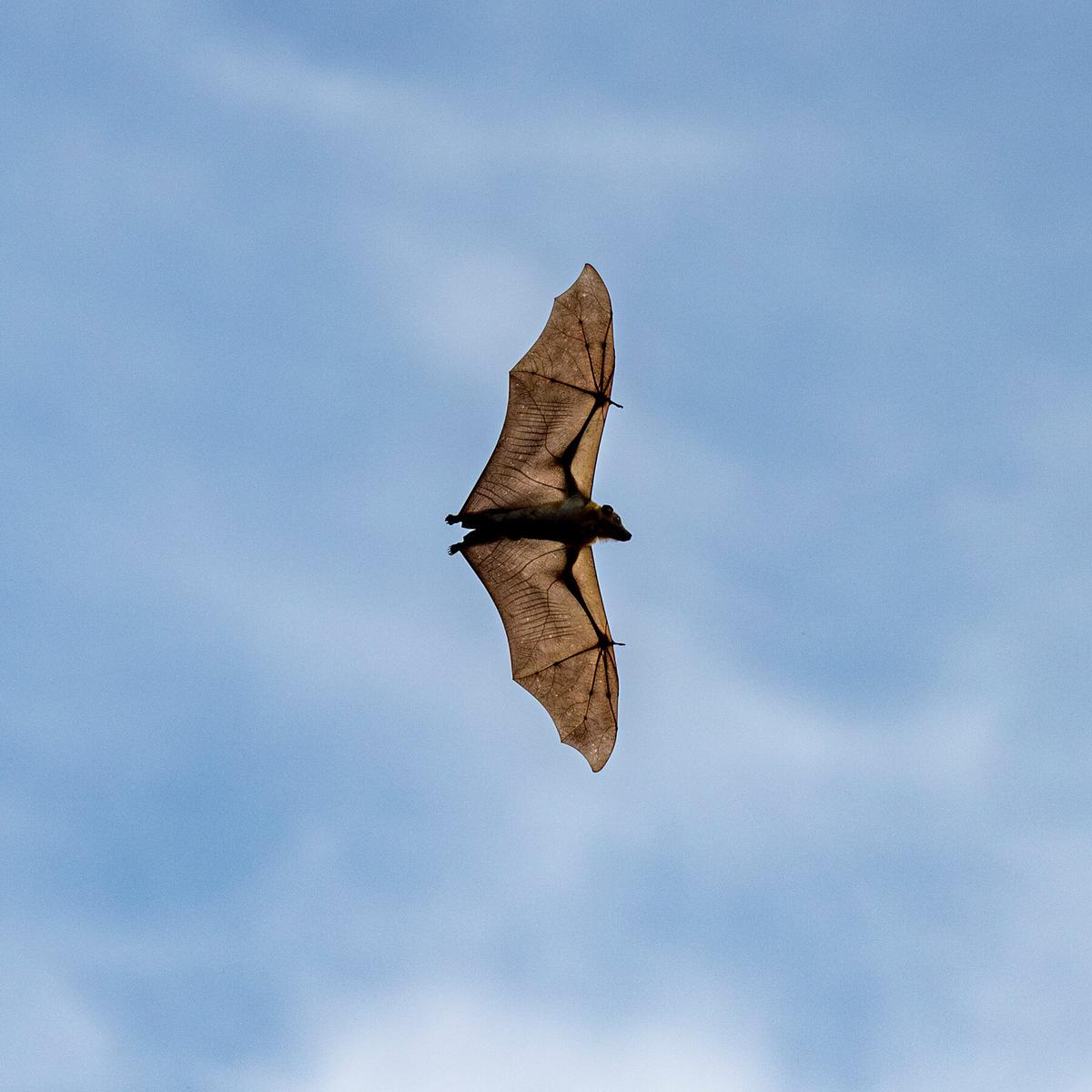
Historically, Ebola’s three known species have been linked to fruit bats, yet Bundibugyo’s ecological niche appears distinct, complicating traditional surveillance models. Recent genomic studies suggest the virus may circulate in a broader range of mammals, potentially including primates or small carnivores endemic to the Congo basin. Without concrete reservoir data, public‑health officials must rely on reactive strategies—contact tracing, quarantine, and emergency vaccination—rather than proactive containment. This reactive stance not only strains limited healthcare resources but also prolongs economic disruption in already vulnerable regions.
The broader implication for global health is clear: as climate change and habitat encroachment increase human‑wildlife interactions, the probability of novel spillovers rises. Investing in multidisciplinary field research, bolstering One Health collaborations, and expanding pathogen‑sampling networks are critical steps to fill the Bundibugyo knowledge gap. By doing so, the international community can move from crisis response to prevention, safeguarding both local populations and the global economy from future Ebola‑type pandemics.
The Ebola Outbreak’s Central Mystery: Where Did This Virus Come From?
Comments
Want to join the conversation?
Loading comments...