Key Takeaways
- •Ebola has ~50% average case fatality, ranging 25‑90% across strains
- •2026 DRC outbreak of Bundibugyo variant reports >800 suspected cases, 100 deaths
- •Merck’s Ervebo vaccine protects against Zaire strain; 16,000 trial participants
- •Transmission requires direct contact with bodily fluids, making airborne spread unlikely
Pulse Analysis
Ebola’s notoriety stems from its high lethality and the dramatic way it spreads through blood and other bodily fluids. Since the first recorded cases in 1976, the virus has caused sporadic but severe outbreaks across Africa, the most recent being the 2026 Bundibugyo‑variant flare‑up in eastern DRC and neighboring Uganda. With more than 800 suspected cases and over 100 deaths reported so far, health authorities are racing to implement ring‑vaccination and strict infection‑control protocols. The disease’s incubation period of 2‑21 days and its reliance on direct contact mean that, unlike airborne illnesses, it can be contained with proper protective equipment and community education.
The development of the Ervebo vaccine marks a turning point in Ebola preparedness. Originally engineered by the Public Health Agency of Canada and later licensed to Merck, the vaccine uses a vesicular stomatitis virus vector to prime immunity against the Zaire ebolavirus, the most lethal strain. Clinical trials involving roughly 16,000 participants across Africa, Europe and the United States demonstrated near‑perfect efficacy in ring‑vaccination settings, prompting rapid regulatory approvals in the EU, WHO and the United States by the end of 2019. However, Ervebo’s protection is strain‑specific, leaving gaps against Sudan, Bundibugyo and other variants, a limitation that fuels ongoing research into multivalent formulations.
For businesses and investors, Ebola’s trajectory highlights the strategic value of pandemic‑response infrastructure and vaccine platforms. The virus’s low transmissibility outside affected regions reduces direct operational risk for most companies, yet supply‑chain disruptions, travel restrictions, and heightened security protocols can impact operations in Central Africa. Continued funding for broad‑spectrum filovirus vaccines and rapid‑deployment diagnostic tools not only mitigates public‑health threats but also opens market opportunities in biotech and logistics. As the global community refines containment strategies, the long‑term outlook suggests that with sustained vaccine innovation, Ebola could transition from a feared epidemic to a manageable, rare event.
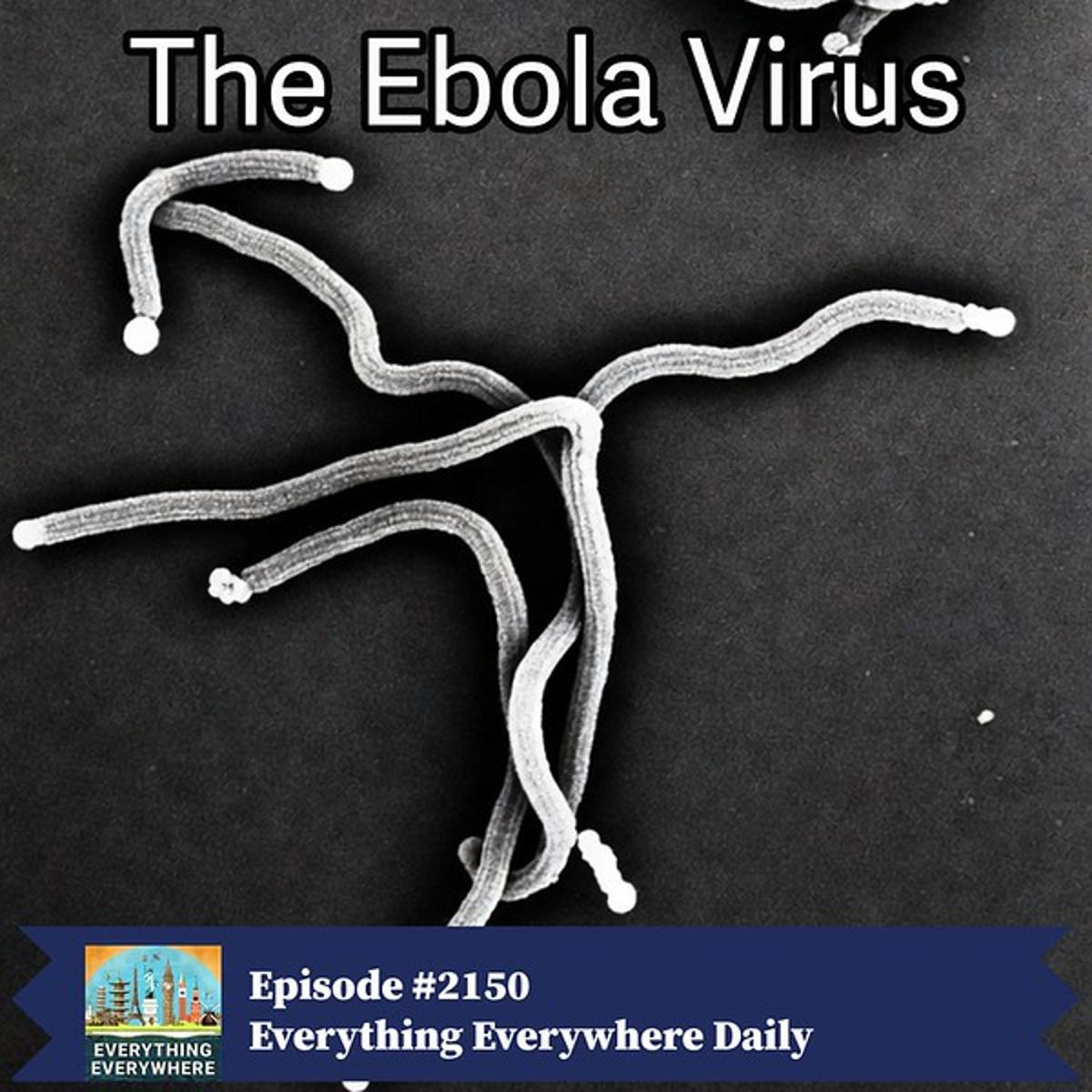
The Ebola Virus
Comments
Want to join the conversation?