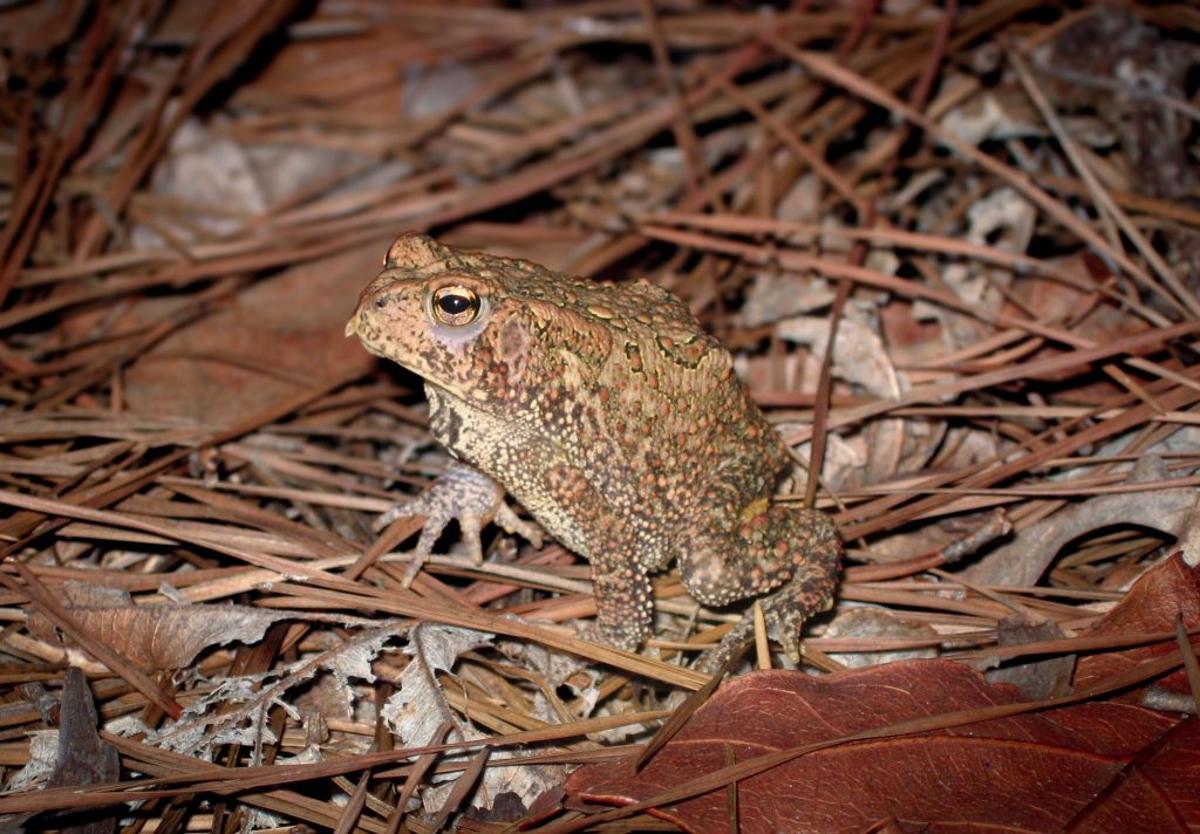
The Expanding Effort to Protect the Endangered Houston Toad
Why It Matters
Restoring the Houston toad safeguards a key bioindicator species and demonstrates how coordinated zoo‑led breeding, land management, and public‑private partnerships can reverse amphibian declines. Success could serve as a model for other endangered species facing fragmented habitats.
Key Takeaways
- •Griffith League Ranch hosts ~710 male Houston toads in 2023 survey
- •Zoos plan to release ~3 million eggs annually through 2025
- •New release sites include Bastrop State Park and Milam County wetlands
- •Partnerships with Texas A&M enhance monitoring of tadpole survival rates
- •Landowner easements and workshops aim to expand protected toad habitats
Pulse Analysis
The Houston toad (Anaxyrus houstonensis) once thrived across Texas’ piney woods and post‑oak savannas, but mid‑20th‑century development and the 2011 Bastrop Complex Fire drove it to the brink of extinction. Listed under the 1973 Endangered Species Act, the species now survives in a handful of fragmented wetlands, with the 5,200‑acre Griffith League Scout Ranch serving as its primary refuge. The toad’s reliance on ephemeral ponds, sandy soils, and narrow temperature ranges makes it especially vulnerable to urban sprawl, drought, and poor land stewardship, underscoring its role as a sensitive indicator of ecosystem health.
In response, the Houston Zoo revived a 1980s breeding program in 2007, and the Fort Worth Zoo followed suit in 2010. Together, they have released roughly three million eggs in 2024‑2025, a scale unprecedented for amphibian recovery in the region. This season marks a strategic expansion: eggs will be deposited not only at Griffith League Ranch but also at Bastrop State Park and Milam County wetlands, allowing scientists to compare survivorship across varied habitats. Collaboration with Texas A&M provides rigorous monitoring of tadpole development, while the U.S. Fish and Wildlife Service, Texas Parks and Wildlife Department, and Texas State University contribute regulatory and research support.
Beyond the numbers, the initiative highlights a broader conservation paradigm. Landowner easements and targeted workshops foster community stewardship, turning private parcels into critical habitat corridors. By bolstering the Houston toad, stakeholders protect water‑quality indicators and preserve biodiversity that benefits broader ecological networks. Continued success could validate zoo‑driven reintroduction models and inform policy for other imperiled amphibians facing habitat fragmentation nationwide.
The Expanding Effort to Protect the Endangered Houston Toad
Comments
Want to join the conversation?
Loading comments...