Why It Matters
If alien intelligence arrives as a durable probe, current SETI strategies could miss it, reshaping how we detect and interpret extraterrestrial signals. Recognizing non‑biological intelligence expands the odds of confirming we are not alone.
Key Takeaways
- •First extraterrestrial intelligence may arrive as a machine, not a organism
- •Interstellar travel favors durable probes over fragile biological crews
- •Technosignatures could be the primary evidence of alien intelligence
- •Humanity already uses machines as first contact in solar system exploration
- •Detecting alien probes requires redefining "life" in SETI searches
Pulse Analysis
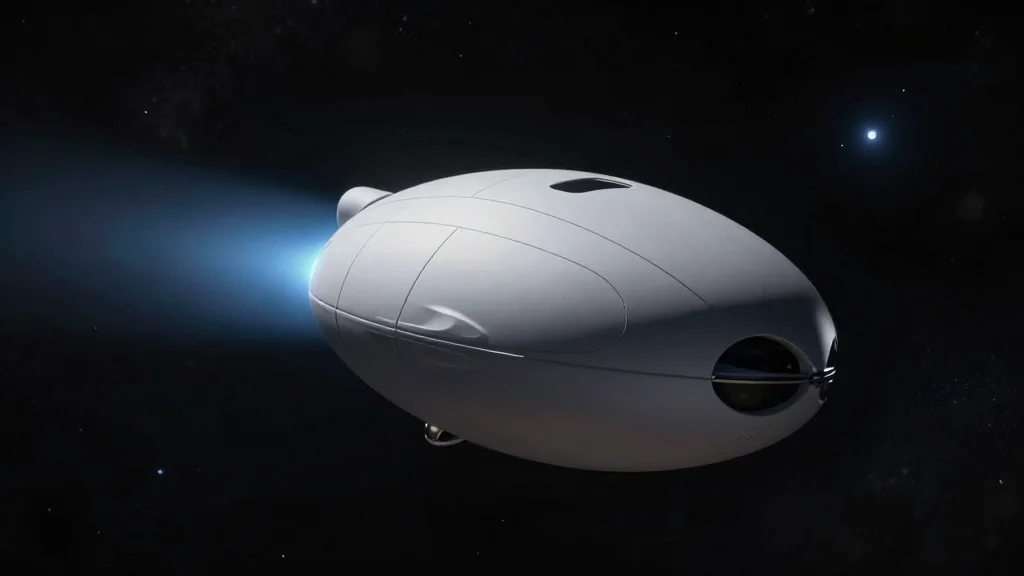
The notion that the first alien mind we meet could be a machine stems from the same practical constraints that drive human space exploration. Biological organisms require air, water, temperature control and protection from radiation, making interstellar voyages prohibitively complex. In contrast, autonomous probes can endure decades or centuries in the vacuum, power down, and react only when conditions permit. Our own history—rovers on Mars, the Voyager probes carrying the Golden Record—demonstrates that technology becomes the initial emissary of a civilization beyond its home world.
This shift reshapes the search for extraterrestrial intelligence. Traditional SETI efforts focus on narrow‑band radio or laser signals, while a broader technosignature agenda looks for artificial objects, anomalous infrared excesses, or self‑replicating probes drifting in interstellar space. An alien probe might not broadcast; it could simply wait, recording data or relaying a pre‑programmed message when it encounters a receptive civilization. Recognizing such artifacts demands new detection algorithms, cross‑disciplinary collaboration, and a willingness to interpret non‑biological patterns as potential intelligence.
Policymakers and scientists should incorporate machine‑based contact scenarios into mission planning. Future telescopes could be tasked with monitoring nearby stellar neighborhoods for unexplained objects moving at non‑Keplerian velocities, while deep‑space probes might carry sensors designed to identify artificial materials or encoded information. Funding agencies can prioritize research into long‑duration autonomous platforms and AI that can negotiate ambiguous signals. By expanding the definition of life to include intelligent artifacts, humanity improves its odds of recognizing the very first sign that we are not alone.
The first alien intelligence may not be alive
Comments
Want to join the conversation?
Loading comments...