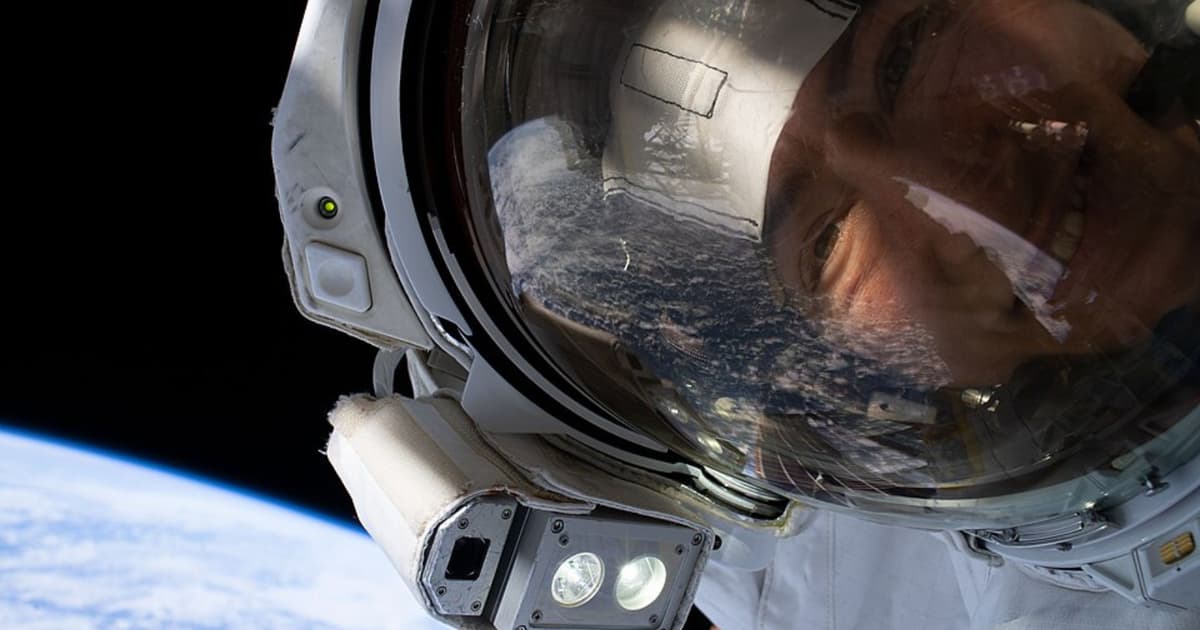
The First All-Female Spacewalk in History Did Not Happen Until October 2019, Fifty-Eight Years After Yuri Gagarin Orbited Earth — and an Earlier All-Female Attempt Seven Months Before Was Reassigned because only One Medium Spacesuit Torso Was Ready on the Station
Companies Mentioned

NASA
Axiom Space
Why It Matters
The delay showed that hardware constraints can impede diversity milestones, affecting mission schedules and public perception. Broader suit sizing will enable more inclusive crew assignments and reduce operational risk for upcoming Artemis and commercial missions.
Key Takeaways
- •March 2019 all‑female EVA canceled due to only one medium torso
- •October 18, 2019, Koch and Meir completed first all‑female spacewalk
- •Suit hardware shortage underscored need for broader EVA sizing
- •NASA’s AxEMU suit will fit crew from 1st to 99th percentile
- •Women have performed EVAs since 1984, but all‑female pairing waited 35 years
Pulse Analysis
The quest for an all‑female extravehicular activity (EVA) began long before the historic October 2019 walk. In March 2019, NASA assigned Christina Koch and Anne McClain to upgrade the ISS’s nickel‑hydrogen batteries, but a single medium‑size hard‑upper‑torso – the rigid chest segment of the spacesuit – forced a last‑minute crew swap. The hardware shortfall turned a potential milestone into a footnote, underscoring how suit logistics can dictate mission timelines and public narratives.
When the October 18, 2019 EVA finally launched, Koch and Jessica Meir spent over seven hours replacing a faulty battery charge‑discharge unit and performing ancillary tasks on the European Bartolomeo platform. Their successful walk not only marked the first all‑female pairing in spaceflight history, but also highlighted the progress of women in the field since Svetlana Savitskaya’s 1984 EVA. The event resonated beyond technical achievement, reinforcing NASA’s commitment to gender diversity and inspiring a new generation of engineers and explorers.
Looking ahead, NASA and commercial partners are addressing the suit‑size bottleneck with the AxEMU, a next‑generation extravehicular mobility unit derived from the Artemis xEMU program. Designed to accommodate crew members from the 1st to the 99th percentile, the AxEMU promises to eliminate the hardware constraints that delayed the 2019 milestone. As Artemis targets lunar return and private ventures eye deep‑space habitats, inclusive suit design will be critical for flexible crew assignments, mission safety, and sustaining public support for human space exploration.
The first all-female spacewalk in history did not happen until October 2019, fifty-eight years after Yuri Gagarin orbited Earth — and an earlier all-female attempt seven months before was reassigned because only one medium spacesuit torso was ready on the station
Comments
Want to join the conversation?
Loading comments...