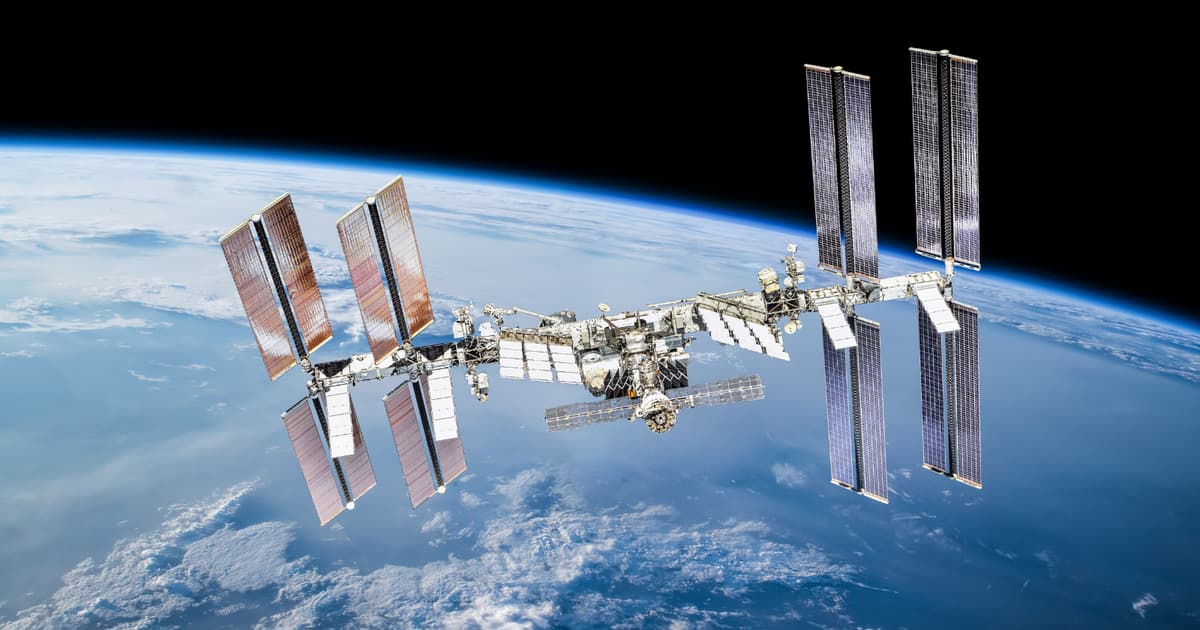
The International Space Station Has Had Continuous Human Presence for over Twenty-Five Years. The Daily Habits that Made that Possible Are Almost Embarrassingly Ordinary, Which Is Perhaps Precisely Why They Work
Companies Mentioned

NASA
Why It Matters
The ISS demonstrates that disciplined, everyday habits are the cornerstone of human performance on long‑duration space missions, offering a blueprint for health, safety, and productivity in future deep‑space endeavors and high‑stress Earth workplaces.
Key Takeaways
- •ISS crews exercise ~2 hours daily to prevent muscle loss
- •Eight hours of sleep scheduled each mission day maintains cognition
- •Daily schedule coordinated with ground teams aligns crew circadian rhythms
- •Consistent habits outweigh dramatic techniques for long‑duration spaceflight
- •Ordinary routines become non‑negotiable in the hostile ISS environment
Pulse Analysis
The International Space Station’s 25‑year record of continuous habitation is less a story of heroic feats than a case study in habit engineering. Astronauts follow a regimented daily script: two hours of resistance and cardio exercise, eight hours of sleep, and meals timed to a strict clock. Ground controllers synchronize these activities with Earth‑based circadian cues, ensuring that the crew’s physiological systems stay aligned despite orbiting 250 miles above the planet at 17,500 miles per hour. This disciplined routine mitigates the rapid muscle atrophy and bone density loss that microgravity imposes, while preserving cognitive sharpness essential for scientific work and emergency response.
Scientific research underpins every element of the schedule. Studies from NASA and ESA show that even a week of sleep deprivation can impair performance to levels comparable with intoxication, making the eight‑hour sleep window a non‑negotiable safety measure. Likewise, daily exercise counters the 1‑2 percent per month loss in bone mineral density that would otherwise jeopardize re‑entry. The consistency of these habits reduces decision fatigue, allowing astronauts to focus mental resources on mission objectives rather than basic self‑care. This operational model has been refined over two dozen crew rotations, creating a reproducible template for human health in space.
The implications extend far beyond low‑Earth orbit. As NASA, ESA, and commercial partners plot lunar outposts and Mars voyages, the ISS habit framework offers a scalable foundation for crew wellness on longer, more isolated missions. Earth‑bound industries can also borrow from this playbook: structured work‑blocks, regular physical activity, and protected sleep periods boost productivity and resilience in high‑pressure environments. In essence, the ISS teaches that ordinary, repeatable routines are the hidden engine of extraordinary achievement.
The international space station has had continuous human presence for over twenty-five years. The daily habits that made that possible are almost embarrassingly ordinary, which is perhaps precisely why they work
Comments
Want to join the conversation?
Loading comments...