Why It Matters
The clash illustrates how conventional warfare can exacerbate climate change and destabilize energy markets, underscoring the need for integrated security‑climate strategies. Its fallout threatens global economic stability and the transition to a low‑carbon economy.
Key Takeaways
- •Conflict spikes regional carbon emissions from military operations
- •Disrupted oil flows raise global energy prices, straining inflation
- •School bombing highlights civilian vulnerability in modern warfare
- •War threatens supply chains for critical minerals used in clean tech
- •Escalation risk could draw major powers, amplifying climate instability
Pulse Analysis
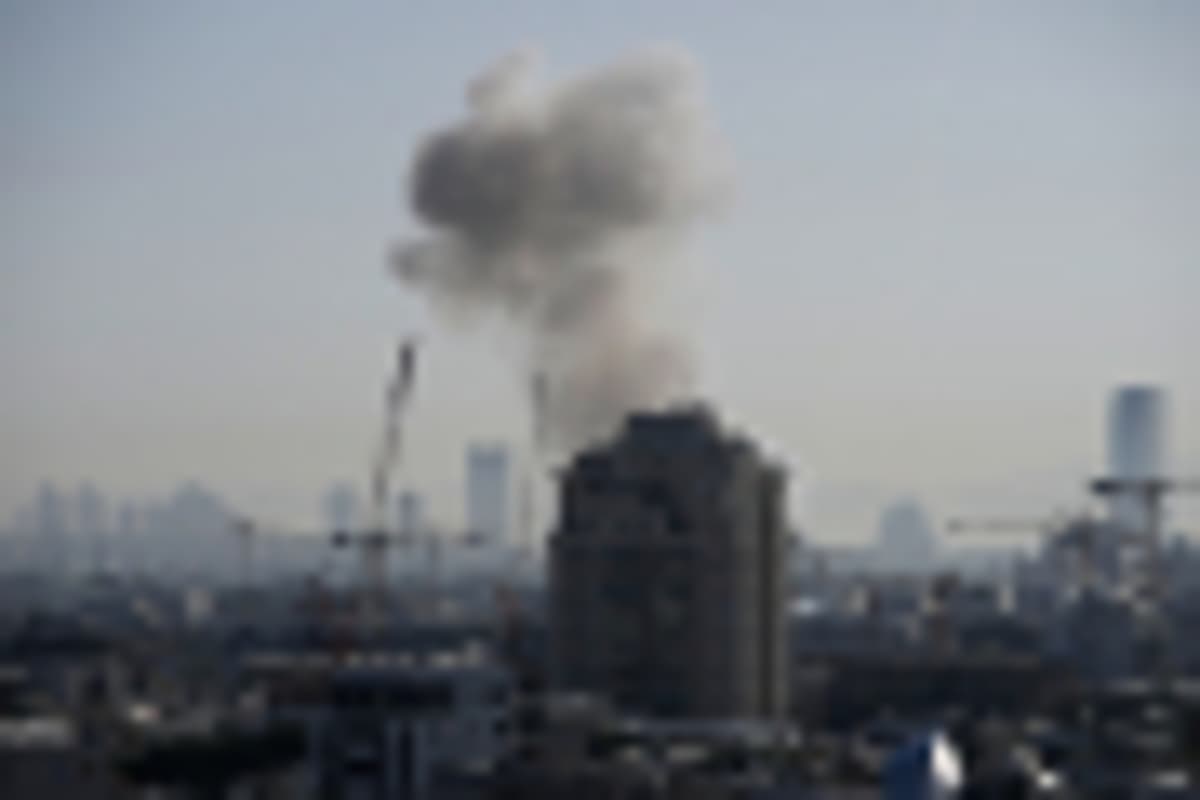
Modern warfare is a hidden driver of greenhouse‑gas emissions, and the Iran conflict is a stark example. Jet fuel, artillery, and the logistics of moving troops release millions of tons of CO₂ annually. In the current theater, the use of precision munitions and air strikes over Iran’s industrial zones adds a volatile layer of pollution, compounding the region’s already high baseline emissions. Analysts note that each additional sortie not only burns fuel but also accelerates the degradation of local air quality, creating a feedback loop where climate stress can fuel further instability.
The economic shockwaves from the war are already reverberating through global markets. Disruptions to Persian Gulf oil flows have nudged Brent crude above $90 per barrel, translating into higher gasoline prices for consumers worldwide and adding pressure to inflationary trends. Beyond fuel, the conflict threatens the supply chain for rare earth elements and lithium, minerals critical to renewable‑energy technologies. Investors watching stock indices see heightened volatility as energy‑intensive sectors grapple with both price spikes and the prospect of longer‑term supply constraints, potentially delaying clean‑tech deployment timelines.
Geopolitically, the involvement of two nuclear‑armed states raises the specter of broader escalation, which could entangle regional powers and even draw in global superpowers. Such a scenario would magnify climate risks, as larger-scale conflicts typically involve more extensive use of fossil‑fuel‑heavy weaponry and can damage climate‑monitoring infrastructure. Policymakers are therefore urged to integrate climate resilience into security planning, ensuring that diplomatic efforts address both immediate humanitarian concerns and the longer‑term environmental fallout of armed conflict.
The Iran War Is Also a Climate War
Comments
Want to join the conversation?
Loading comments...