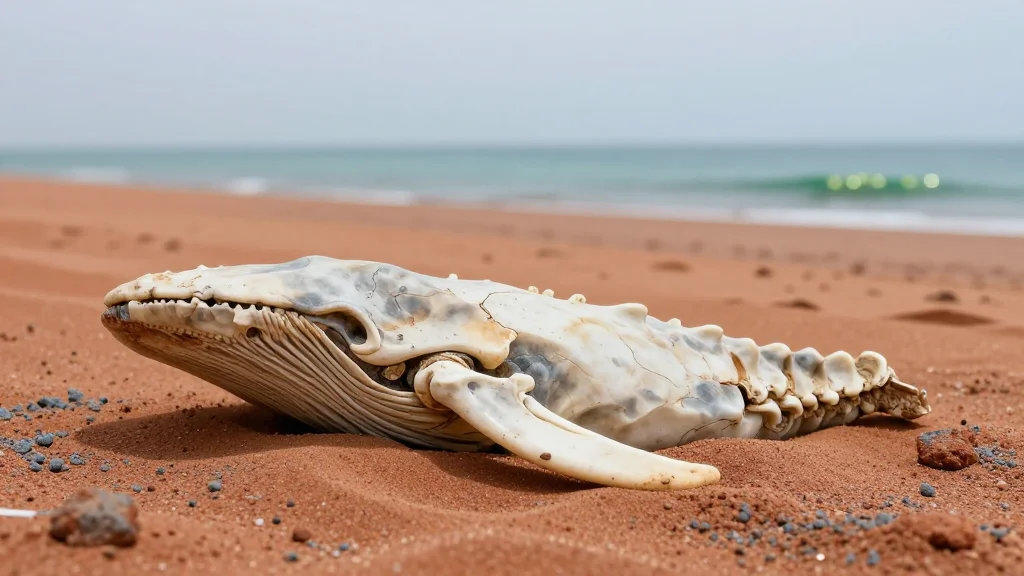
The Link Between Whales In The Andes & Climate Change
Why It Matters
The research reveals a natural mechanism—volcanic ash fertilization—that can drive large‑scale carbon drawdown and climate cooling, offering a new perspective on Earth’s climate regulation and informing future mitigation strategies.
Key Takeaways
- •Cerro Ballena holds >40 Miocene whale fossils, world’s largest concentration
- •Andean volcanic ash fertilized Southern Ocean, spurring massive diatom blooms
- •Enhanced primary productivity drew carbon into deep ocean, driving global cooling
- •Computer models link sustained Andes eruptions to late‑Miocene temperature drop
- •Findings suggest natural volcanic‑nutrient cycles could inform future climate strategies
Pulse Analysis
The discovery of Cerro Ballena’s dense whale fossil assemblage has reshaped paleontologists’ view of the late Miocene marine environment. Over 40 specimens, ranging from small porpoises to large mysticetes, were uncovered in a narrow desert basin, providing a rare snapshot of a sudden die‑off. By dating the remains to 6‑9 million years ago, scientists anchored the event to a period of heightened Andean uplift and volcanic activity, setting the stage for a broader geochemical investigation.
Volcanic ash from the Altiplano‑Puna complex introduced iron, phosphorus, and silica into the Southern Ocean, effectively fertilizing the water column. This nutrient surge ignited diatom proliferation, the ocean’s most efficient carbon sink, which both supported higher trophic levels and precipitated harmful algal blooms. The resulting carbon sequestration pulled significant CO₂ from the atmosphere, amplifying the planet’s cooling trajectory. The study’s interdisciplinary approach—melding fossil evidence, geochemical analysis, and climate‑model simulations—demonstrates how episodic geological events can cascade through biological systems to reshape global climate.
Understanding this ancient volcanic‑nutrient feedback offers valuable clues for contemporary climate policy. While modern emissions are anthropogenic, the Miocene case shows that enhancing oceanic primary productivity could augment carbon drawdown, albeit with ecological trade‑offs. The findings encourage climate modelers to integrate biogeochemical feedbacks more fully and suggest that natural processes, when properly harnessed, might complement engineered solutions. As the planet confronts rising CO₂ levels, lessons from the Andes‑driven cooling episode underscore the importance of interdisciplinary research in crafting resilient climate strategies.
The Link Between Whales In The Andes & Climate Change
Comments
Want to join the conversation?
Loading comments...