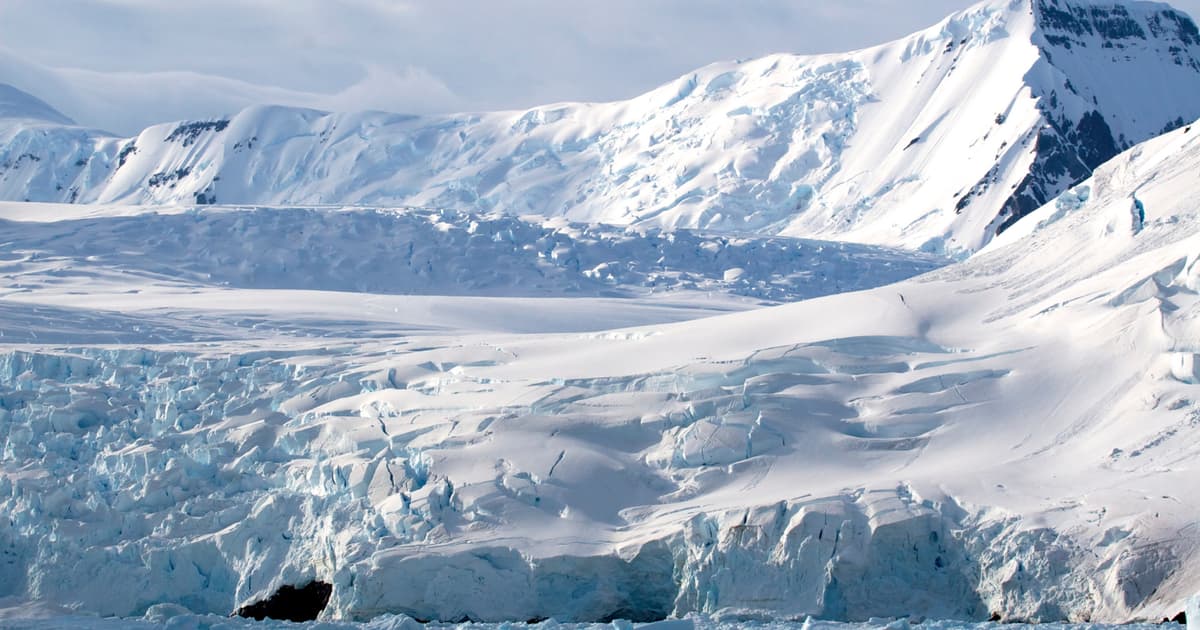
The Lowest Natural Temperature Ever Recorded on Earth Was Minus 89.2 Degrees Celsius, Measured at Antarctica’s Vostok Research Station in 1983 — Cold Enough that a Cup of Boiling Water Thrown Into the Air Freezes Before It Hits the Ground, Exhaled Breath Crystallizes Audibly Into Ice Fog, and Steel Becomes Brittle Enough to Shatter on Impact
Why It Matters
The record provides a benchmark for climate‑model validation and highlights engineering limits for materials and equipment operating in polar extremes, informing future Antarctic research and infrastructure design.
Key Takeaways
- •Vostok recorded -89.2 °C on 21 July 1983, world‑record low.
- •Five atmospheric conditions aligned to produce the extreme temperature drop.
- •Boiling water freezes mid‑air; steel becomes brittle and shatters.
- •Record informs climate models and extreme‑cold engineering standards.
- •Dome Argus may break record if conditions repeat.
Pulse Analysis
Vostok Station sits 3,488 m above sea level on the East Antarctic ice sheet, far from any moderating ocean influence. Its July mean temperature hovers around –65 °C, yet on 21 July 1983 the thermometer plunged to –89.2 °C, a figure that has stood for more than four decades. While satellite instruments have later suggested surface temperatures near –98 °C on nearby domes, those readings are indirect and not directly comparable to the ground‑based air temperature recorded at Vostok, which remains the official benchmark for extreme cold.
The 2009 study by Turner et al. identified five concurrent atmospheric factors that made the record possible: an unusually cold polar‑vortex core, the vortex’s proximity to Vostok, a week‑long circular wind pattern that blocked warmer air, low surface wind speeds that limited turbulent mixing, and a complete absence of cloud cover or diamond dust. This perfect storm maximised radiative heat loss to space, allowing the surface to approach the theoretical limit of –96 °C under prolonged conditions. Understanding these dynamics helps refine global climate models, especially in representing radiative cooling and vortex behaviour in the polar stratosphere.
At –89 °C, everyday materials behave dramatically differently. Carbon steel undergoes a ductile‑to‑brittle transition, fracturing like glass on impact, while diesel and jet fuels thicken, plastics shatter, and electronic components risk failure from thermal contraction. These phenomena compel engineers to design specialised equipment for Antarctic stations and future missions to other icy worlds. As Chinese researchers operate the higher‑elevation Dome Argus base, the prospect of breaking Vostok’s record grows, offering new data points to test the limits of both nature and human technology.
The lowest natural temperature ever recorded on Earth was minus 89.2 degrees Celsius, measured at Antarctica’s Vostok research station in 1983 — cold enough that a cup of boiling water thrown into the air freezes before it hits the ground, exhaled breath crystallizes audibly into ice fog, and steel becomes brittle enough to shatter on impact
Comments
Want to join the conversation?
Loading comments...