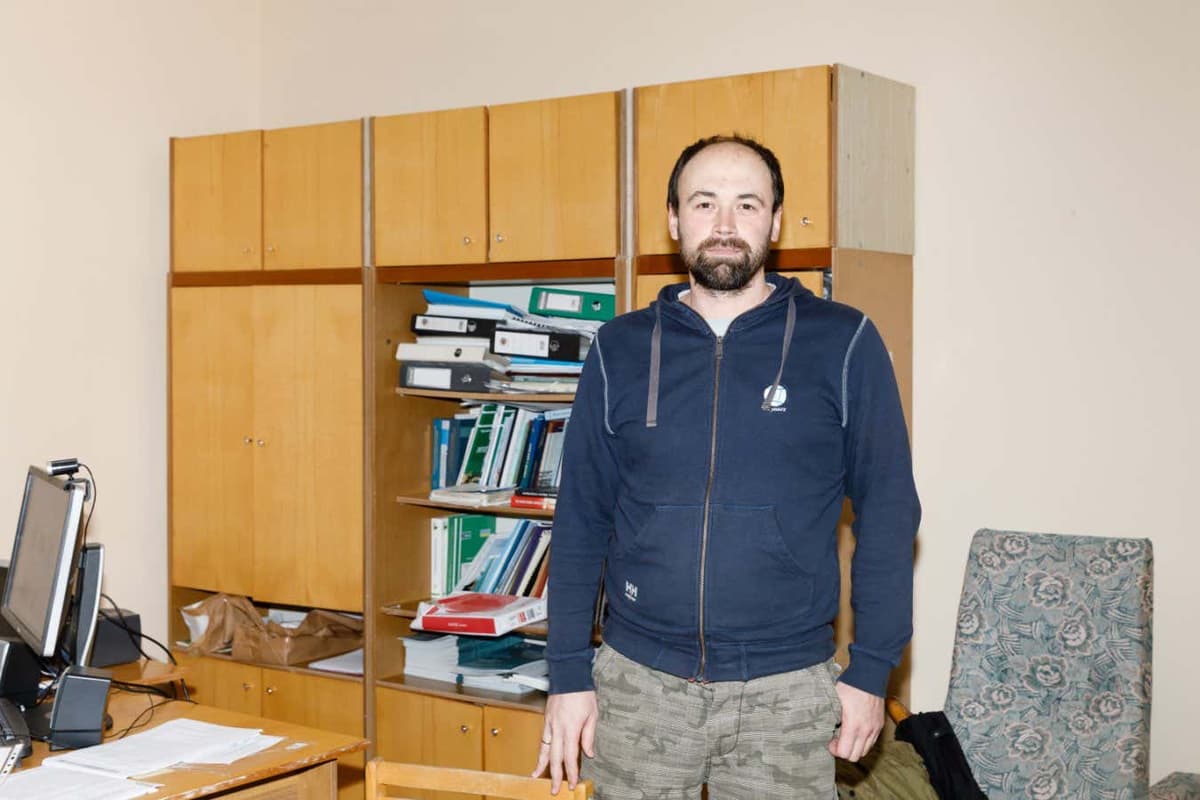
The Man Who Crawls Into the Perilous Heart of the Chernobyl Reactor
Why It Matters
Direct radiation data from Reactor 4 is essential for assessing the long‑term integrity of the New Safe Confinement and guiding de‑commissioning strategies, protecting both workers and surrounding communities. The insights also inform global nuclear safety standards for aging facilities.
Key Takeaways
- •Anatoly Doroshenko enters Reactor 4 for radiation readings
- •He reaches within 8 metres of the molten core
- •Measurements are taken up to once a month
- •Work supports safety assessments for the New Safe Confinement
- •Doroshenko likens the experience to Everest or space exploration
Pulse Analysis
The Chernobyl disaster left Reactor 4 as one of the most hostile environments on the planet, sealed beneath a concrete sarcophagus and now encased by the massive New Safe Confinement (NSC). While remote sensors can map surface radiation, they cannot capture the nuanced, evolving conditions inside the core’s debris. Direct sampling therefore remains the gold standard for understanding how radioactive materials migrate, corrode structural components, and affect the long‑term stability of the containment.
Enter Anatoly Doroshenko, a specialist with the Institute for Safety Problems of Nuclear Power Plants. Equipped with a portable dosimeter, a custom‑fitted harness, and a strict time limit, he descends into the reactor’s depths, often navigating pitch‑black corridors and crumbling concrete. Each expedition, typically conducted once a month, brings him within eight metres of the molten fuel remnants, where he collects air samples, measures gamma flux, and documents structural changes. The data he gathers feeds real‑time models that predict hot‑spot evolution, informs maintenance schedules for the NSC, and validates remote‑sensing calibrations.
The implications extend far beyond Chernobyl. As the global nuclear fleet ages, operators face similar challenges of monitoring sealed, high‑radiation zones. Doroshenko’s hands‑on approach underscores the continued relevance of human expertise in environments where robots struggle with radiation tolerance and navigation. Policymakers and industry leaders can draw lessons on allocating resources for periodic direct inspections, integrating those findings into safety case reviews, and communicating risk transparently to the public. Ultimately, the work helps ensure that the legacy of Chernobyl does not repeat itself elsewhere, reinforcing confidence in nuclear energy’s safe stewardship.
The man who crawls into the perilous heart of the Chernobyl reactor
Comments
Want to join the conversation?
Loading comments...