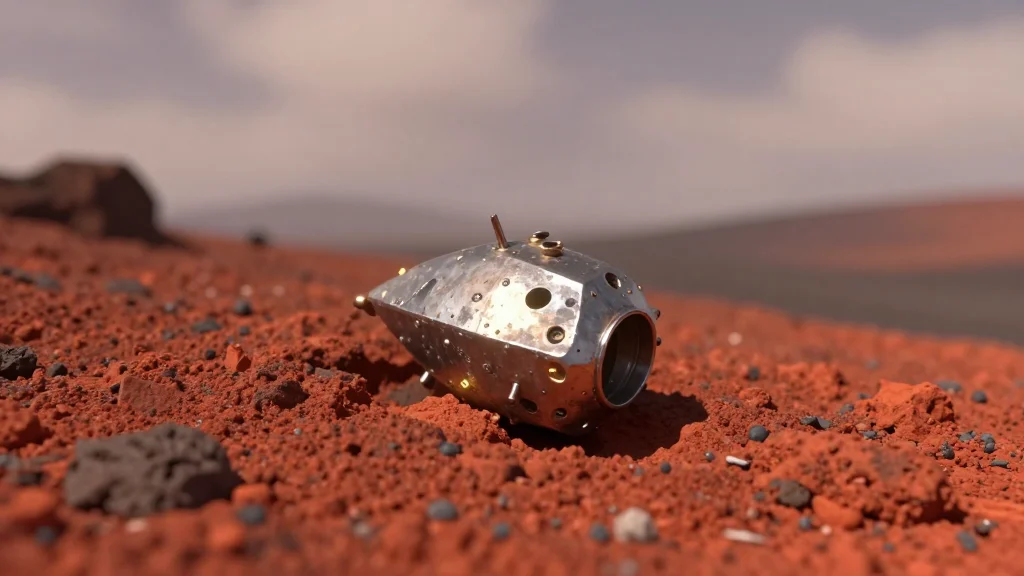
The Mangled Remains of Probes Sent to Venus May Still Be There
Companies Mentioned
Why It Matters
Preserving probe artifacts on Venus provides tangible data on material durability and enriches humanity’s space heritage, informing design choices for upcoming missions.
Key Takeaways
- •Seven of twenty Venus probes likely survived surface conditions
- •Titanium and aluminum structures resist 460 °C, 90‑bar pressure
- •Venus’s low volcanic activity reduces burial risk for artifacts
- •Future DAVINCI and private probes could be imaged in situ
- •Space archaeology expands to include harsh planetary environments
Pulse Analysis
Venus has long been dismissed as a graveyard for spacecraft, its 460 °C surface temperature and 90‑bar pressure seemingly guaranteeing rapid decay. The recent paper, however, leverages data from NASA’s Extreme Environments Rig to simulate those conditions on Earth, revealing that robust materials like titanium and aluminum can retain structural integrity for decades. By focusing on the Pioneer Venus Day Probe, the researchers demonstrated that while seals and gaskets would corrode, the primary chassis would likely remain recognizable, overturning the assumption that all artifacts are irretrievably lost.
This revelation reshapes the emerging field of space archaeology, which seeks to catalog and study humanity’s material footprints beyond Earth. Surviving probes become time capsules, offering engineers direct insight into how legacy materials behave under sustained extreme environments. Such knowledge can guide the selection of alloys, coatings, and seal designs for future landers, reducing risk and extending mission lifespans. Moreover, preserving these artifacts supports cultural heritage initiatives, ensuring that the story of early planetary exploration remains accessible to future generations.
Looking ahead, upcoming missions such as NASA’s DAVINCI and a private venture backed by MIT and Rocket Lab are poised to land new probes on Venus. Armed with the new understanding that artifacts can endure, mission planners are now considering onboard imaging systems to locate and document historic hardware. This could create a dual‑purpose mission: gathering scientific data while simultaneously cataloguing space heritage, a synergy that may attract both public interest and funding for planetary exploration.
The mangled remains of probes sent to Venus may still be there
Comments
Want to join the conversation?
Loading comments...