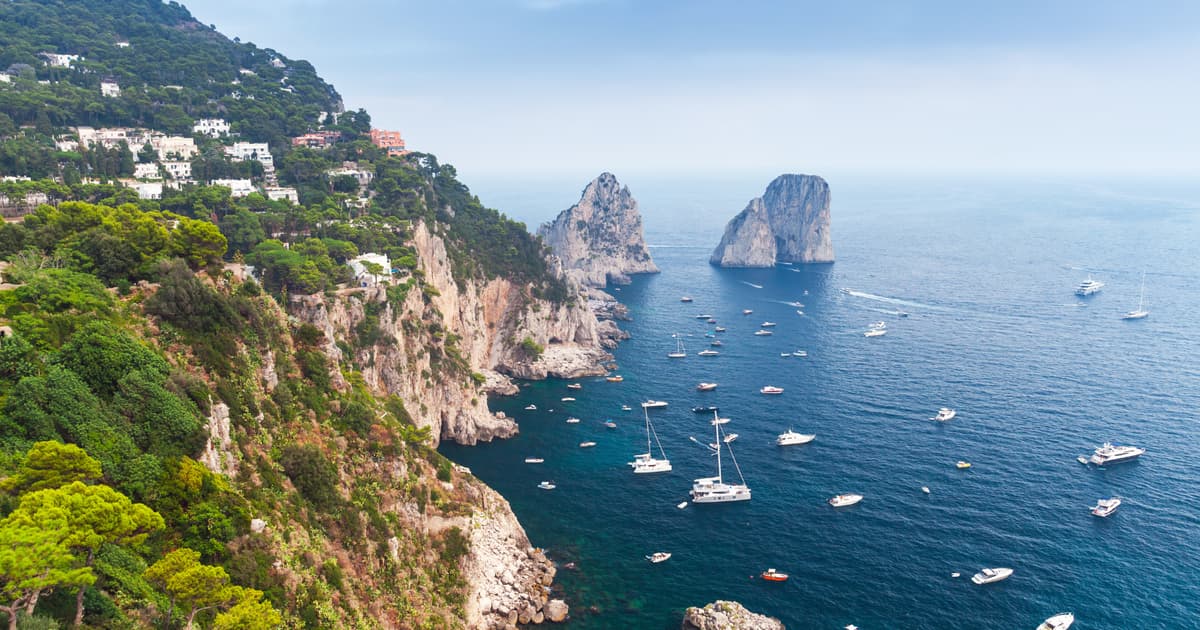
The Mediterranean Sea Was Once Completely Dry — About 5.6 Million Years Ago, the Connection to the Atlantic Ocean Was Closed by Geological Shifts, and the Entire Sea Evaporated Into a Massive Salt-Floored Basin Two Miles Below Sea Level, Which Remained Empty for Roughly 600,000 Years Before the Strait of Gibraltar Reopened and the Atlantic Refilled It in What May Have Been the Largest Waterfall in Earth’s History
Why It Matters
Understanding the Messinian Salinity Crisis reshapes models of rapid sea‑level change and informs modern flood‑risk assessments, while the giant evaporite layers have direct implications for hydrocarbon exploration.
Key Takeaways
- •Mediterranean evaporated 5.6 M years ago, leaving >1 million km³ salt deposit
- •Basin fell up to two miles below sea level for ~600,000 years
- •Zanclean Flood may have delivered 100 million m³/s, rivaling Amazon
- •New studies question whether refilling was catastrophic or gradual
- •River canyons carved in dry basin still visible beneath modern seafloor
Pulse Analysis
The Messinian Salinity Crisis stands as a dramatic episode in Earth’s recent geological record. Around 5.6 million years ago, the progressive closure of the Strait of Gibraltar cut off Atlantic inflow, turning the Mediterranean into a hyper‑evaporative desert basin. Over a span that may have been as brief as a thousand years, the sea vanished, leaving a salt‑laden floor up to two miles below surrounding sea level. This extreme desiccation reshaped regional climate, created a massive evaporite complex, and set the stage for one of the planet’s most debated megafloods.
The existence of the ‘salt giant’ was first confirmed by the 1970 Glomar Challenger drilling campaign, which recovered hundreds of metres of halite and gypsum. Such thick evaporite sequences are rare and have direct relevance to hydrocarbon exploration, as similar deposits elsewhere trap oil and gas. Moreover, the fossil soils, river‑cut canyons, and plant remnants embedded in the cores provide a vivid snapshot of a hot, low‑pressure landscape comparable to today’s Lut Desert. These data anchor the narrative that the basin was truly dry for hundreds of thousands of years.
Since the 2009 Nature model, the Zanclean Flood has been portrayed as a catastrophic, thousand‑year‑short deluge with peak discharges of 100 million m³/s—about a thousand times the Amazon’s flow. However, recent geomorphological work and a 2024 MBARI study have revived the possibility of a more protracted refilling, challenging the ‘Gibraltar waterfall’ myth. Resolving this debate matters beyond academic curiosity; it refines our understanding of rapid sea‑level change, informs flood‑risk modeling for coastal megacities, and underscores how tectonics can abruptly rewrite planetary water budgets.
The Mediterranean Sea was once completely dry — about 5.6 million years ago, the connection to the Atlantic Ocean was closed by geological shifts, and the entire sea evaporated into a massive salt-floored basin two miles below sea level, which remained empty for roughly 600,000 years before the Strait of Gibraltar reopened and the Atlantic refilled it in what may have been the largest waterfall in Earth’s history
Comments
Want to join the conversation?
Loading comments...