Why It Matters
The find underscores the hidden biodiversity within protected megasites and highlights the importance of taxonomic research for public health preparedness. Recognizing a new venomous snake informs medical response strategies and reinforces conservation priorities.
Key Takeaways
- •New pitviper named Huaxi green pitviper (Trimeresaurus lii) discovered in China
- •Genetic analysis separated it from bamboo pitviper after decades of misidentification
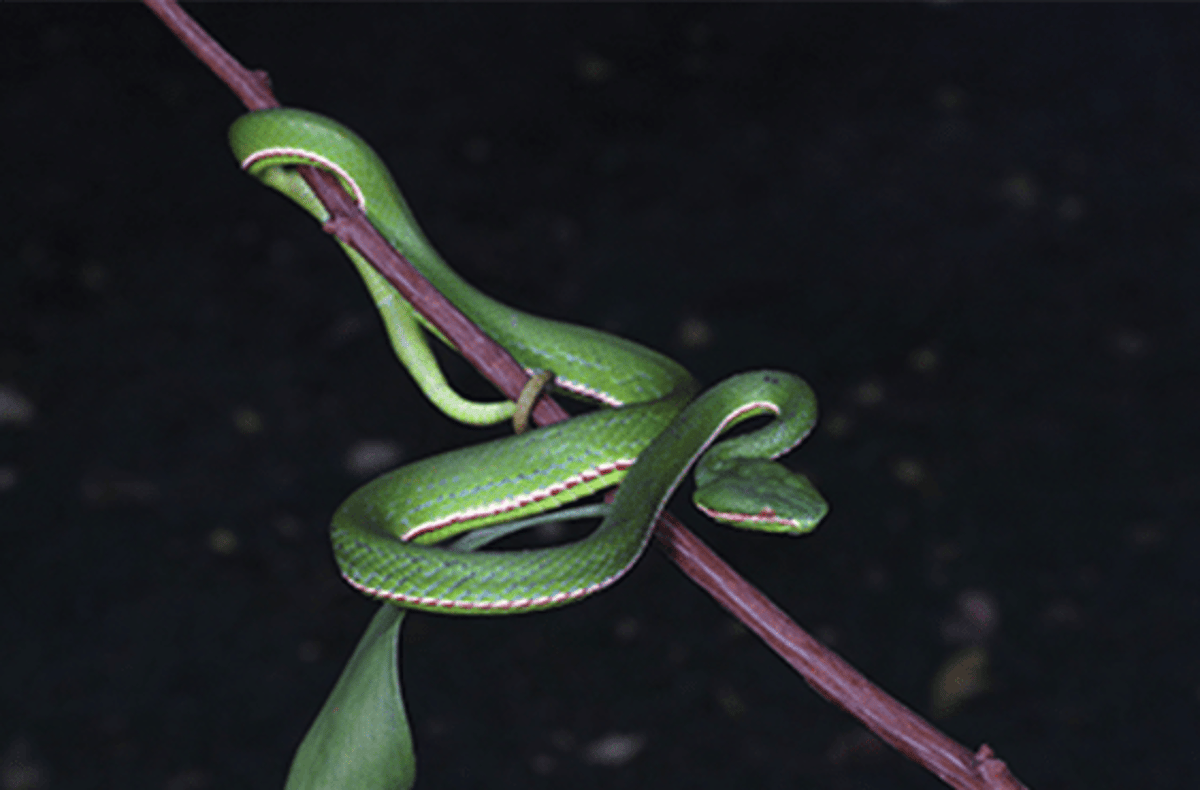
- •Males show red‑white stripe; females display yellow stripe and distinct eye color
- •First documented bite treated successfully with existing polyvalent antivenom
Pulse Analysis
The discovery of Trimeresurus lii adds a fresh chapter to the rich tapestry of life thriving within China’s Giant Panda National Park, a conservation expanse comparable in size to the U.S. state of Massachusetts. While the park is famed for its iconic giant pandas, it also shelters over 5,000 species, ranging from red pandas to snow leopards. The identification of a previously hidden pitviper highlights how even well‑studied protected areas can conceal cryptic fauna, reinforcing the value of sustained field surveys and modern genetic tools in biodiversity hotspots.
Cryptic species like the Huaxi green pitviper often evade detection because they closely resemble known taxa—in this case, the bamboo pitviper. Advanced DNA sequencing and meticulous morphological reviews finally revealed distinct genetic markers and unique coloration patterns, prompting a formal description in *Zoosystematics and Evolution*. Beyond academic interest, the species’ venomous nature carries practical implications: a researcher’s bite demonstrated that existing polyvalent antivenoms can neutralize its toxins, but it also signals a need for updated medical protocols in remote park regions where snakebites, though rare, can be life‑threatening.
From a policy perspective, the find bolsters arguments for expanding funding toward taxonomic research and antivenom stockpiling in wildlife reserves. It also offers a potential draw for eco‑tourism, as enthusiasts seek out novel species in pristine habitats. Ultimately, the new pitviper serves as a reminder that protecting ecosystems yields not only iconic megafauna but also hidden gems that deepen scientific understanding and improve public health readiness.
The New Pitviper Species Hidden in China’s Panda Park
Comments
Want to join the conversation?
Loading comments...