The New Word in Home Construction Could Be “Plastics”
Why It Matters
The technology offers a scalable solution to two global crises—housing shortages and plastic pollution—by turning waste into high‑performance construction material, potentially reducing reliance on timber and concrete. Its rapid, low‑weight production could transform supply chains and lower costs for affordable housing projects.
Key Takeaways
- •Recycled PET and glass fiber printed into load‑bearing trusses
- •Four printed trusses held over 4,000 lb, exceeding HUD standards
- •Each truss weighs ~13 lb and prints in under 13 minutes
- •Process aims to use unclean plastic, enabling micro‑factory production
Pulse Analysis
The world faces a dual challenge: a looming need for roughly one billion new homes by 2050 and a mounting crisis of single‑use plastic waste. Traditional construction relies heavily on timber, which threatens forests, and concrete, whose carbon footprint is high. By leveraging additive manufacturing, MIT researchers propose a third path—turning post‑consumer PET bottles into structural components. This approach not only diverts plastic from landfills but also creates a material that can be engineered for strength, durability, and lightweight handling, addressing both environmental and logistical constraints.
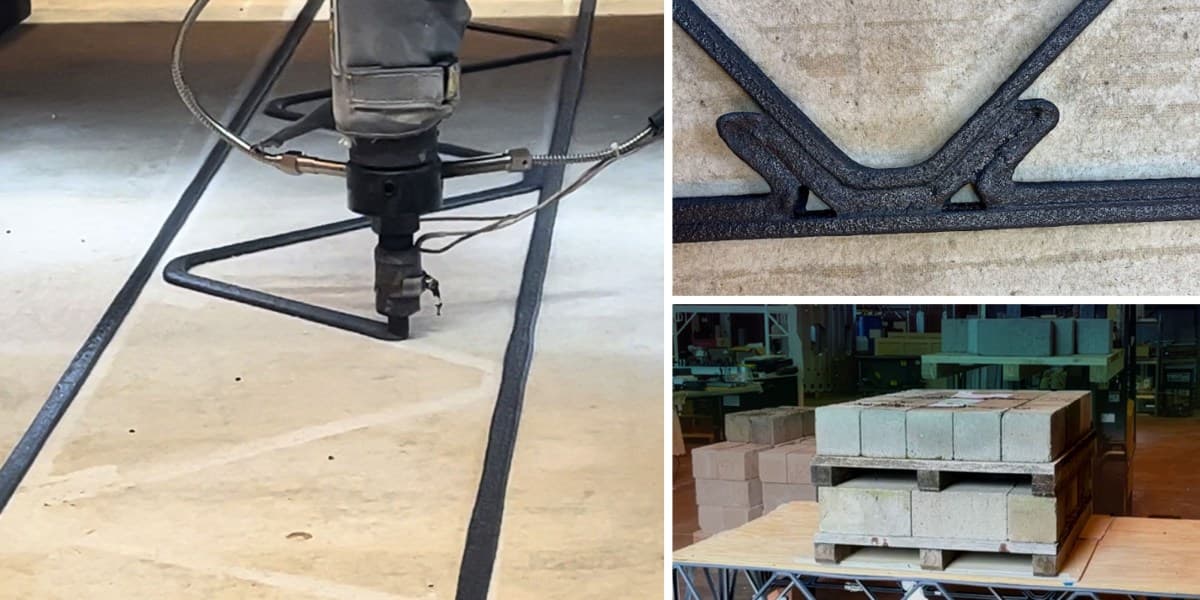
Technically, the team combined recycled PET pellets with aerospace‑grade glass fibers to form a printable composite "ink." The resulting trusses, shaped like conventional wooden ladder beams, demonstrated a load‑bearing capacity exceeding 4,000 lb—well above HUD requirements—while weighing a mere 13 lb each. Production speed is equally compelling: a room‑size printer can fabricate a truss in under 13 minutes, and the design tolerates "dirty" plastic that has not been meticulously cleaned. Compared with timber, the plastic composite resists rot, insects, and warping, and it eliminates the need for heavy transport equipment, potentially allowing delivery by small trucks or even mopeds.
If scaled, this technology could reshape construction supply chains. Micro‑factories positioned near plastic collection points—such as stadiums or recycling hubs—could feed shredded waste directly into large‑scale printers, producing ready‑to‑assemble framing components on demand. This model promises lower material costs, reduced carbon emissions, and faster build times for affordable housing. However, challenges remain, including regulatory approvals, long‑term durability testing, and market acceptance. As the industry grapples with sustainability mandates, plastic‑based 3D‑printed framing could emerge as a disruptive, eco‑friendly alternative to wood and concrete.
The new word in home construction could be “plastics”
Comments
Want to join the conversation?
Loading comments...