The Night Sky Could Get Three Times Brighter as New Satellites Launch — All but Ruining the Vera C. Rubin Observatory's Survey of the Universe
Why It Matters
The findings highlight a direct threat to ground‑based astronomy and could force regulatory limits on satellite brightness, affecting the economics of future LEO broadband constellations.
Key Takeaways
- •60k satellites dimmer than magnitude 7 add only 0.1% sky brightness.
- •50k super‑bright Reflect Orbital satellites could triple night‑sky brightness.
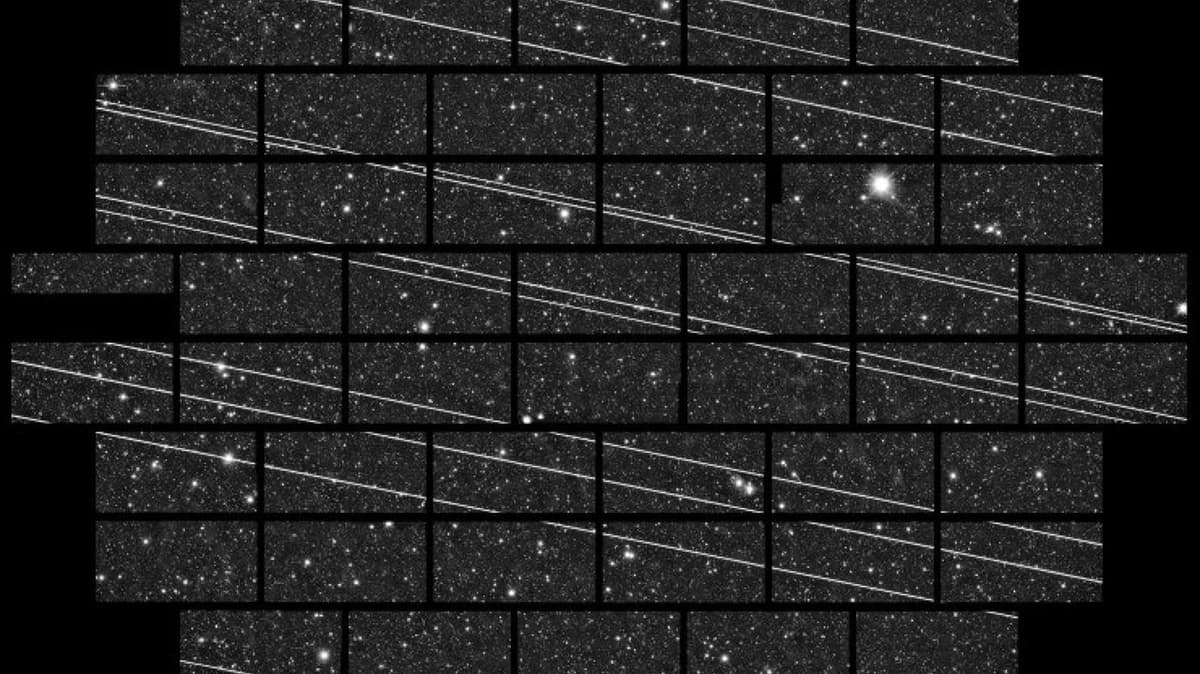
- •LSST camera could lose 6‑15% of field of view to satellite trails.
- •Recommend fewer than 10 satellites brighter than magnitude 7 simultaneously.
- •Keep total constellation under 100,000 to limit astronomical data loss.
Pulse Analysis
The rapid deployment of low‑Earth‑orbit (LEO) broadband constellations has turned the night sky into a crowded traffic lane. Companies such as SpaceX, OneWeb and emerging players plan to launch tens of thousands of satellites over the next decade, many of which are equipped with large reflective surfaces to boost communications capacity. While these networks promise global internet access, they also introduce a new source of optical contamination for ground‑based observatories. Astronomers have already reported streaks and flares that compromise image quality, prompting a wave of scientific scrutiny.
A recent pre‑print study by ESO astronomer Olivier Hainaut models how scattered sunlight from thousands of satellites alters sky brightness. The analysis shows that a megaconstellation of 60,000 satellites kept fainter than magnitude 7 would contribute only 0.1 % of natural sky illumination, yet their trails could saturate 6‑15 % of the Vera C. Rubin Observatory’s LSST camera field of view. In a worst‑case scenario, 50,000 ultra‑bright Reflect Orbital‑type satellites would triple the night‑sky brightness, effectively rendering LSST data unusable.
The authors recommend strict limits: no more than ten satellites brighter than magnitude 7 visible at any moment and a total fleet below 100,000 units. Simple mitigation measures, such as dark‑coated or sun‑shielded satellite surfaces, could keep most constellations within the faint‑satellite threshold, though they are unsuitable for high‑reflectivity designs. Regulators, industry groups and the International Astronomical Union are now debating enforceable standards to preserve the dark and quiet sky. Balancing commercial connectivity with scientific heritage will shape policy decisions for the next generation of space infrastructure.
The night sky could get three times brighter as new satellites launch — all but ruining the Vera C. Rubin Observatory's survey of the universe
Comments
Want to join the conversation?
Loading comments...