Why It Matters
The reclassification reshapes the timeline of cephalopod evolution, confirming that octopuses appeared later than previously thought, and showcases the power of modern imaging to refine ancient life studies.
Key Takeaways
- •Fossil *Pohlsepia* reidentified as nautilus, not octopus.
- •310‑million‑year age exceeds known octopus fossil record.
- •Radula shows ≥11 teeth, matching nautilus rather than octopus.
- •High‑resolution X‑ray imaging revealed chemical signatures of soft tissues.
- •Octopus lineage now constrained to post‑150 Myr, revising cephalopod evolution.
Pulse Analysis
Cephalopods have long fascinated scientists, but their deep‑time origins remain murky due to a sparse fossil record. The claim that *Pohlsepia mazonensis* represented a 310‑million‑year‑old octopus created a puzzling 160‑million‑year gap, suggesting octopuses emerged far earlier than other evidence supports. By correcting this misidentification, researchers restore coherence to the evolutionary timeline, confirming that true octopuses likely diversified after the mid‑Mesozoic, while nautiluses retain their status as ancient “living fossils.” This adjustment has ripple effects for studies of mollusk diversification and marine ecosystem evolution.
The breakthrough hinged on high‑resolution X‑ray chemical imaging, a technique that maps elemental composition within fossilized soft tissue. The analysis uncovered a preserved radula—a rasping tongue—exhibiting at least eleven teeth per row, a pattern characteristic of nautilus species rather than octopods, which possess fewer teeth. This morphological clue provided unequivocal evidence to reassign the specimen, illustrating how non‑destructive imaging can extract diagnostic features from specimens previously deemed ambiguous.
Beyond the taxonomic correction, the study underscores a broader shift in paleontology toward integrating advanced instrumentation to revisit legacy collections. As imaging technologies evolve, more misclassified fossils may be reassessed, refining evolutionary models across taxa. For educators, museum curators, and investors in scientific equipment, the case highlights the commercial and scholarly value of cutting‑edge analytical tools. Ultimately, the revised timeline sharpens our understanding of cephalopod adaptation, informing everything from evolutionary biology curricula to speculative biotech applications inspired by cephalopod physiology.
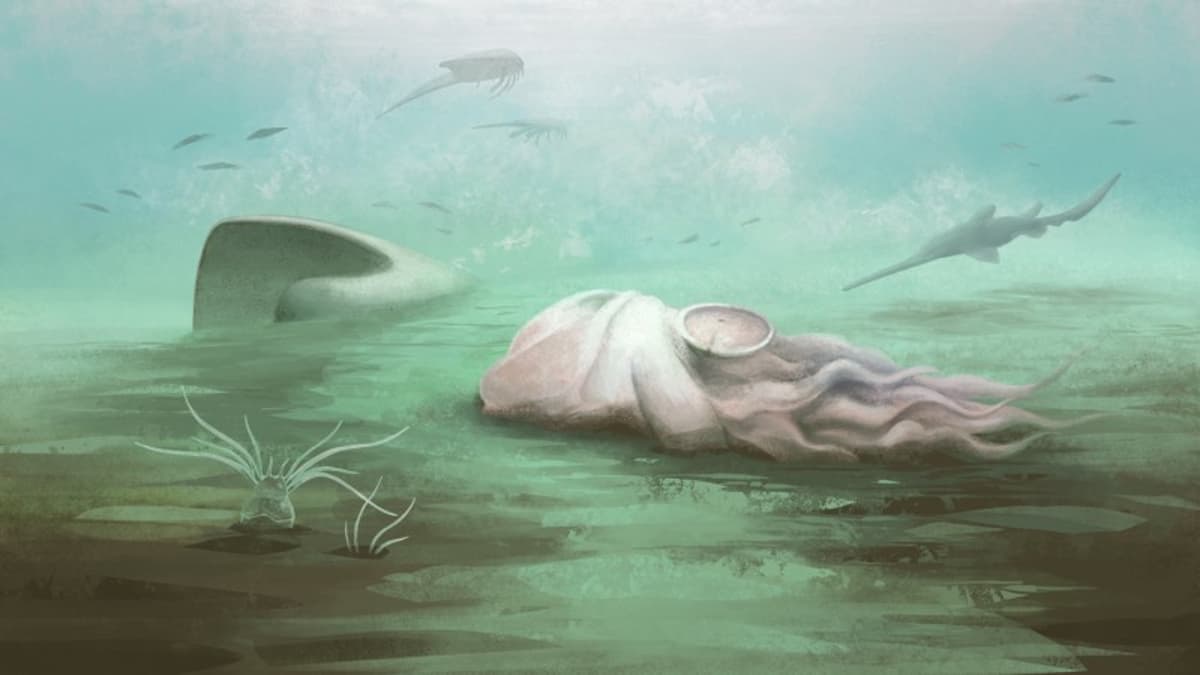
The ‘oldest fossil octopus’ is probably another animal
Comments
Want to join the conversation?
Loading comments...