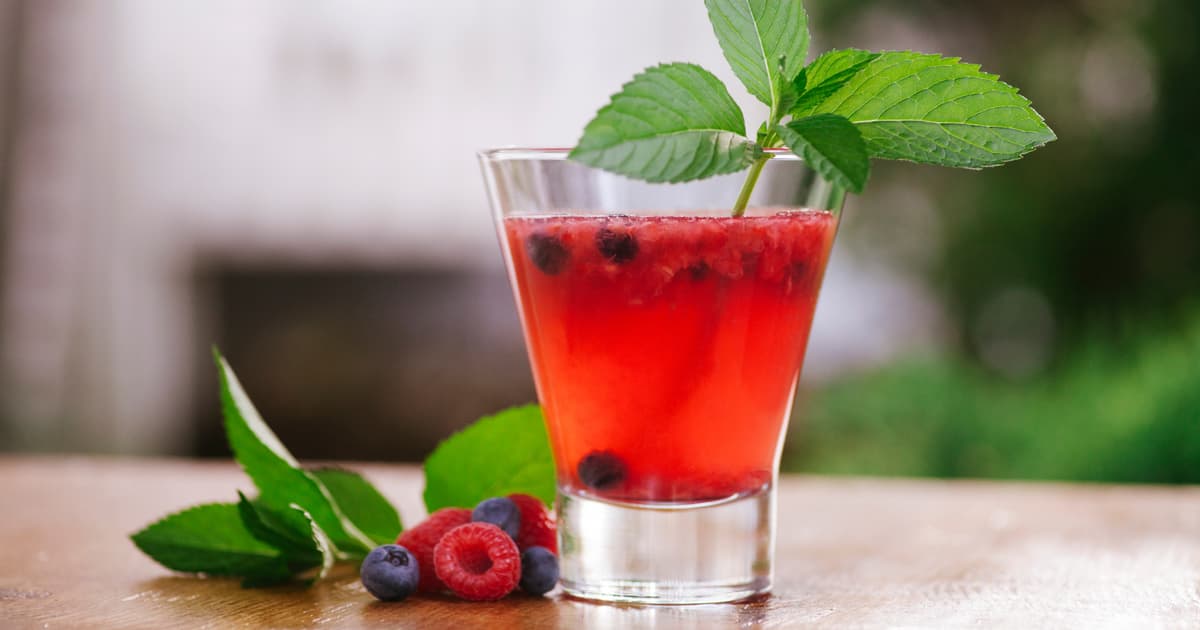
The Popular Claim that Space Tastes Like Raspberries and Smells Like Rum, Repeated in Science Articles for over Fifteen Years, Is Based on a Single 2009 Detection of One Organic Molecule in One Specific Dust Cloud at the Centre of the Milky Way, and the Actual Story Behind the Finding Is More Interesting than the Version that Has Been Circulating
Why It Matters
The discovery shows that biologically relevant, branched organic molecules can form in interstellar clouds, informing theories of life's origins. It also highlights how sensationalized science reporting can distort public perception of research.
Key Takeaways
- •Ethyl formate detection sparked the 'raspberries in space' myth.
- •n‑propyl cyanide, a 12‑atom molecule, was the more significant find.
- •Sagittarius B2 remains the richest source of interstellar organic molecules.
- •Astronauts report a metallic, welding‑like odor after spacewalks, not fruit.
- •Findings support prebiotic chemistry forming before planets, influencing astrobiology.
Pulse Analysis
The headline that space tastes like raspberries originated from a 2009 paper that reported ethyl formate in the dense Sagittarius B2 molecular cloud near the Milky Way’s core. Journalists latched onto the familiar flavor cue, turning a single molecular detection into a memorable soundbite. This simplification ignored the broader context of the survey, which cataloged dozens of organic compounds and, crucially, a second molecule—n‑propyl cyanide—whose branched structure more directly mirrors the chemistry of amino acids.
Astrochemists view Sagittarius B2 as a natural laboratory for prebiotic chemistry. The detection of n‑propyl cyanide, a twelve‑atom ester, pushed the known limits of molecular complexity in the cold, low‑density interstellar medium. Laboratory models suggest these molecules assemble on dust‑grain surfaces, stepwise building larger organics that could seed nascent planetary systems. Demonstrating that such complexity arises without planetary environments reshapes our understanding of how the building blocks of life may be distributed across the galaxy, influencing models of planetary formation and the likelihood of life elsewhere.
Meanwhile, astronaut testimonies provide the only direct sensory glimpse of space, describing a metallic, welding‑like odor after spacewalks—far from any fruit aroma. This contrast underscores the gap between sensational headlines and empirical reality. Ongoing observations with facilities like ALMA aim to detect even larger molecules, including amino acids, which would cement the case for interstellar prebiotic synthesis. As the scientific narrative evolves, separating fact from catchy myth becomes essential for informed public discourse on astrobiology and the origins of life.
The popular claim that space tastes like raspberries and smells like rum, repeated in science articles for over fifteen years, is based on a single 2009 detection of one organic molecule in one specific dust cloud at the centre of the Milky Way, and the actual story behind the finding is more interesting than the version that has been circulating
Comments
Want to join the conversation?
Loading comments...