Companies Mentioned
Why It Matters
The presence of antibiotic‑resistant bacteria in bear populations signals broader environmental contamination, raising public‑health concerns and highlighting the need for wildlife‑based monitoring. Using bears as sentinel species could improve early detection of ecological threats and guide mitigation strategies.
Key Takeaways
- •Study examined intestines of 48 wild black bears in North Carolina.
- •Dominant microbe linked to human obesity: Clostridium sensu stricto 1.
- •Antibiotic‑resistant Enterococcus and Ochrobactrum found abundantly in bear guts.
- •Bears act as biosensors, reflecting habitat food sources and contamination.
- •Findings suggest wildlife can spread resistant bacteria to ecosystems and humans.
Pulse Analysis
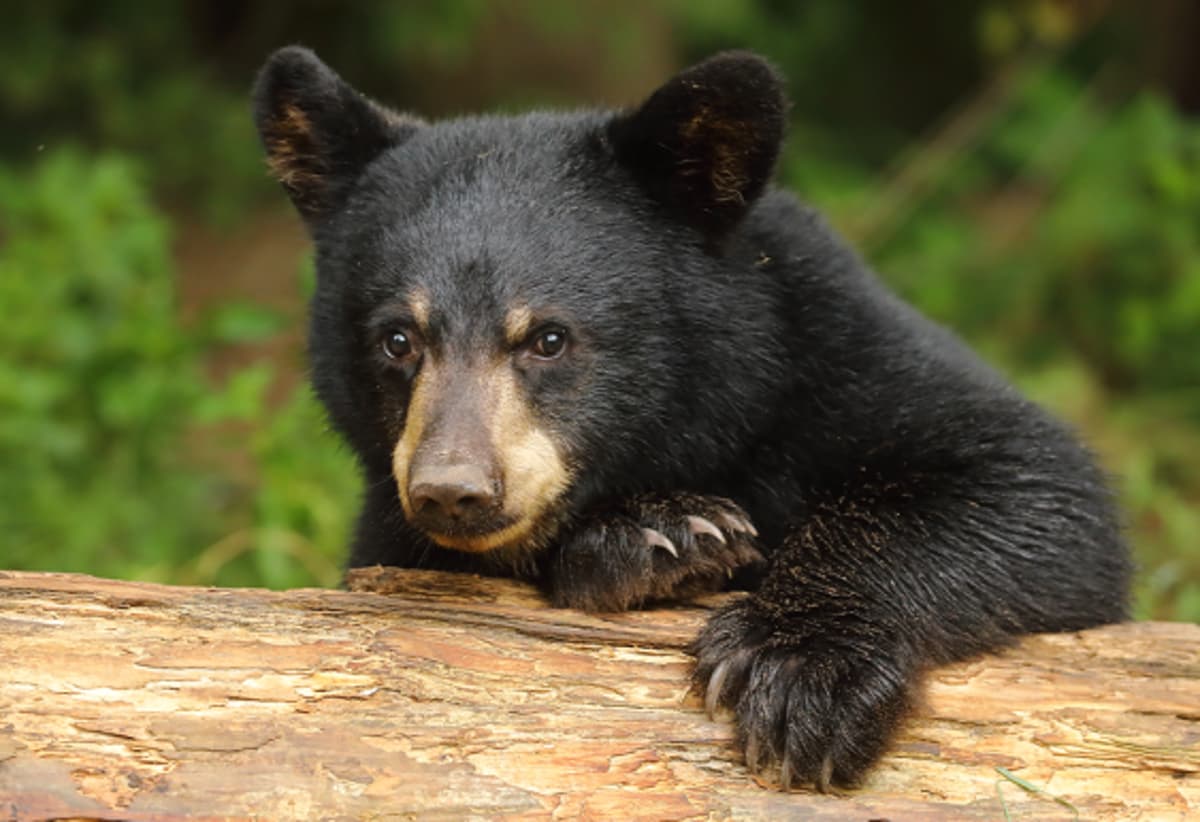
Environmental monitoring has traditionally focused on water quality, air pollutants, and biodiversity indices. The recent North Carolina study adds a novel dimension by leveraging the gut microbiome of black bears as a real‑time indicator of ecosystem health. By sequencing intestinal samples from 48 hunted bears, researchers identified a microbial profile dominated by Clostridium sensu stricto 1, a species associated with fat accumulation in humans. This aligns with bears’ physiological need to build reserves for winter, illustrating how animal biology can mirror broader ecological processes.
More concerning, however, is the abundant detection of antibiotic‑resistant bacteria—Enterococcus and Ochrobactrum—within the same samples. These microbes typically proliferate in environments exposed to veterinary or human antibiotics, suggesting that the bears’ habitats are contaminated despite the animals’ lack of direct antibiotic exposure. As bears consume a wide range of foods and rapidly transit material through their digestive tracts, they can act as vectors, shedding resistant strains across large territories via feces. This mechanism could facilitate the spread of resistance genes to other wildlife, domestic animals, and potentially humans, amplifying the public‑health challenge of antimicrobial resistance.
The study underscores the value of integrating wildlife microbiome surveillance into existing environmental assessment frameworks. By treating bears as sentinel species, agencies can gain early warnings of contaminant influxes, track changes in food‑web dynamics, and prioritize remediation efforts. Future research should expand sampling across regions and seasons, correlate microbial findings with land‑use patterns, and explore mitigation strategies such as reducing antibiotic runoff. Embracing this bio‑sentinel approach could sharpen our ability to protect both ecosystem integrity and human health.
The Predictive Powers of Bear Poop
Comments
Want to join the conversation?
Loading comments...