Why It Matters
Human presence directly reshapes animal behavior, meaning conservation plans that ignore daily human activity risk misallocating resources and failing to protect vulnerable species.
Key Takeaways
- •Over 65% of studied species altered movement due to human presence
- •Wolves and ravens expanded range, while coyotes limited movement
- •Human activity impacts are strongest in undeveloped natural areas
- •Flexible animal responses suggest potential for targeted management
- •Combining mobile phone data with GPS reveals nuanced human‑wildlife interactions
Pulse Analysis
The new research underscores a shift in conservation science: beyond the well‑documented effects of habitat loss, the mere presence of people can rewire wildlife movement. By pairing high‑resolution GPS collars on 4,500 individuals with anonymized mobile‑phone data and satellite‑derived disturbance maps, the team captured a granular picture of how animals respond to fluctuating human footprints. This methodological breakthrough, enabled by pandemic‑era mobility data, allowed researchers to isolate short‑term human presence from permanent land‑use changes, revealing that more than two‑thirds of the species studied adjusted their space use in response to people.
These insights have immediate implications for land managers and policymakers. In natural settings where human activity spikes—such as weekend recreation areas or seasonal tourism corridors—animals may either retreat to avoid disturbance or, paradoxically, expand their range to exploit new food sources linked to humans. Tailoring management actions, like restricting vehicle traffic during breeding seasons or designating low‑impact zones, could mitigate negative behavioral shifts. The study also highlights species‑specific strategies; for instance, wolves broadened their territories to steer clear of humans, suggesting that connectivity between protected patches remains vital.
Looking ahead, the integration of real‑time human mobility data with wildlife telemetry promises a dynamic, adaptive approach to biodiversity protection. As sensor networks become more ubiquitous, conservation agencies can forecast animal responses to planned events, infrastructure projects, or sudden changes like lockdowns. This proactive stance aligns with emerging “human‑wildlife coexistence” frameworks, offering a data‑driven pathway to balance ecological integrity with societal use of natural landscapes. Stakeholders—from park authorities to urban planners—stand to benefit from these nuanced, evidence‑based guidelines.
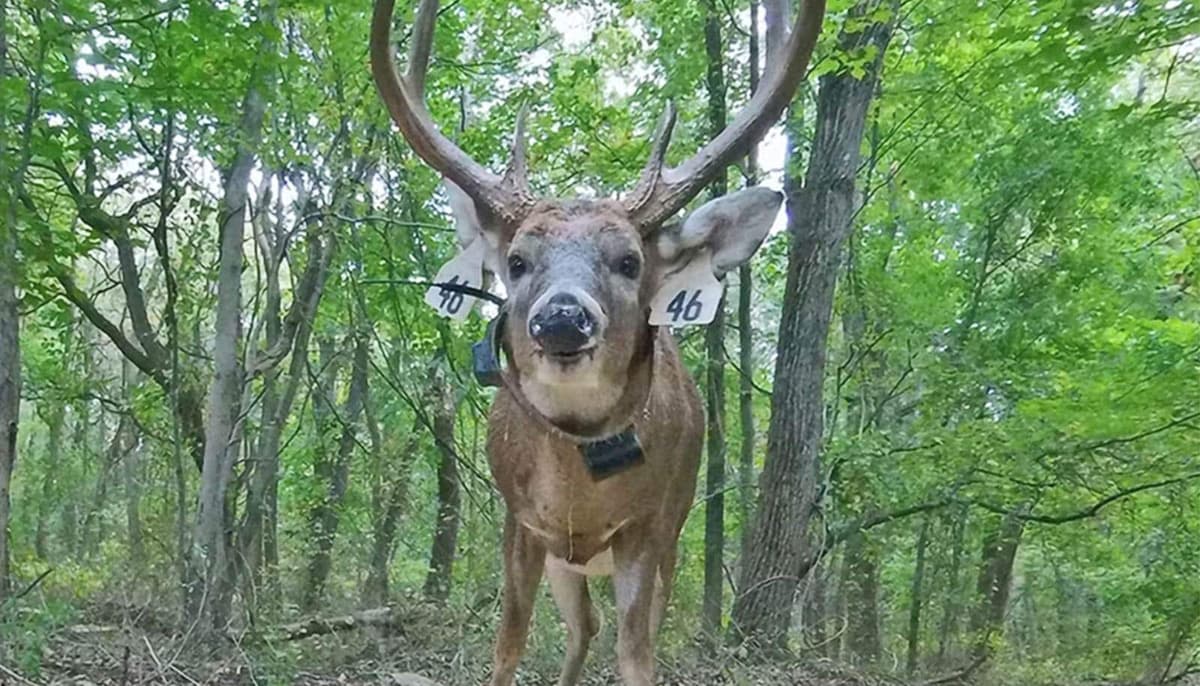
The presence of people affects how animals behave
Comments
Want to join the conversation?
Loading comments...