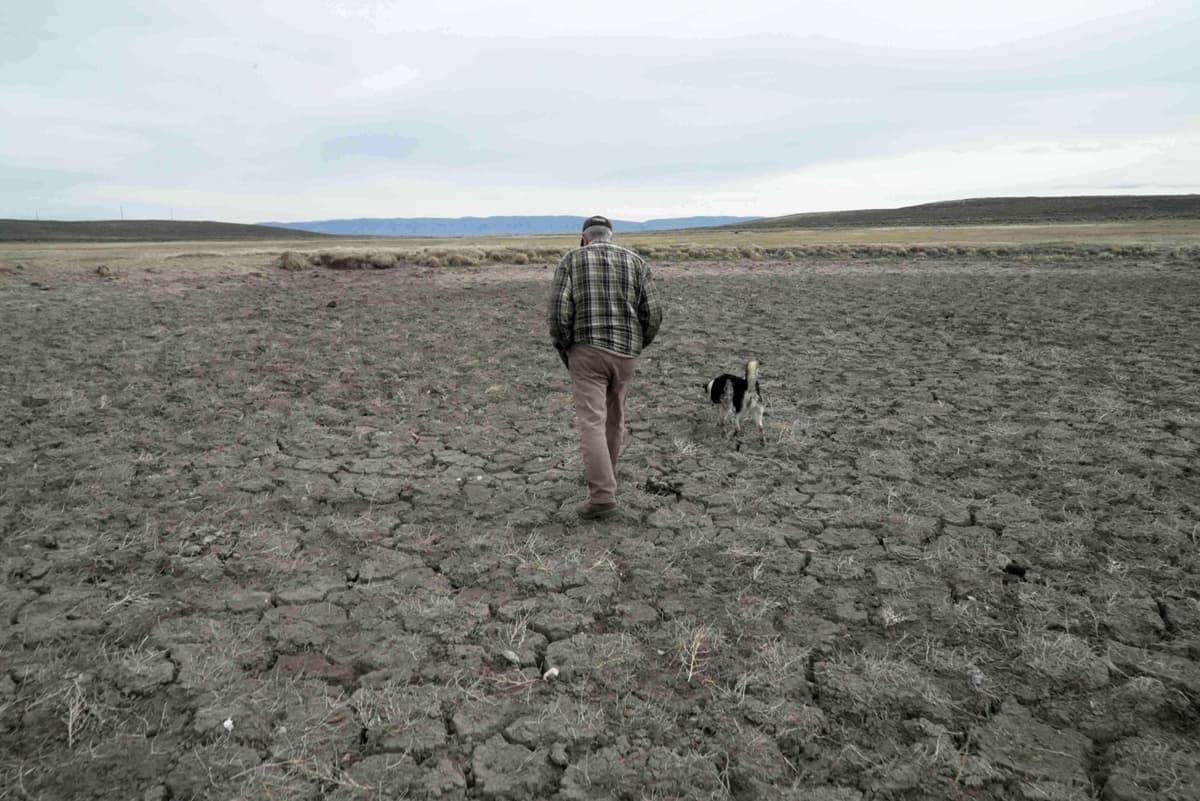
The Record-Setting U.S. Drought Is so Bad that 97% of the Southeast and Two-Thirds of the West Are Parched
Why It Matters
The unprecedented dryness threatens critical water infrastructure, fuels a heightened wildfire season, and could depress crop output, sending ripple effects through the U.S. economy and global food markets.
Key Takeaways
- •61% of contiguous U.S. in moderate to exceptional drought
- •Southeast at 97% drought, West at two‑thirds
- •Palmer Index March highest since 1895, third‑driest month ever
- •Vapor pressure deficit 77% above normal, boosting fire risk
- •Over a foot of rain needed to end Southeast deficit
Pulse Analysis
The current drought is the most severe for this time of year since the U.S. Drought Monitor began in 2000, covering more than half the nation. A confluence of record heat, a stalled jet stream, and diminished snowpack in the West has driven the Palmer Drought Severity Index to its March peak, a level not seen since the Dust Bowl era. Scientists point to an unprecedented vapor pressure deficit—77% above normal—as a key metric that quantifies how aggressively the atmosphere is extracting moisture from soils, setting the stage for an aggressive fire season.
Wildfire managers are already sounding alarms as the dry spell coincides with early vegetation growth, creating tinderbox conditions across the West and the Southeast. Reservoirs that rely on winter snowpack, especially those feeding the Colorado River, sit well below capacity, prompting concerns over water allocations for agriculture, municipalities, and hydroelectric power. In Arizona, early‑blooming cacti signal ecological stress, while water officials scramble for contingency plans. The heightened fire risk also threatens property values and insurance markets, as each degree of warming compounds fire intensity exponentially.
Beyond immediate hazards, the drought poses a systemic risk to U.S. food production. Analysts estimate that the Southeast would need more than a foot of rain to offset the moisture deficit, a threshold unlikely to be met before planting season. A poor harvest could lift commodity prices domestically and abroad, especially as a strong El Niño looms, which historically suppresses yields in other major grain‑producing regions. Policymakers face pressure to accelerate climate‑resilient water management, invest in drought‑tolerant crops, and reinforce supply‑chain buffers to mitigate the broader economic fallout.
The record-setting U.S. drought is so bad that 97% of the Southeast and two-thirds of the West are parched
Comments
Want to join the conversation?
Loading comments...