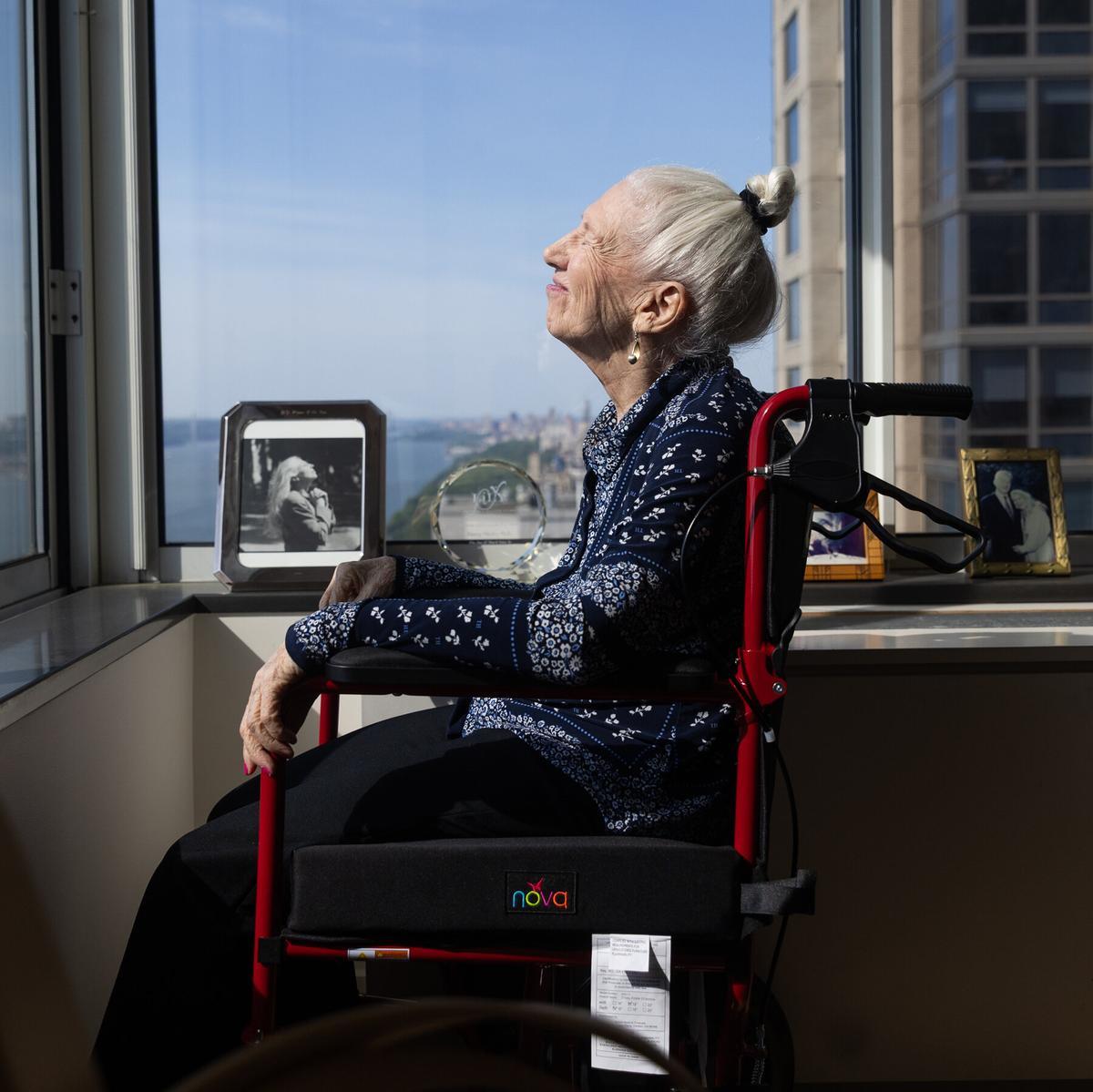
The Researcher Who Didn’t Want to Know
Why It Matters
The gene discovery and diagnostic test transformed Huntington’s risk assessment, accelerating research and empowering families to make informed health decisions. Wexler’s dual role as patient and scientist highlights the vital perspective of lived experience in shaping biomedical innovation.
Key Takeaways
- •Wexler’s Venezuelan field study identified the Huntington’s disease gene.
- •Discovery enabled first genetic blood test for at‑risk individuals.
- •Wexler received a Lasker Award for her contributions to genetics.
- •At 80, she continues advocacy despite severe Huntington’s symptoms.
Pulse Analysis
The hunt for the Huntington’s disease gene began in the 1970s, but it was Nancy Wexler’s perseverance in the remote Venezuelan town of Maracaibo that finally cracked the code. By mapping the genetic marker in a large, isolated population, her team isolated the HTT mutation, a breakthrough that not only earned a Lasker Award but also set a template for studying other neurodegenerative disorders. This discovery paved the way for a simple blood test, allowing individuals with a family history to learn their genetic status decades before symptoms appear.
Beyond the scientific triumph, the diagnostic test reshaped the ethical landscape of predictive genetics. Counselors now grapple with the psychological impact of knowing one’s fate, while insurers and policymakers debate coverage and discrimination protections. Wexler’s personal journey—living with the disease she helped decode—adds a poignant human dimension, underscoring the urgency of translating genetic insight into therapeutic interventions. Her advocacy has spurred increased funding for gene‑silencing trials and CRISPR‑based approaches aimed at halting disease progression.
Looking ahead, the field is poised for a new era of precision medicine, with gene‑editing technologies and antisense oligonucleotides entering clinical trials. Wexler’s memoir offers a roadmap for integrating patient experience into research pipelines, ensuring that future cures address both molecular targets and quality‑of‑life concerns. As the scientific community builds on her legacy, the hope of a disease‑modifying therapy moves closer to reality, promising profound implications for families worldwide.
The Researcher Who Didn’t Want to Know
Comments
Want to join the conversation?
Loading comments...