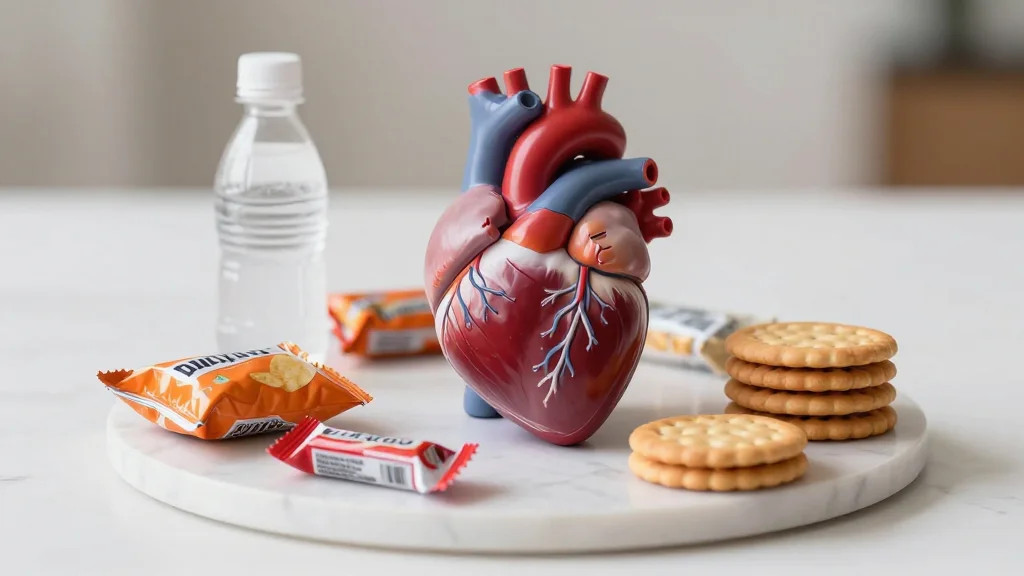
The Role of microRNAs in Cardiovascular Disease Associated with the Consumption of Ultra-Processed Foods: A Comprehensive Review
Why It Matters
Understanding the UPF‑miRNA/EV axis provides a molecular bridge between modern diets and atherosclerosis, opening pathways for early diagnostics and novel therapeutics in cardiovascular care.
Key Takeaways
- •UPF intake correlates with higher CVD risk across multiple cohort studies
- •MicroRNAs regulate endothelial, smooth muscle, and immune pathways central to atherosclerosis
- •Extracellular vesicle‑carried miRNAs enable gut‑liver‑vascular communication under UPF stress
- •miR‑33, miR‑34a, and miR‑155 emerge as key diet‑responsive candidates
Pulse Analysis
Ultra‑processed foods now supply a large share of calories in many societies, and large prospective cohorts consistently link higher consumption to increased rates of myocardial infarction, stroke, and heart failure. While excess sodium, sugar, and unhealthy fats explain part of the risk, they do not capture the full spectrum of dietary insults such as additive exposure, matrix disruption, and microbiome alteration. Researchers therefore seek molecular mediators that translate these complex exposures into vascular pathology, and microRNAs have emerged as prime candidates because they can simultaneously modulate dozens of genes across endothelial, smooth‑muscle, and immune cells.
The review outlines how UPF‑driven inflammatory and oxidative signals—through pathways like TLR4/NF‑κB, AGE‑RAGE, and JAK/STAT—reprogram intracellular miRNA expression, favoring pro‑atherogenic species such as miR‑21, miR‑33, miR‑34a, and miR‑155 while suppressing protective miR‑126 and miR‑143/145. Crucially, many of these miRNAs are packaged into extracellular vesicles, allowing distant organs to exchange regulatory information. Gut‑derived EVs can carry stress‑induced miRNAs to the liver and adipose tissue, which in turn release hepatic and adipose EVs that broadcast dyslipidemic and inflammatory cues to the arterial wall. This vesicle‑mediated network creates a systemic feed‑forward loop that sustains endothelial dysfunction, foam‑cell formation, and plaque instability.
From a translational perspective, circulating EV‑associated miRNAs offer a minimally invasive biomarker platform to gauge UPF exposure and early vascular injury. Moreover, therapeutic strategies that inhibit deleterious miRNAs (e.g., antagomiRs against miR‑33) or restore protective ones (e.g., miR‑126 mimics) are entering pre‑clinical testing, suggesting a path toward diet‑responsive precision medicine. Nonetheless, gaps remain: most evidence is pre‑clinical, and causal links between specific food additives and distinct miRNA signatures need rigorous validation. Future research should prioritize longitudinal human studies that integrate dietary assessment, EV‑miRNA profiling, and cardiovascular outcomes to move the UPF‑miRNA hypothesis from theory to clinical practice.
The role of microRNAs in cardiovascular disease associated with the consumption of ultra-processed foods: a comprehensive review
Comments
Want to join the conversation?
Loading comments...