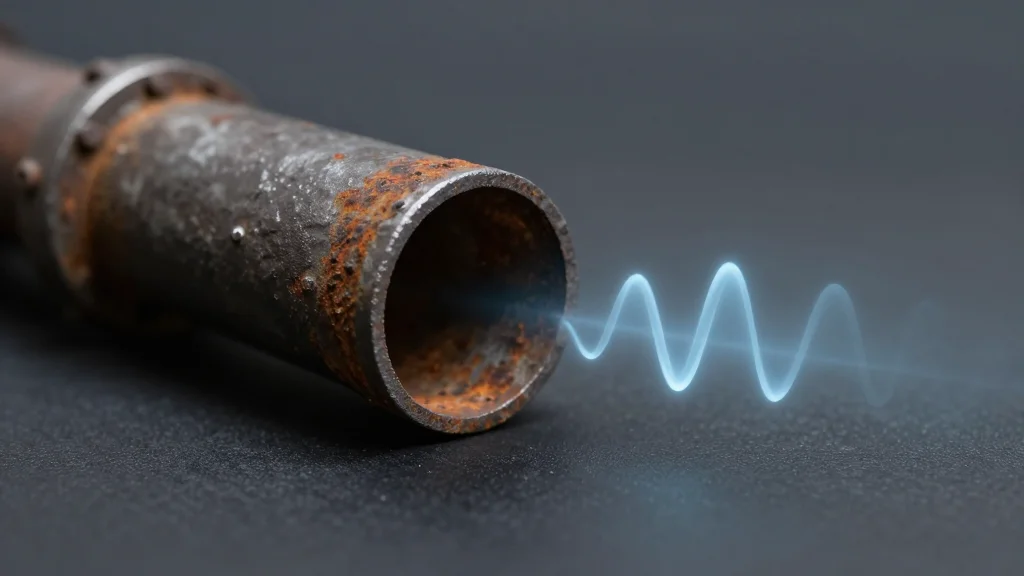
The Silent Frequency That Makes Old Buildings Feel Haunted

Why It Matters
The study reveals that everyday building vibrations can trigger measurable stress responses, informing architects, engineers, and mental‑health professionals about hidden environmental factors that affect occupant wellbeing.
Key Takeaways
- •Infrasound below 20 Hz raises irritability and cortisol levels.
- •Participants couldn't consciously detect infrasound, yet mood changed.
- •Effects were independent of music type or belief about exposure.
- •Study links building vibrations to perceived “haunted” sensations.
- •Findings may guide HVAC and pipe design to improve occupant wellbeing.
Pulse Analysis
Infrasound, the deep rumble below the human hearing threshold, is a by‑product of natural phenomena such as storms and tectonic activity, but it also emanates from the mechanical heartbeat of modern cities—aging plumbing, ventilation ducts, and heavy traffic. While the sound is inaudible, its presence has long been anecdotally linked to feelings of unease in historic structures, fueling ghost stories and paranormal investigations. Recent scientific scrutiny, however, has shifted the conversation from superstition to measurable physiological impact, positioning infrasound as an environmental stressor worth systematic study.
The MacEwan research team designed a straightforward yet rigorous experiment to isolate the effect of infrasound on human perception. Thirty‑six undergraduate volunteers entered sound‑proofed rooms and listened to either soothing instrumental pieces or horror‑styled ambient tracks. Hidden sub‑woofers emitted a steady 18 Hz tone in half the sessions, while participants remained unaware of its presence. Statistical analysis showed that subjects could not discern the infrasound condition beyond chance, yet they consistently reported greater irritability, rated the music as more melancholic, and exhibited a measurable rise in cortisol, the body’s primary stress hormone. Notably, these responses occurred regardless of the music’s emotional tone, indicating that the low‑frequency vibration itself, not the content of the soundtrack, drove the mood shift.
The implications extend beyond academic curiosity. Architects and facilities managers now have evidence that seemingly innocuous vibrations can degrade occupant comfort and potentially exacerbate stress‑related health issues. Proactive measures—such as retrofitting older pipework, installing vibration‑dampening mounts for HVAC units, and monitoring in‑situ acoustic spectra—could mitigate the subtle but real impact of infrasound. Moreover, the findings invite interdisciplinary collaboration between engineers, psychologists, and occupational health experts to develop standards that prioritize acoustic quality as a component of healthy building design. Future research may explore long‑term exposure effects and identify threshold levels that trigger adverse responses, paving the way for evidence‑based guidelines that keep both the ghosts and the stressors at bay.
The Silent Frequency That Makes Old Buildings Feel Haunted
Comments
Want to join the conversation?
Loading comments...