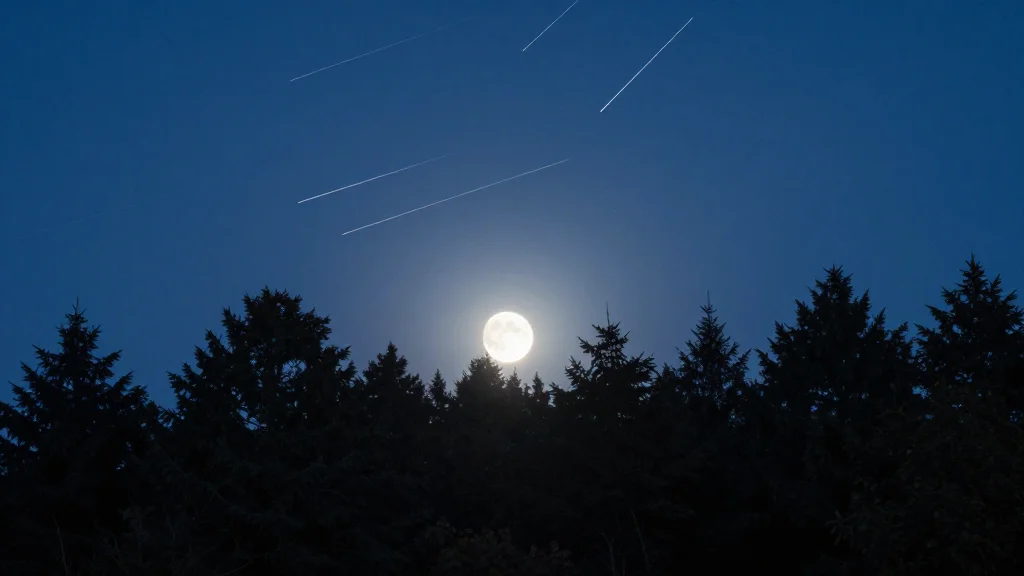
The Sky Today on Wednesday, May 6: The Eta Aquariid Meteor Shower Peaks
Why It Matters
The peak offers a prime, albeit moon‑affected, viewing opportunity for astronomers and tourism operators, driving interest in night‑sky activities and related commerce. Understanding the timing and conditions helps stakeholders maximize engagement and revenue from sky‑watching events.
Key Takeaways
- •Eta Aquariids peak May 6, visible before dawn despite gibbous Moon.
- •Up to 50 meteors per hour under dark skies, speed 40 mph (65 km/s).
- •Radiant rises >20° in eastern Aquarius an hour before sunrise.
- •Halley's Comet debris also creates October Orionid shower with similar moonlight.
- •Moonrise at 12:12 AM, moonset 9:01 AM, reducing viewing conditions.
Pulse Analysis
The Eta Aquariid meteor shower, a byproduct of Halley’s Comet, delivers one of the fastest meteor streams each May. While the waning gibbous Moon will cut the visual count, early‑morning observers still stand a good chance of spotting bright, high‑velocity fireballs as the Earth sweeps through the comet’s dust trail. Positioning yourself with the radiant over 20 degrees in the east, roughly an hour before sunrise, maximizes the odds of a clear sighting despite the moon’s glare.
Beyond the pure astronomical appeal, the shower presents a seasonal boost for local economies that cater to sky‑watching enthusiasts. Tour operators, planetariums, and outdoor gear retailers often see a surge in bookings and sales when meteor peaks are announced. By promoting guided viewing events and leveraging mobile apps that provide real‑time cloud and light‑pollution data, businesses can attract both hobbyists and casual observers, translating celestial events into measurable revenue streams. The Eta Aquariids also serve as a reminder of the enduring public fascination with Halley’s Comet, whose twin shower, the Orionids, will repeat the pattern later in the year.
Looking ahead, advances in satellite imaging and predictive modeling are refining how we forecast meteor activity and moon interference. These tools enable more precise communication of optimal viewing windows, helping enthusiasts plan trips and businesses allocate resources efficiently. As climate variability influences cloud cover patterns, integrating weather analytics with astronomical data will become increasingly vital for sustaining the growth of the night‑sky tourism sector.
The Sky Today on Wednesday, May 6: The Eta Aquariid meteor shower peaks
Comments
Want to join the conversation?
Loading comments...