The Space Station’s Past and Future Converge at ASCEND 2026
Companies Mentioned

Why It Matters
It signals intensified commercial investment in low‑Earth‑orbit research while rallying the community to safeguard the ISS’s scientific and cultural heritage before its retirement.
Key Takeaways
- •Orbital Edge Accelerator offers $500k‑$750k funding to early‑stage space startups
- •Accelerator includes Sentinel and Disrupt tracks for dual‑use tech and in‑space manufacturing
- •ISS National Lab showcases microgravity research impacting cancer therapies and bio‑printed tissues
- •Smithsonian sessions aim to preserve ISS artifacts before planned deorbit
- •ASCEND 2026 unites researchers, entrepreneurs, museums to shape sustainable space economy
Pulse Analysis
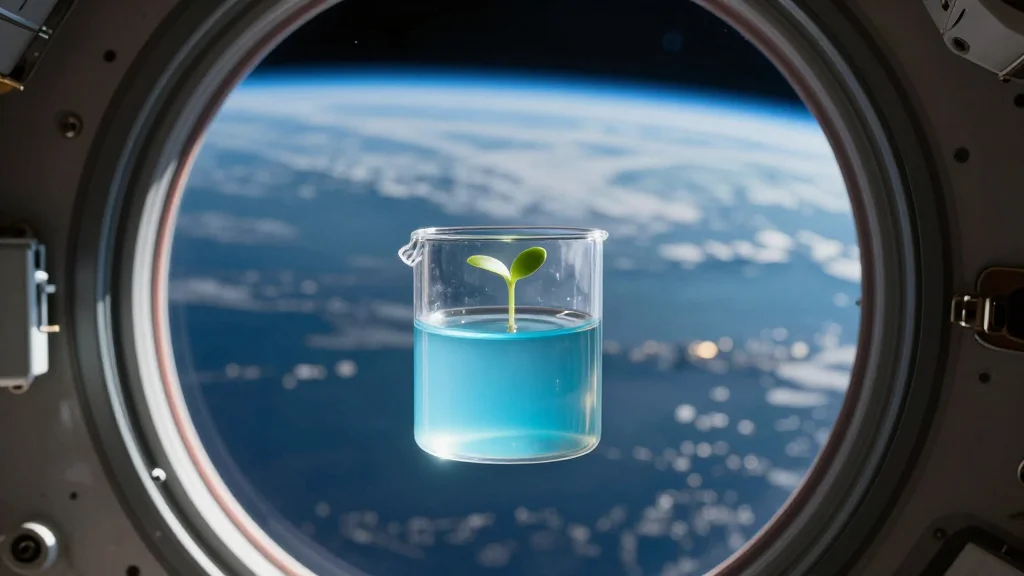
ASCEND 2026 has become the premier forum for translating the International Space Station’s 26‑year legacy into tangible commercial and scientific outcomes. The ISS National Laboratory’s full‑day agenda will feature a dense lineup of technical papers, panel discussions, and a "Space Research for a Healthier Future" session that highlights how microgravity experiments are accelerating cancer therapeutics, bio‑printed tissue development, and other health‑focused breakthroughs. By gathering academia, industry, and government under one roof, the event underscores the station’s role as the world’s only continuously operating microgravity platform and a catalyst for a sustainable space economy.
At the heart of the commercial push is the Orbital Edge Accelerator, a one‑of‑a‑kind program that grants early‑stage startups between $500,000 and $750,000 in private capital, mentorship, and business‑building support. The accelerator splits into two tracks: Sentinel, which targets dual‑use space technologies, and Disrupt, focused on in‑space manufacturing and space‑biology applications. Participants also compete for a Boeing‑sponsored, non‑dilutive prize of up to $1 million, creating a pipeline that could fast‑track innovative concepts from concept to orbit. This infusion of capital and expertise is expected to broaden the LEO ecosystem, attract venture interest, and generate downstream markets ranging from satellite servicing to on‑orbit production.
Parallel to the forward‑looking agenda, the Smithsonian’s National Air and Space Museum is leveraging ASCEND to orchestrate a strategic effort to preserve the ISS’s heritage before its planned deorbit. Curators are identifying hardware, oral histories, and everyday artifacts—such as the station’s ship’s bell and crew “kitchen‑table” items—to populate the upcoming "At Home in Space" exhibit slated for October. By documenting both the scientific milestones and the human experience of living in orbit, the museum aims to embed the ISS’s story in the public consciousness, ensuring that future generations understand its dual identity as a laboratory and a lived‑in home in low Earth orbit.
The Space Station’s Past and Future Converge at ASCEND 2026
Comments
Want to join the conversation?
Loading comments...