The Stunning Underwater World That’s at Risk as the Iran War Drags On
Why It Matters
The environmental damage threatens a biodiversity hotspot that underpins regional tourism, fisheries and climate‑change research, while also amplifying geopolitical instability in a vital global shipping lane.
Key Takeaways
- •2,000 vessels hold ~21 bn liters of oil in Gulf.
- •Oil leaks threaten Hormuz coral reefs and marine mammals.
- •Hormuz hosts world’s toughest corals, key climate‑change research.
- •Ongoing conflict risks tourism and regional fisheries.
Pulse Analysis
The Strait of Hormuz sits at the crossroads of geopolitics and ecology, a narrow passage that channels a staggering volume of oil traffic. Since the war began, more than 2,000 ships have been trapped, collectively carrying about 21 billion liters of crude. Continuous monitoring by groups like Greenpeace has documented recurring oil slicks, including a persistent leak from the Iranian vessel Shahid Bagheri. These spills not only jeopardize navigation safety but also introduce toxic hydrocarbons into a marine corridor already stressed by military activity.
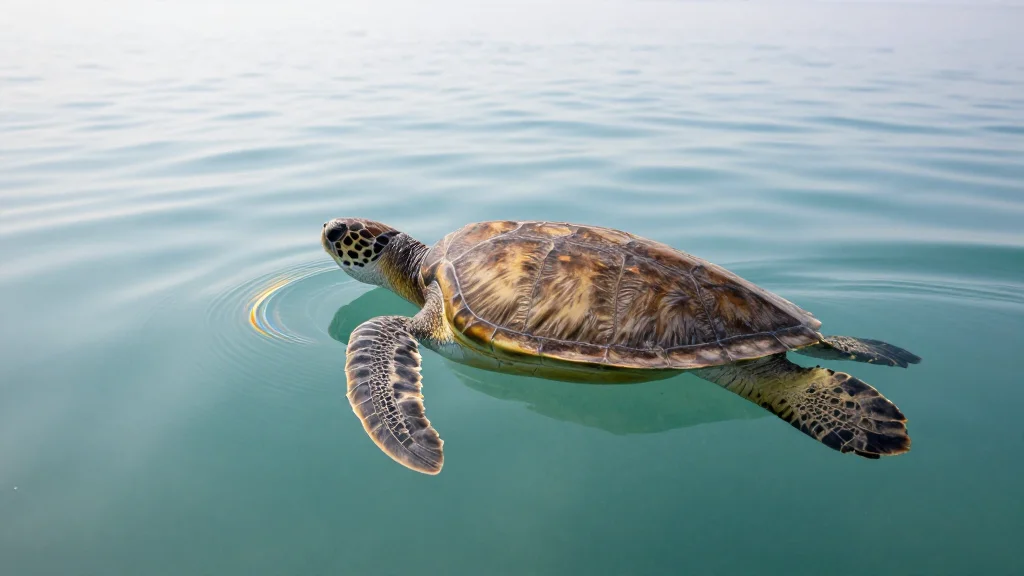
Ecologically, Hormuz is a rare transition zone where cool Gulf‑of‑Oman currents meet the warm, highly saline Persian Gulf, fostering the region’s most diverse coral cover. The reefs, especially on the Iranian side, have adapted to extreme temperature swings and salinity, making them valuable models for studying coral resilience under climate change. The area supports a vibrant food web—from plankton blooms to migratory whale sharks—and underpins lucrative scuba‑diving, dolphin‑watching, and sea‑turtle nesting tourism in Oman’s Musandam Governorate. Local fisheries also depend on the reef’s productivity, linking environmental health directly to regional economies.
The threat of oil contamination magnifies these stakes. Crude compounds can impair marine animals’ cardiovascular and nervous systems, reducing their ability to hunt, evade predators and reproduce. Such physiological stress can cascade, destabilizing predator‑prey dynamics and eroding reef biodiversity. For scientists, the Hormuz corals offer a living laboratory for climate‑adaptation research; for policymakers, the escalating ecological risk adds urgency to diplomatic efforts aimed at de‑escalating hostilities and safeguarding a critical marine habitat that serves both global commerce and environmental stewardship.
The stunning underwater world that’s at risk as the Iran war drags on
Comments
Want to join the conversation?
Loading comments...