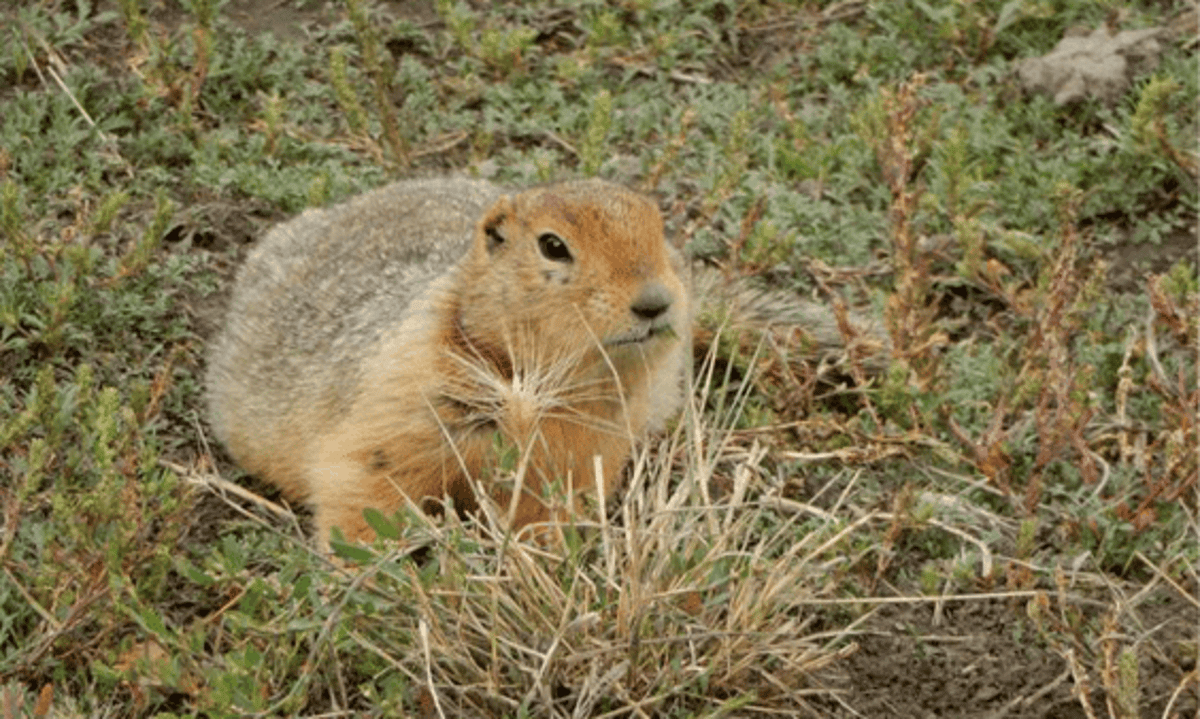
The Surprising Things You Find Digging Through Frozen Prehistoric Squirrel Poop
Why It Matters
The discovery provides a high‑resolution genetic chronicle of Beringian environments, enabling better models of climate‑driven ecosystem change and species migration patterns.
Key Takeaways
- •Over 200 plant and animal DNA types recovered
- •Droppings span 30,000 to 700,000 years ago
- •Ancient squirrels linked genetically to Siberian relatives
- •Coprolites preserve detailed Beringian ecosystem snapshots
- •Data can refine models of past climate‑driven changes
Pulse Analysis
Permafrost thaw in the Canadian Yukon is doing more than exposing ancient bones; it is unlocking microscopic time capsules that can rewrite our understanding of the Ice Age. Frozen ground‑squirrel droppings, or coprolites, have emerged as an unexpected gold mine of ancient DNA. Unlike larger fossils that often preserve only skeletal fragments, these tiny pellets contain the genetic remnants of everything the squirrels ate—plants, insects, fungi, and even carrion—offering a comprehensive snapshot of the surrounding ecosystem at the moment they were deposited.
The scientific payoff is substantial. By sequencing DNA from the coprolites, researchers identified genetic material from over 200 plant taxa and megafauna such as mammoths, horses, bison, caribou and wolves. Moreover, the squirrels themselves belong to a distinct lineage whose closest living relatives now reside in Siberia, confirming long‑standing hypotheses about faunal exchange across the Bering Land Bridge. This level of detail allows paleoecologists to map vegetation zones, track predator‑prey dynamics, and pinpoint migration routes with unprecedented precision, filling gaps left by traditional fossil records.
Beyond academic curiosity, the findings have practical implications for climate science and conservation. A robust genetic baseline of past ecosystems helps calibrate models that predict how current warming trends may reshape northern habitats. As more permafrost sites yield coprolite libraries, scientists anticipate uncovering additional surprises—potentially new species or previously unknown ecological interactions. The Yukon study demonstrates that even the smallest remnants can become pivotal tools for anticipating future biodiversity challenges in a rapidly changing world.
The Surprising Things You Find Digging Through Frozen Prehistoric Squirrel Poop
Comments
Want to join the conversation?
Loading comments...