
Why It Matters
Bose’s pioneering bio‑electric measurements challenge conventional views of plant biology and underpin a growing field that could reshape agriculture, biotechnology, and our understanding of ecosystem intelligence.
Key Takeaways
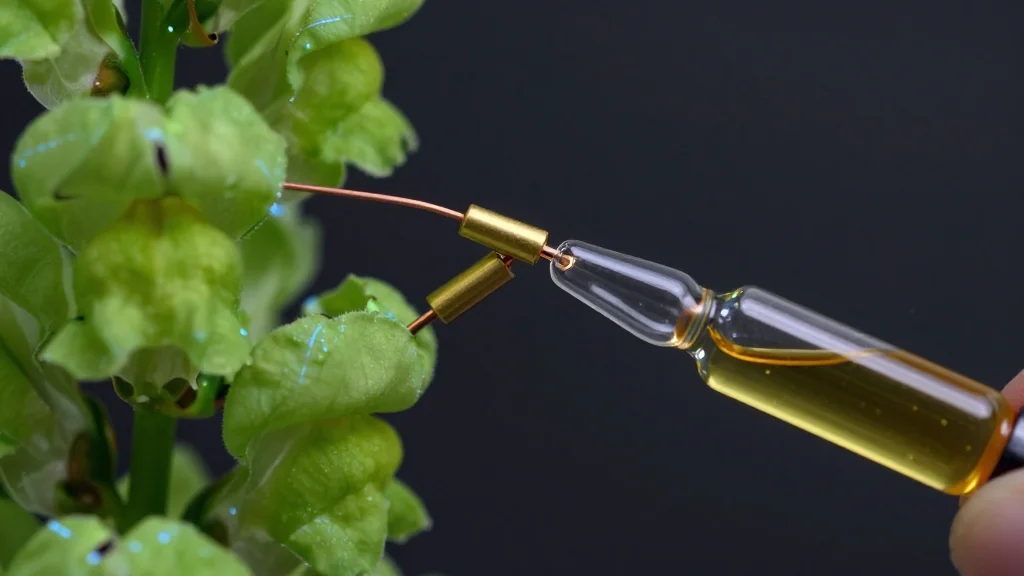
- •Bose recorded electrical signals from snapdragon, likening them to a heartbeat
- •His 1926 demonstrations sparked debate, dividing scientists into 'Bosephiles' and 'Bosephobes'
- •Modern plant neurobiology traces its roots to Bose’s early 20th‑century work
- •Bose’s instruments outperformed contemporary European devices, enabling minute bio‑electric measurements
- •The controversy highlighted tension between mechanistic biology and vitalist worldviews
Pulse Analysis
Jagadish Chandra Bose’s 1926 public experiments marked a watershed moment in the study of plant physiology. By adapting custom‑built galvanometers and sensitized plates, he captured minute electrical fluctuations in snapdragon stems, interpreting them as a rhythmic "heartbeat" and sap circulation akin to animal blood flow. This level of precision was unprecedented at a time when European laboratories relied on bulkier, less sensitive equipment, positioning Bose as a technological innovator as well as a visionary thinker.
The immediate reaction was polarizing. While luminaries such as Albert Einstein and Lord Kelvin praised his ingenuity, entrenched physiologists dismissed his conclusions as speculative mysticism, coining the terms Bosephile and Bosephobe. The Royal Society’s refusal to publish his plant‑response papers for a decade exemplified the broader clash between mechanistic, reductionist biology and the vitalist perspective Bose embodied. Decades later, the revival of his ideas through the emerging discipline of plant neurobiology demonstrates how once‑controversial data can seed new scientific paradigms when methodological tools catch up.
Today, researchers leverage advanced electrophysiology, optogenetics, and AI‑driven imaging to explore plant signaling networks, echoing Bose’s original premise that plants possess a form of nervous communication. Understanding these pathways promises breakthroughs in crop resilience, sustainable farming, and bio‑inspired computing. Bose’s legacy thus serves as a reminder that interdisciplinary curiosity—bridging physics, biology, and philosophy—can unlock insights that reshape entire industries.
The Thinking Plant's Man (2025)
Comments
Want to join the conversation?
Loading comments...