The Timing of Schedule-Induced Behavior
Why It Matters
Understanding how timing influences induced behaviors bridges a gap between automatic and goal‑directed actions, informing models used in psychology, pharmacology, and AI‑driven behavior design.
Key Takeaways
- •SID persists despite early lick‑contingent delays
- •Signals increase licking via marking effect
- •Water restriction shifts SID onset to accessible periods
- •Displacement shows operant-like timing mechanisms
- •Findings bridge induced and explicit operant behavior
Pulse Analysis
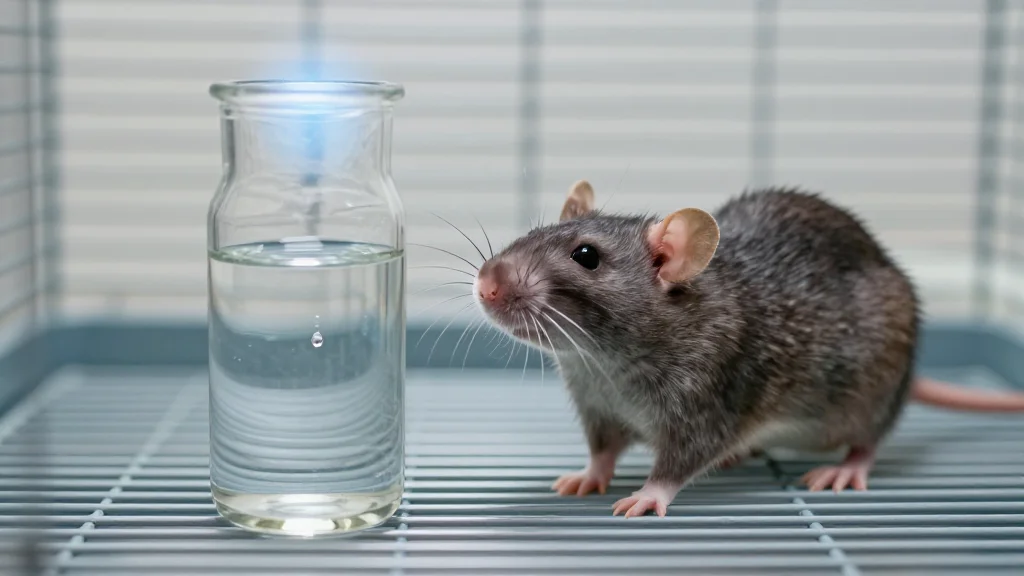
Schedule‑induced drinking (SID) is a classic example of a behavior that emerges without a direct response‑reinforcer link, typically surfacing right after intermittent food pellets. In the first experiment, researchers introduced unsignaled lick‑contingent delays during the early seconds of the inter‑food interval, expecting the rats to postpone their drinking. The delays proved ineffective; instead, a later introduced signal acted as a temporal marker, actually increasing licking rates. This marking effect highlights how subtle cues can amplify rather than suppress induced actions.
The second experiment altered the temporal landscape by restricting water access for the first 5, 10, or 20 seconds after each pellet. When water became available, rats immediately engaged in SID, indicating that the behavior can be displaced to later windows when earlier periods are unavailable. Repeating the phases confirmed that the rats retained this shifted timing, suggesting that SID can adopt operant‑like temporal control. These findings support a hybrid model where reinforcement history and induced timing jointly shape behavior, offering a nuanced view of how animals—and by extension humans—schedule actions in uncertain environments.
For industry, the implications are twofold. In drug development, timing of side‑effects or compulsive behaviors may be modulated by environmental cues, informing better dosing schedules and behavioral interventions. In artificial intelligence, incorporating timing mechanisms akin to SID could improve reinforcement‑learning algorithms, making them more resilient to ambiguous reward structures. Ultimately, recognizing that induced behaviors can be strategically displaced opens avenues for therapeutic strategies targeting maladaptive habits, from addiction to overeating, by manipulating temporal cues and access windows.
The timing of schedule-induced behavior
Comments
Want to join the conversation?
Loading comments...