Why It Matters
The findings signal a looming threat to global food security and expose a massive occupational health crisis, urging policymakers to integrate climate adaptation with worker safety measures.
Key Takeaways
- •Brazil's soy and corn yields dropped amid 2024 heat wave.
- •FAO‑WMO report warns 250 days/year too hot for outdoor work by 2100.
- •Heat stress cut Indian wheat yields up to 34% and milk 15%.
- •2.4 billion agricultural workers face high‑risk heat exposure worldwide.
- •Report urges climate‑smart crops, but offers few labor‑protection steps.
Pulse Analysis
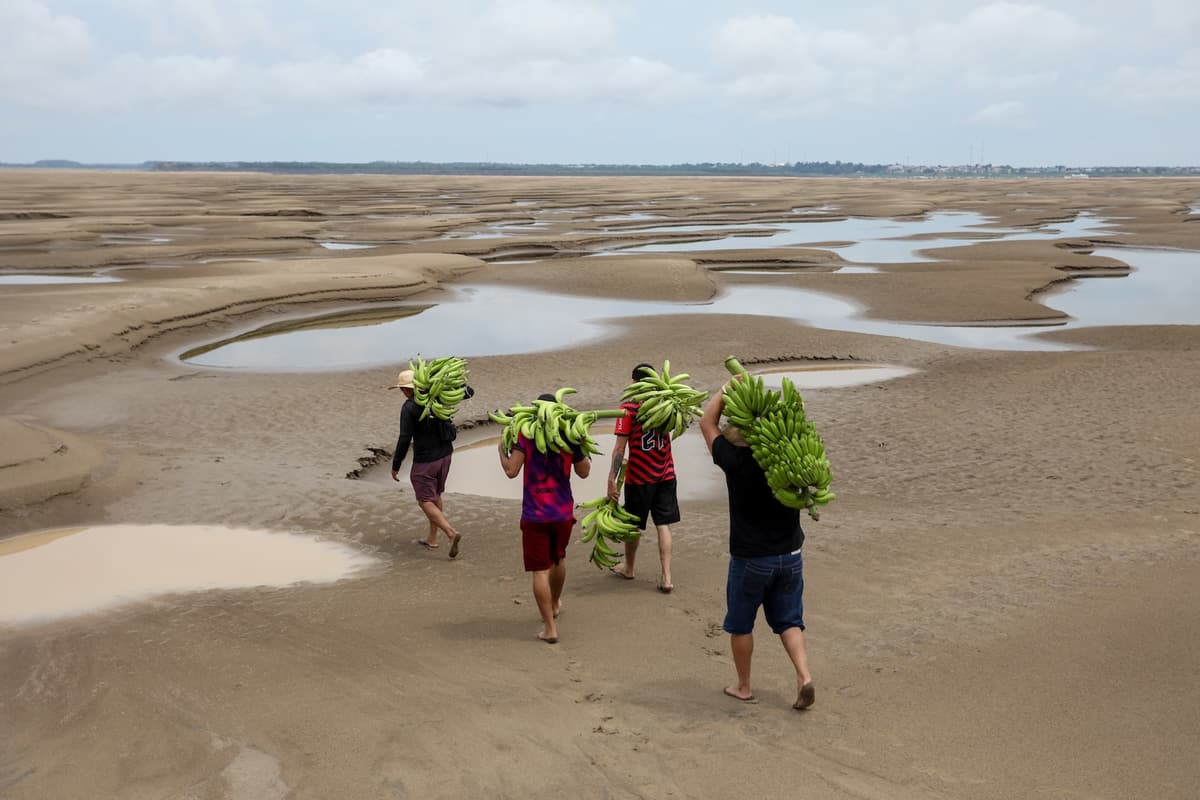
The newly released 94‑page FAO‑WMO assessment marks a watershed moment in climate‑agriculture research. By merging meteorological data with crop and livestock statistics, the report delivers a granular view of how Brazil’s unprecedented April‑May heat dome slashed soy and corn outputs, while also disrupting shrimp supply chains after flood‑induced damage. Brazil serves as the sole country‑level deep‑dive, but the study extrapolates its lessons to a dozen other nations, underscoring that extreme heat is no longer an episodic event but a baseline condition reshaping global food production.
Across continents, the report catalogues similar shocks: Chile’s 2016 marine heat wave wiped out an estimated 100,000 metric tons of farmed salmon, the Pacific Northwest lost entire raspberry and blackberry harvests in 2021, and India’s 2022 heatwave trimmed wheat yields by up to 34% while curbing dairy output 15%. These disruptions compound existing supply‑chain vulnerabilities and elevate price volatility for staple commodities. Moreover, the International Labour Organization estimates that more than 70% of the world’s workforce—about 2.4 billion people—faces heightened health risks, a figure that could swell as climate models project up to 250 unbearably hot days per year in key agricultural regions by 2100.
Policymakers now confront a dual imperative: accelerate climate‑smart agronomy—such as heat‑tolerant seed varieties, precision irrigation and early‑warning systems—while simultaneously fortifying labor protections. The report’s recommendations focus heavily on crop and ecosystem adaptations, leaving a notable gap in actionable guidance for outdoor workers. Bridging this divide will require coordinated financing, stronger international labor standards, and a holistic approach that treats food security and worker safety as inseparable pillars of a resilient agricultural system.
The world is getting too hot to feed itself
Comments
Want to join the conversation?
Loading comments...