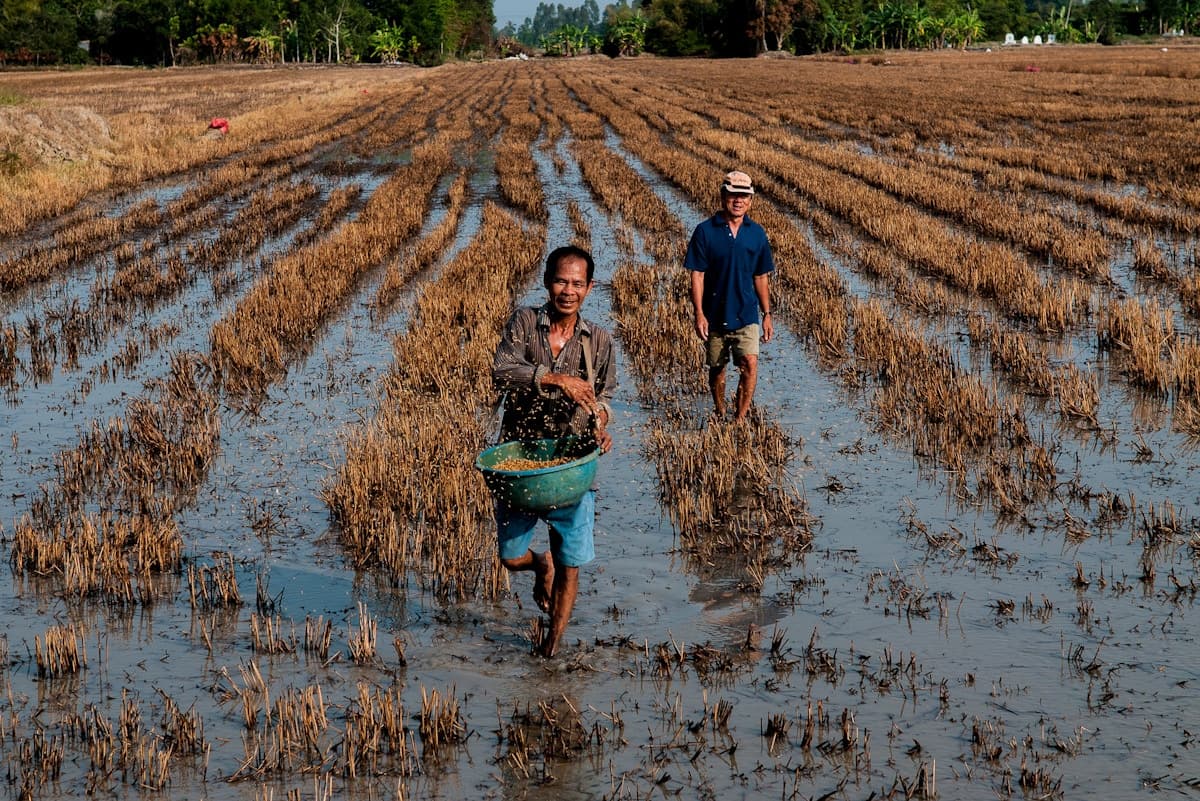
The World’s Great Deltas Are Sinking, Threatening Global Food Supplies
Why It Matters
Deltas generate about 4% of the world’s food on just 0.5% of land; their disappearance would destabilize global food supplies and force massive population displacement, creating economic and geopolitical shocks.
Key Takeaways
- •40 major deltas losing elevation; 19 subsiding faster than sea rise
- •Mekong sediment delivery cut by >90% due to 745 dams
- •Over 50% of Mekong Delta already sinking; 90% could vanish by 2100
- •Groundwater extraction and sand mining accelerate subsidence across Asian deltas
- •Restoring natural floodplain sediment is the only viable delta‑rebuilding solution
Pulse Analysis
The world’s river deltas are the linchpins of modern agriculture, producing roughly four percent of global food on a fraction of the planet’s surface. A high‑resolution satellite study published in Nature this year mapped vertical land movement across 40 major deltas, exposing a pervasive “double burden” of sea‑level rise and land subsidence. The findings underscore that deltas, from the Mekong to the Nile, are losing elevation at rates that often outpace the ocean’s rise, jeopardizing the fertile soils that sustain billions.
In Southeast Asia, the Mekong Delta illustrates the crisis. Dams—745 already built or under construction—trap up to 96% of the sediment that once replenished the delta, while sand mining extracts an estimated 54 million metric tons of material each year. Groundwater pumping for irrigation further compacts the alluvial substrate, deepening the river channel by several metres over two decades. The combined effect is a rapid drop in land elevation; more than half of the delta is already sinking, and projections suggest that 90% could be submerged by 2100, threatening Vietnam’s rice exports and the livelihoods of 20 million people.
The good news is that subsidence is a human‑driven process that can be mitigated. Restoring natural floodplain connectivity, curbing groundwater extraction, and regulating sand mining can slow or even halt land loss. For investors and policymakers, the stakes are clear: protecting deltas safeguards food security, stabilizes coastal economies, and reduces future migration pressures. Incorporating delta health into corporate risk assessments and national development plans is no longer optional—it is essential for long‑term resilience.
The world’s great deltas are sinking, threatening global food supplies
Comments
Want to join the conversation?
Loading comments...