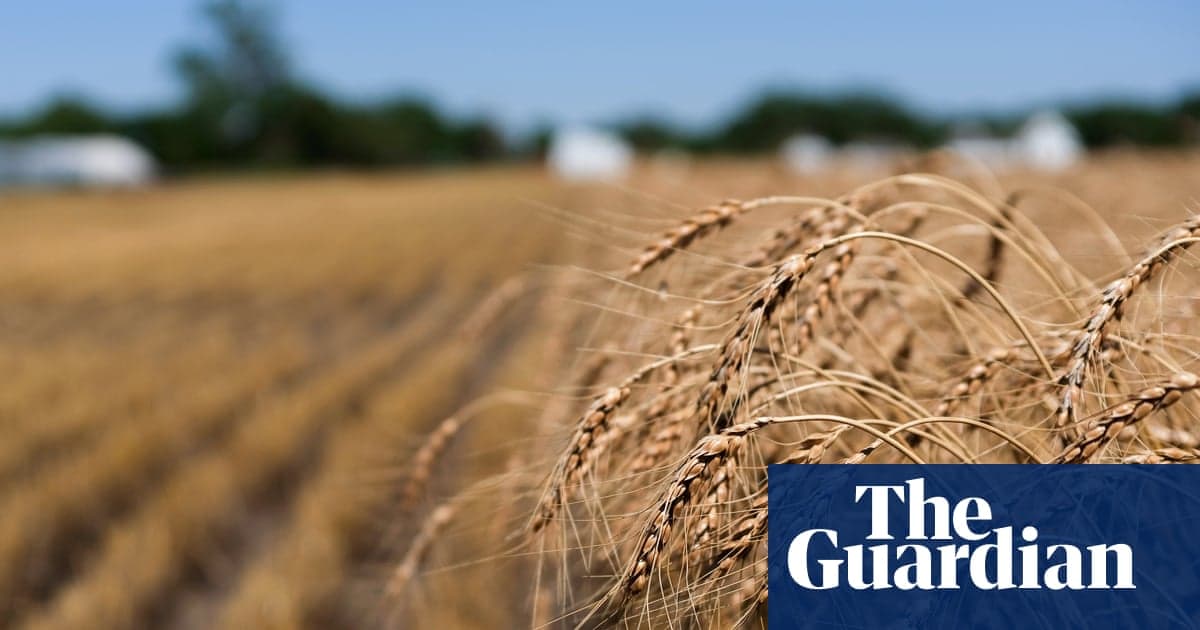
‘The Worst Time for Wheat’: US Farmers Face Losses to Extreme Heat and Drought
Companies Mentioned

Bloomberg
Why It Matters
The sharp production drop threatens farm incomes, pushes wheat prices higher, and underscores climate‑driven volatility in a staple commodity essential to food security and export markets.
Key Takeaways
- •Kansas wheat yields projected 200‑220 M bushels, 30% below average
- •Temperatures 10‑11°F above normal drove severe drought in Great Plains
- •USDA expects US wheat production down ~15% from previous year
- •Farmers abandoning fields; insurance estimates as low as two bushels/acre
Pulse Analysis
The Great Plains have long been the breadbasket for America’s hard‑red winter wheat, a crop prized for its resilience. Yet the 2025‑26 season broke that reputation as a combination of an unusually warm, dry winter and erratic spring temperatures triggered a severe drought. Meteorologists recorded March temperatures 10‑11°F above normal, setting the stage for moisture stress that ripened early and left the wheat vulnerable to sudden freezes. This climatic anomaly is a textbook illustration of how rising global temperatures amplify extreme weather events, directly threatening staple grain production.
Farmers on the ground are feeling the impact. In north‑central Kansas, veteran grower Merrill Nielsen saw his 2,500‑acre wheat field reduced to a projected two bushels per acre, prompting a decision to terminate the crop entirely. Similar stories echo across Oklahoma and Colorado, where USDA’s weekly crop‑condition reports rate nearly half of the wheat as very poor. The aggregate effect is a projected national output decline of roughly 15% versus the previous year, translating to a shortfall of about 100 million bushels. While last year’s bumper harvest provides a temporary buffer for domestic supply and export commitments, the reduced acreage and lower yields are already nudging wheat futures upward and tightening margins for grain elevators.
Beyond immediate market ripples, the episode raises strategic questions for U.S. agriculture. Persistent heat spikes and erratic precipitation challenge traditional planting calendars, pushing growers to reconsider crop rotations, invest in drought‑resilient varieties, and adopt precision‑irrigation technologies. Policymakers may need to revisit crop‑insurance frameworks and support research into climate‑adapted wheat strains. As climate change continues to reshape the risk landscape, the Great Plains’ wheat crisis serves as a warning that even historically robust commodities are not immune, prompting a broader industry shift toward resilience and sustainability.
‘The worst time for wheat’: US farmers face losses to extreme heat and drought
Comments
Want to join the conversation?
Loading comments...