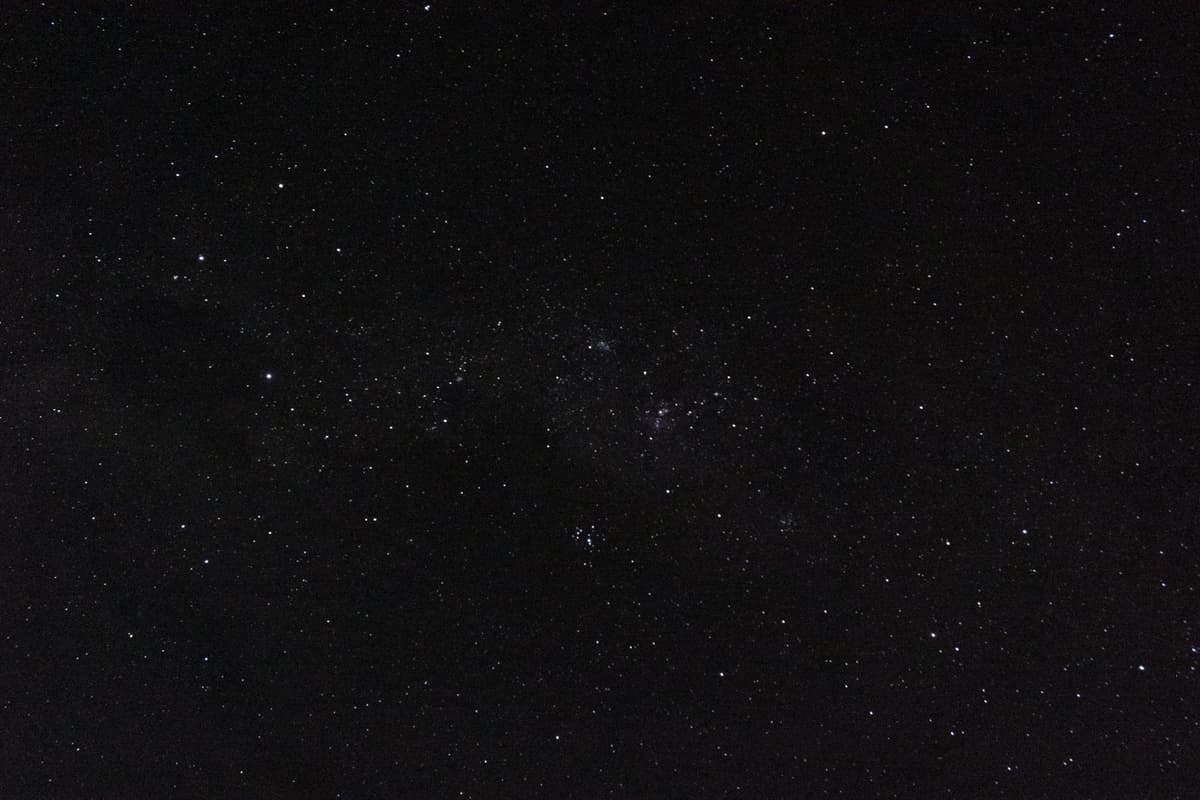
There Are More Stars in the Observable Universe than Grains of Sand on Every Beach on Earth, and the Visible Cosmos Is the Small Part — Most of It Is Moving Away Faster than Light Can Travel
Why It Matters
Understanding the limits of the observable universe reshapes how scientists model cosmic evolution and informs the long‑term fate of astronomical observations.
Key Takeaways
- •Observable universe contains ~10^22‑10^24 stars, far exceeding ~7.5×10^18 sand grains
- •New Hubble data suggests ~2 trillion galaxies, tenfold previous estimate
- •Cosmic horizon ~16 billion ly away; beyond it light never reaches us
- •Space expansion, not motion, allows recession speeds exceeding light without violating relativity
- •Unobservable universe likely hundreds of times larger, possibly infinite, remaining beyond detection
Pulse Analysis
The classic sand‑to‑star analogy captures public imagination, but the underlying calculations are far more nuanced. Astronomers estimate the star count by multiplying galaxy numbers—derived from deep‑field imaging—by average stellar populations per galaxy, then adjusting for faint dwarfs. A 2016 study led by Christopher Conselice expanded the known galaxy census to roughly two trillion, a tenfold jump that pushes the star total toward the upper bound of 10^24. This revision does not alter the amount of light we receive, but it underscores how much of the cosmos remains hidden behind observational limits.
Defining the "observable" universe hinges on the cosmological horizon: the farthest distance light could have traveled since the Big Bang, currently about 46.5 billion light‑years in comoving terms. Because space itself expands, objects beyond roughly 16 billion light‑years recede faster than photons can bridge the gap, establishing a permanent event horizon. This recession is a property of general relativity, not a violation of special relativity’s speed limit, and it means that an ever‑growing portion of the universe will forever stay out of causal contact with Earth.
The practical upshot for researchers is profound. As dark energy accelerates expansion, distant galaxies slip beyond the horizon, shrinking the future observable volume and erasing cosmological evidence over trillions of years. The unobservable sector may be hundreds of times larger—or infinite—implying that our models are built on a sample that is a vanishing minority of the whole. Recognizing this boundary reshapes theories of inflation, dark energy, and the ultimate destiny of the cosmos, reminding both scientists and the public that the universe’s grandeur extends far beyond what any telescope can ever see.
There are more stars in the observable universe than grains of sand on every beach on Earth, and the visible cosmos is the small part — most of it is moving away faster than light can travel
Comments
Want to join the conversation?
Loading comments...