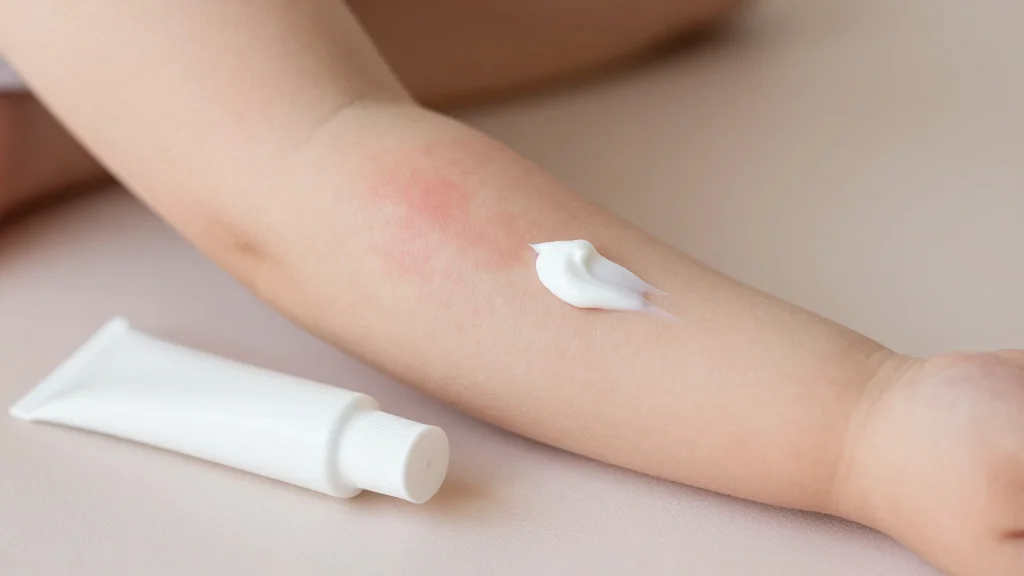
There Are No Good Ways to Avoid Childhood Eczema but Many Treatment Options, Say Researchers
Why It Matters
These guidelines clarify effective therapies and debunk ineffective prevention myths, helping clinicians allocate resources toward proven treatments and reducing unnecessary parental anxiety.
Key Takeaways
- •Moisturizers receive conditional recommendation for prevention in toddlers
- •Topical steroids remain first‑line therapy for eczema flares
- •Biologic drugs approved for moderate‑to‑severe pediatric eczema
- •Dietary changes and probiotics lack preventive evidence
- •Oral steroids discouraged except for severe acute flares
Pulse Analysis
The new AAD pediatric atopic dermatitis guidelines mark a pivotal shift from prevention hype to evidence‑based treatment. While up to 25% of children worldwide develop eczema, large‑scale studies have repeatedly shown that interventions such as special diets, early food introduction, or probiotic supplementation do not lower risk. By stripping away unsupported claims, the guidelines free families from costly, ineffective measures and focus attention on skin barrier support, chiefly through regular moisturization in infants and toddlers.
Therapeutic recommendations are tiered by disease severity. For mild to moderate flares, topical corticosteroids remain the cornerstone, complemented by calcineurin inhibitors and newer agents like phosphodiesterase‑4 and JAK inhibitors that target itch and inflammation without systemic exposure. In moderate‑to‑severe cases, biologics such as dupilumab, tralokinumab, and lebrikizumab have demonstrated robust efficacy, reducing flare frequency and improving sleep quality. The guidelines also caution against systemic steroids, reserving them for rare, severe exacerbations, thereby minimizing the risk of growth suppression and other systemic side effects.
From a market perspective, the endorsement of advanced therapies signals continued growth for dermatology biotech firms developing topical JAK inhibitors and monoclonal antibodies. Payers and providers can now reference a unified standard when negotiating coverage, potentially accelerating patient access to high‑impact treatments. Ultimately, the AAD’s clear, evidence‑driven roadmap equips clinicians, caregivers, and insurers with the tools to manage childhood eczema more effectively, translating into better health outcomes and reduced long‑term costs.
There are no good ways to avoid childhood eczema but many treatment options, say researchers
Comments
Want to join the conversation?
Loading comments...