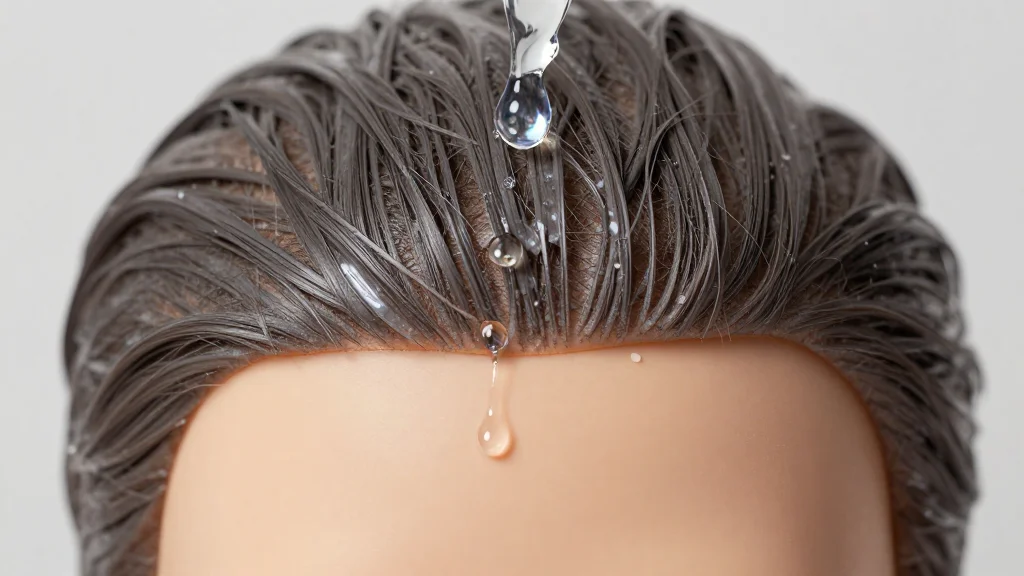
Thermoreversible Biogel May Solve a Hairy Problem for Wearable Brain-Monitoring Systems
Why It Matters
The biogel solves a long‑standing barrier to reliable, long‑term wearable EEG, unlocking higher‑fidelity brain data for medical and immersive‑tech markets. Its adaptable platform may speed development of next‑generation haptic and neuro‑interface devices.
Key Takeaways
- •Thermoreversible biogel flows through hair when heated, solidifies on cooling.
- •Conductivity increased 1,000× while preserving melt‑and‑solidify behavior.
- •Enables stable EEG recordings across hair types for multiple days.
- •Mixing order of ingredients determines gel’s morphology and performance.
- •Platform could accelerate neurohaptic research and immersive VR touch feedback.
Pulse Analysis
Electroencephalography has become a cornerstone for diagnosing neurological disorders and powering emerging brain‑computer interfaces, yet traditional conductive gels falter when users wear devices for extended periods or have dense hair. The new thermoreversible biogel addresses these pain points by turning liquid at temperatures barely above skin level, allowing it to seep through hair follicles before solidifying into a conductive matrix that adheres tightly to the scalp. This dual‑state behavior not only preserves signal integrity over days but also eliminates the drying issue that plagues standard hydrogel adhesives, making it a compelling candidate for next‑generation wearable EEG headsets.
The material’s performance hinges on a carefully engineered recipe: gelatin provides a soft, reversible scaffold; glycerol retains moisture; ionic liquids supply stable ionic conductivity without evaporation; and PEDOT:PSS introduces electronic pathways. Researchers discovered that the sequence in which these components are mixed dramatically reshapes the internal morphology—from isolated conductive droplets to an interconnected network—boosting conductivity by three orders of magnitude while retaining thermoreversibility. This insight underscores the broader principle that processing order can be as critical as composition in bio‑electronic materials, opening avenues for customizing gels for specific signal‑to‑noise requirements.
Beyond clinical EEG, the biogel’s ability to deliver consistent, high‑fidelity brain signals underpins the emerging field of neurohaptics, where objective measurements of touch perception are essential. Stable recordings enable researchers to quantify how artificial haptic feedback is processed, accelerating the development of immersive virtual‑reality experiences, prosthetic limbs with nuanced tactile feedback, and even human‑centric AI that interprets subtle neural cues. As the market for wearable neurotechnology expands, a reusable, hair‑friendly conductive gel could become a standard component, reducing consumable costs and improving user comfort across medical, gaming, and industrial applications.
Thermoreversible biogel may solve a hairy problem for wearable brain-monitoring systems
Comments
Want to join the conversation?
Loading comments...