Why It Matters
Understanding snow flies' molecular cold‑adaptations opens new avenues for bio‑inspired antifreeze technologies and informs ecological predictions as climate patterns shift. The findings also highlight untapped genetic resources for enhancing cold resilience in agriculture and industry.
Key Takeaways
- •Snow flies generate heat at cellular level, staying warmer than ambient
- •Antifreeze proteins in snow flies mirror those found in Arctic fish
- •Engineered fruit flies with snow‑fly antifreeze gene survive freezer exposure
- •Cold‑pain receptor 30× less sensitive, allowing activity below freezing
Pulse Analysis
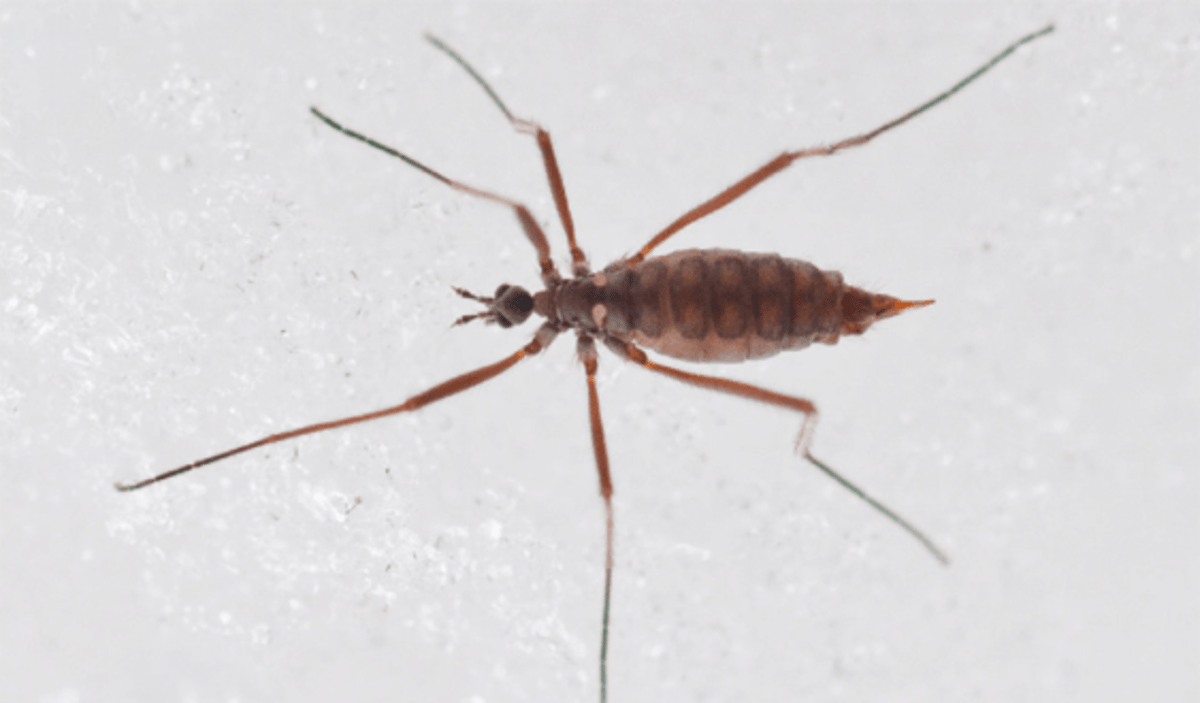
The recent *Current Biology* study shines a spotlight on an extreme insect that defies conventional ectothermic limits. By decoding the genome of *Chionea alexandriana*, scientists identified metabolic pathways that mobilize stored lipids for heat production, a strategy reminiscent of polar bear hibernation. Equally striking are the previously unknown genes that synthesize antifreeze proteins, which bind to nascent ice crystals and prevent their expansion. This dual adaptation—cellular thermogenesis paired with molecular ice inhibition—explains how these flies remain active on snowfields despite sub‑zero temperatures.
Beyond basic science, the snow fly’s antifreeze mechanisms hold promise for biotechnological innovation. The successful transfer of a snow‑fly antifreeze gene into *Drosophila* demonstrated a tangible increase in freezer survival, suggesting that similar genes could be harnessed to protect crops, livestock, or even industrial enzymes from freeze damage. Moreover, the reduced sensitivity of a cold‑pain receptor points to a genetic blueprint for designing organisms that can operate in harsh, low‑temperature environments without the usual sensory penalties. Such insights could accelerate the development of cold‑tolerant bio‑factories and improve the resilience of supply chains in northern latitudes.
In a broader ecological context, the snow fly serves as a sentinel species for climate‑driven habitat change. As warming trends alter alpine and glacial ecosystems, understanding the genetic toolkit that enables survival on ice informs predictive models of species distribution and ecosystem stability. The research also underscores the value of cross‑continental collaboration—uniting expertise from North America, Europe, and Asia—to uncover hidden genetic diversity. Ultimately, these findings expand the frontier of cryobiology and illustrate how even the tiniest organisms can inspire solutions to some of the most pressing challenges in agriculture, industry, and climate adaptation.
These Tiny Flies Survive, Even Thrive on Snow
Comments
Want to join the conversation?
Loading comments...