Companies Mentioned
Why It Matters
If whales cannot fully compensate for escalating acoustic pollution, their social cohesion and foraging efficiency may deteriorate, accelerating the decline of an already vulnerable population. The findings underscore urgent need for maritime noise mitigation to protect marine mammals and preserve biodiversity.
Key Takeaways
- •60,000 vessels generate up to 144 dB noise in Gibraltar Strait
- •Pilot whales raised high‑frequency call volume to offset ship noise
- •Compensation is partial; physiological limits prevent full adaptation
- •Study recorded 1,432 calls from 23 whales over three years
- •Communication breakdown threatens critically endangered pilot whale subpopulation
Pulse Analysis
Marine noise has become a pervasive pollutant, with global shipping traffic now rivaling natural soundscapes. The Strait of Gibraltar, a narrow chokepoint for over 60,000 vessels annually, registers ambient levels as high as 144 dB—comparable to a bustling restaurant. Such acoustic pressure challenges marine mammals that rely on sound for navigation, mating, and predator avoidance. The phenomenon, known as the Lombard effect, describes how organisms raise vocal output to overcome background noise, a behavior well documented in birds and humans but only recently confirmed in cetaceans.
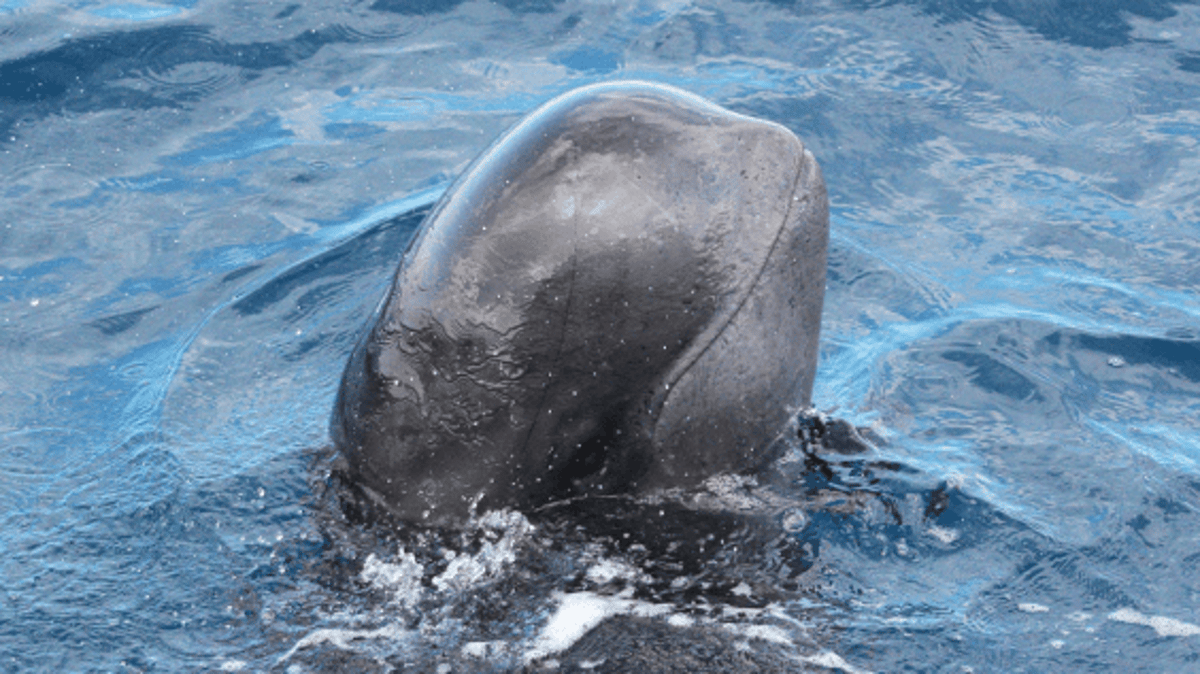
The recent study led by Aarhus University leveraged state‑of‑the‑art suction‑cup tags to capture both acoustic and kinematic data from 23 long‑finned pilot whales. Over three years, researchers logged 1,432 vocalizations, categorizing them by frequency and duration. Findings reveal that whales boost high‑frequency call amplitude in response to ship noise, yet the increase falls short of fully offsetting the acoustic masking. Physiological constraints—such as limited air reserves and the compressive effects of deep dives—cap the maximum sound pressure a whale can produce, meaning the animals are already operating near their vocal ceiling.
The implications extend beyond academic curiosity. Partial compensation jeopardizes the whales' ability to maintain pod cohesion, locate prey, and avoid predators, potentially accelerating the decline of this critically endangered subpopulation. Policymakers and maritime regulators must consider stricter noise‑abatement measures, such as speed reductions, designated quiet zones, or alternative routing, to safeguard marine life. Continued interdisciplinary research will be essential to quantify the long‑term impacts of acoustic stress and to develop effective mitigation strategies that balance economic shipping interests with ocean health.
These Whales Are Screaming in the Strait of Gibraltar
Comments
Want to join the conversation?
Loading comments...