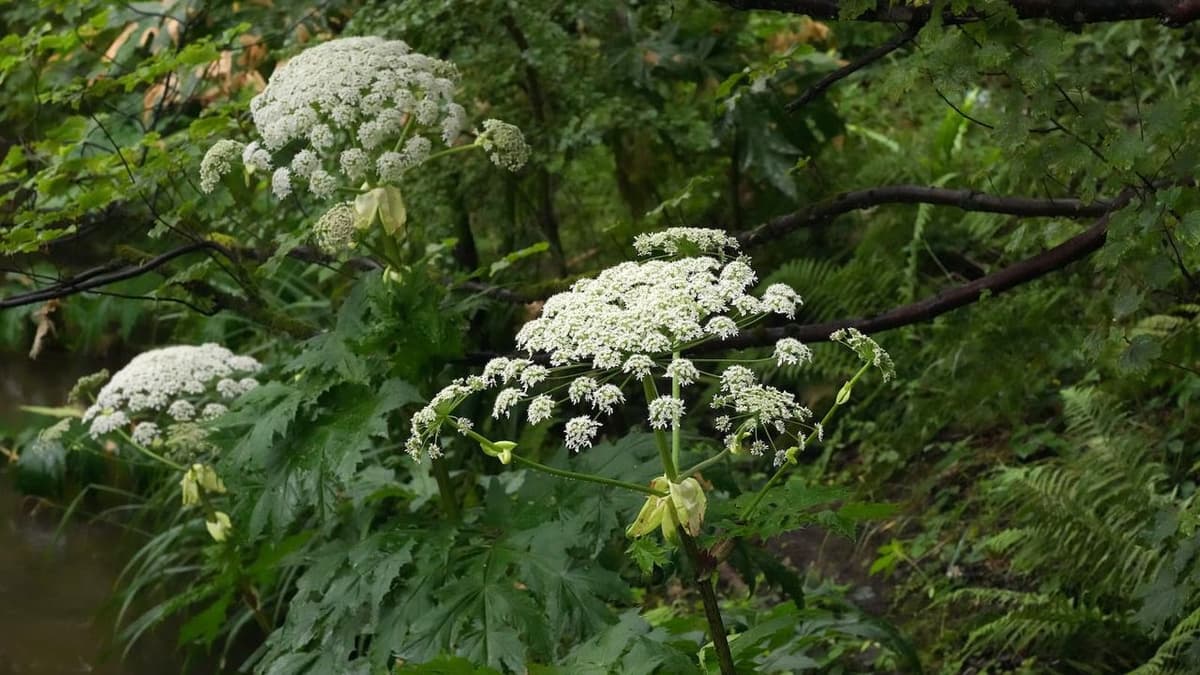
This 15ft Invasive Plant that Produces Toxic Sap Continues to Appear in British Gardens – and It's Coming Into Season Now
Why It Matters
The plant’s rapid growth and phototoxic sap pose a growing public‑health hazard during peak garden‑maintenance season, forcing authorities to tighten safety guidance and encourage professional removal.
Key Takeaways
- •Giant hogweed can reach 15 ft, with toxic sap causing severe burns
- •Peaks in May; early shoots often mistaken for cow parsley
- •Highest sightings along southern England rivers, Midlands, Wales, and urban waterways
- •DEFRA urges protective gear and professional removal for mature plants
Pulse Analysis
Giant hogweed (Heracleum mantegazzianum) has become a headline‑making invasive species in the United Kingdom this spring. Originating from the Caucasus region, the plant thrives in moist, disturbed soils and can survive winter underground, sending up new shoots as temperatures climb. Its ability to out‑compete native flora, combined with a prolific seed bank, means that once established along river corridors it can quickly dominate riparian habitats. The recent surge in sightings reflects both favorable weather patterns and increased public awareness as gardeners clear overgrown beds.
The health implications are stark: the plant’s sap contains furanocoumarins that, when exposed to ultraviolet light, trigger severe blistering and burns. With garden renovation projects peaking in May, the risk of accidental contact spikes, prompting DEFRA to issue targeted advisories. Homeowners are advised to wear long sleeves, gloves, and eye protection, and to avoid handling the plant without specialist training. Misidentification remains a challenge; early growth stages resemble cow parsley, leading to inadvertent exposure. As cases of phototoxic injuries rise, medical professionals are also being briefed on proper treatment protocols.
Managing giant hogweed requires coordinated action between local councils, environmental agencies, and private landowners. DEFRA recommends professional eradication for mature specimens, as improper cutting can disperse seeds and exacerbate the spread. Community‑led monitoring programs, combined with rapid reporting apps, help map infestations and prioritize removal efforts. The broader lesson underscores the need for robust invasive‑species legislation and public education to safeguard both ecosystems and public health from fast‑growing, hazardous plants like giant hogweed.
This 15ft invasive plant that produces toxic sap continues to appear in British gardens – and it's coming into season now
Comments
Want to join the conversation?
Loading comments...