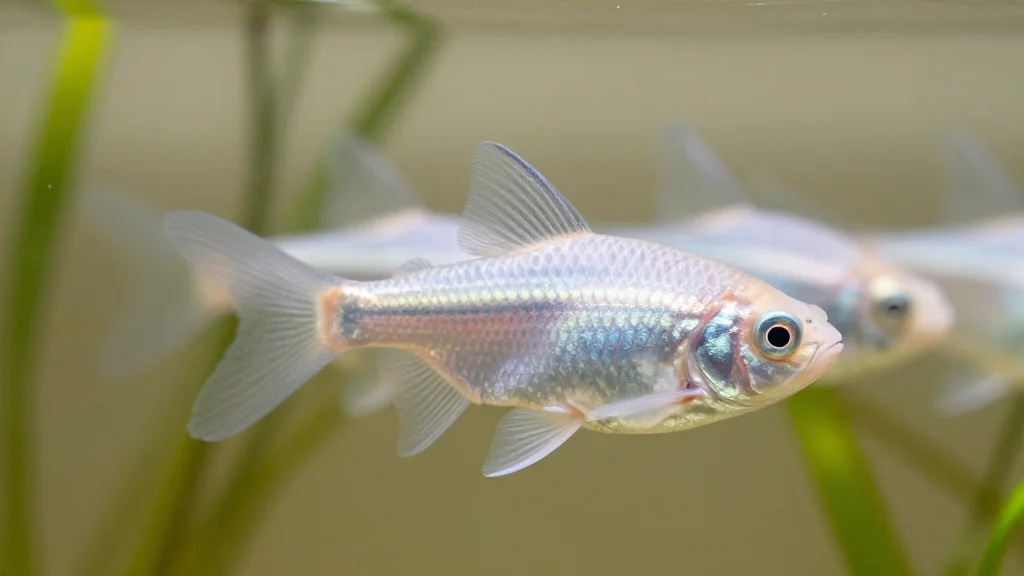
This All-Female Fish Species Reproduces without Sex by Cloning Itself
Why It Matters
The study shows that gene conversion can substitute for sexual recombination, reshaping how scientists view the long‑term viability of asexual organisms and informing conservation and evolutionary research.
Key Takeaways
- •Amazon molly survived 100,000+ years cloning without harmful mutation buildup
- •Gene conversion repairs DNA 10.6 × more often than it propagates errors
- •Sperm triggers embryo development but contributes no genetic material
- •Hybrid origin enabled asexual reproduction while retaining genomic repair mechanisms
Pulse Analysis
The Amazon molly (Poecilia formosa) has long puzzled evolutionary biologists because traditional theory predicts that obligate asexual species should accumulate deleterious mutations and face rapid extinction. By generating chromosome‑level genome assemblies for the molly and its two sexual progenitors, researchers uncovered a molecular safeguard: extensive gene conversion. This process copies intact DNA segments from one chromosome to another, effectively overwriting harmful mutations and mimicking the genetic shuffling normally provided by sexual reproduction.
Gene conversion’s impact is striking— the study reports a 10.6‑fold bias toward restoring the ancestral state of a mutation rather than spreading it. Such a bias creates a dynamic where the genome continuously self‑corrects, granting the clonal population a hidden source of genetic diversity. This diversity, although not derived from new alleles, supplies natural selection with multiple genomic versions to act upon, thereby maintaining fitness across millennia. The mechanism also explains why the Amazon molly can mutate faster than its sexual relatives without suffering the expected mutational load.
Beyond academic intrigue, these insights have broader implications for biotechnology and conservation. Understanding how gene conversion can stabilize asexual genomes may inspire novel genome‑editing strategies that harness natural repair pathways. Moreover, the findings suggest that other long‑lived asexual organisms might possess similar hidden mechanisms, prompting a reevaluation of extinction risk assessments. As climate change reshapes freshwater habitats, recognizing such resilience factors becomes crucial for preserving biodiversity.
This all-female fish species reproduces without sex by cloning itself
Comments
Want to join the conversation?
Loading comments...