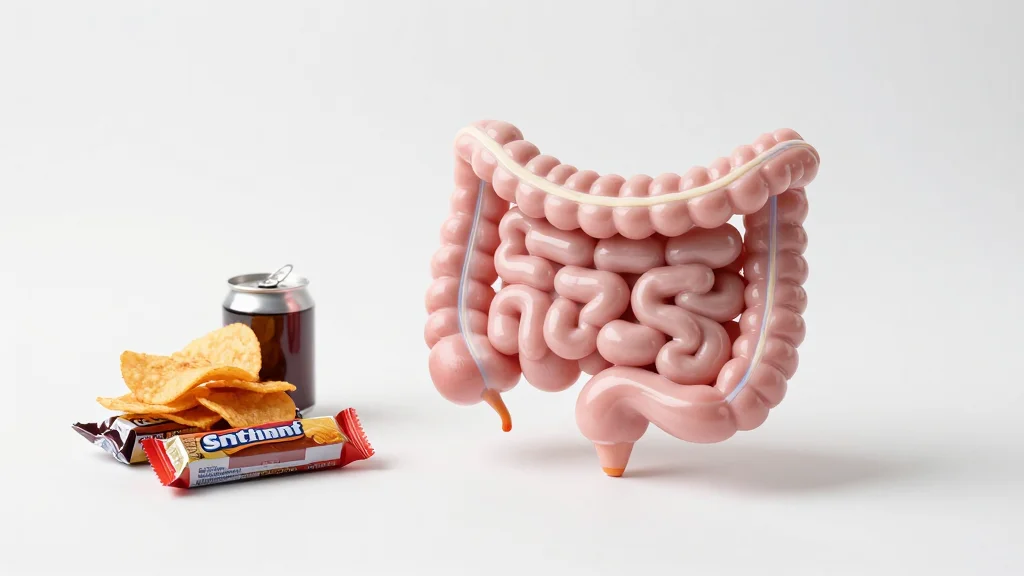
This Common Food Category Is Linked To Higher Crohn’s Disease Risk
Why It Matters
The link highlights diet as a modifiable risk factor for Crohn’s disease, offering clinicians and consumers a tangible strategy to curb disease incidence and severity. It also underscores the potential systemic impact of ultra‑processed foods on overall health.
Key Takeaways
- •Ultra‑processed foods raise Crohn’s disease risk in large studies
- •Emulsifiers and additives can thin mucus and alter gut microbiome
- •Reducing ultra‑processed foods improves remission rates, especially in children
- •Gut barrier damage links diet to broader metabolic and mental health issues
- •Practical swaps: whole foods, read ingredient lists, simple home meals
Pulse Analysis
The global surge in ultra‑processed food consumption has outpaced traditional dietary patterns, coinciding with a sharp rise in inflammatory bowel disease, particularly Crohn’s disease, which now affects roughly five million people worldwide. While genetics account for a portion of susceptibility, the rapid epidemiological shift points to environmental drivers. A comprehensive narrative review published in the journal Nutrients synthesised more than a decade of data, combining large cohort analyses, laboratory experiments, and clinical trials to assess whether processed food intake consistently correlates with disease onset.
Mechanistic studies provide a plausible biological bridge between processed foods and gut inflammation. Common additives such as emulsifiers, artificial sweeteners, and thickeners have been shown to erode the protective mucus layer that lines the intestine, allowing bacteria to make direct contact with epithelial cells. These compounds also shift the composition of the gut microbiome, suppressing beneficial species while promoting pro‑inflammatory strains. The resulting increase in intestinal permeability—often termed ‘leaky gut’—facilitates translocation of bacterial fragments into the bloodstream, triggering chronic immune activation that mirrors the pathology observed in Crohn’s disease.
From a clinical perspective, the evidence translates into actionable dietary guidance. Patients with IBD who adopt low‑ultra‑processed regimens, such as the Crohn’s Disease Exclusion Diet, experience lower flare rates and higher remission odds, with pediatric cohorts showing the most pronounced benefits. Even for the general population, reducing reliance on additive‑laden convenience foods can support a healthier gut barrier and microbiome, potentially lowering the risk of metabolic, immune, and mental health disorders linked to chronic inflammation. Simple steps—prioritising whole ingredients, scrutinising labels, and preparing repeatable home meals—offer a pragmatic path toward gut resilience.
This Common Food Category Is Linked To Higher Crohn’s Disease Risk
Comments
Want to join the conversation?
Loading comments...