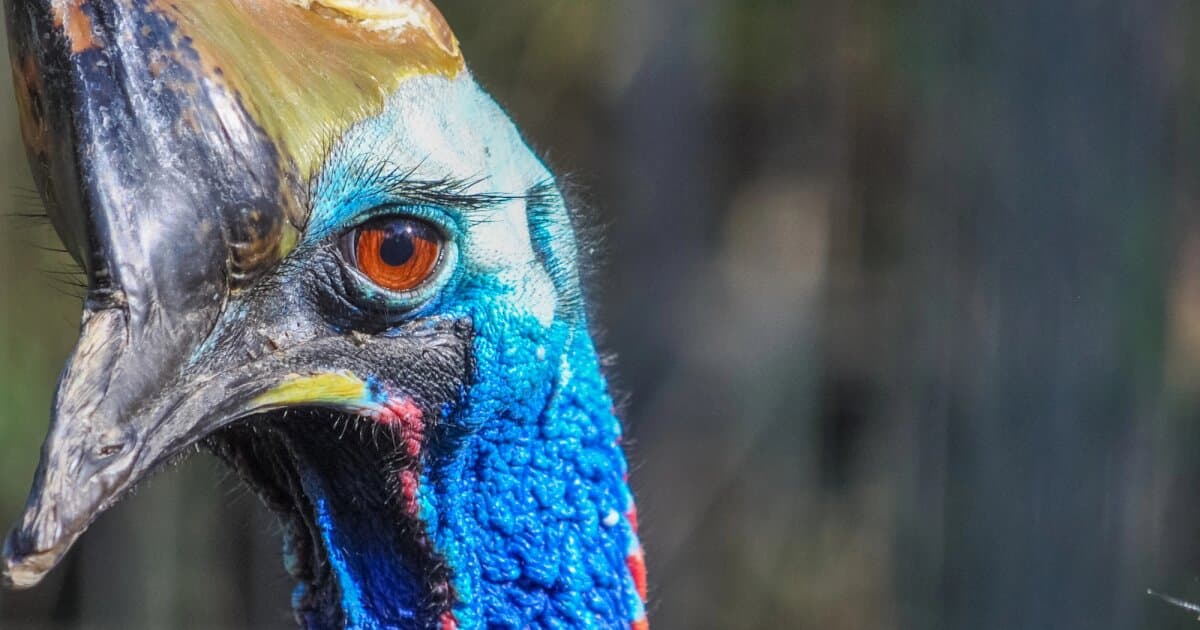
This Dangerous Bird Has a Secret Hiding in Plain Sight
Why It Matters
UV‑based casque patterns offer a novel, non‑invasive method to monitor keystone cassowaries, enhancing conservation and ecological research. Understanding these optical traits could reshape theories about avian communication and evolution.
Key Takeaways
- •Cassowary casques fluoresce under UV, showing species‑specific patterns
- •Southern and northern cassowaries show >90% casque fluorescence
- •Dwarf cassowary exhibits minimal UV fluorescence
- •UV patterns could serve as individual fingerprints for field tracking
Pulse Analysis
Cassowaries, the towering fruit‑eating birds of New Guinea and northeastern Australia, are ecological linchpins that disperse hundreds of rainforest plant seeds. Their iconic casque has long puzzled scientists, spawning theories ranging from weaponry to thermoregulation. The recent discovery that these casques emit vivid ultraviolet fluorescence adds a new layer to the mystery, revealing hidden visual cues invisible to the human eye but potentially perceptible to the birds themselves. This finding aligns cassowaries with other UV‑sensitive avians, suggesting an evolutionary pathway for covert signaling in dense forest habitats.
The study’s nuanced results—showing strong fluorescence in southern and northern cassowaries but near‑absence in dwarf species—hint at divergent evolutionary pressures or ecological roles. Yet the mismatch between fluorescence and UV reflectance indicates that any signaling function is far from straightforward. Researchers now face the challenge of replicating natural canopy lighting conditions to determine whether these patterns influence behavior, mate choice, or territorial disputes. Multidisciplinary collaboration among biologists, optical physicists, and computational analysts will be essential to untangle the molecular mechanisms behind UV reflectivity and assess its ecological relevance.
Beyond academic intrigue, the practical implications are significant. High‑contrast UV patterns could act as natural "fingerprints," enabling researchers to identify individual birds via UV‑sensitive trail cameras or drone‑mounted imaging systems. Such technology would dramatically improve monitoring of these elusive keystone species, informing habitat protection and management strategies. As conservationists grapple with accelerating rainforest loss, leveraging hidden optical signals may become a vital tool for preserving the biodiversity that cassowaries help sustain.
This dangerous bird has a secret hiding in plain sight
Comments
Want to join the conversation?
Loading comments...